
If you’re planning to publish a book in Australia, choosing between self-publishing and traditional publishing is one of the most important decisions you’ll make. Understanding the real advantages, limitations, and risks helps you choose a path that aligns with your goals, not just popular opinion. Understanding the self-publishing workflow is essential for first-time authors, which is why a detailed guide on how to self publish a novel can help you plan every step from manuscript to market.
Why This Decision Matters More Than Ever
Publishing has changed dramatically. Digital platforms, print-on-demand technology, and global distribution have removed many barriers, but they’ve also shifted responsibility onto authors.
How you publish affects:
- Creative control
- Income potential
- Time investment
- Professional credibility
- Long-term career growth
There is no universally “right” choice, only the right choice for your priorities.
Understanding Self-Publishing in the Australian Market
Self-publishing in Australia means the author controls the publishing process while using platforms and services to distribute, print, and sell their book.
This approach allows authors to:
- Retain ownership of rights
- Choose their production team
- Control timelines
- Decide how and where books are sold
However, control also comes with responsibility.
Key Advantages of Self-Publishing in Australia

1. Full Creative and Strategic Control
Self-publishing allows authors to decide:
- Content and structure
- Title and cover direction
- Pricing and formats
- Release schedule
For authors with a strong vision, this autonomy can be empowering.
2. Higher Royalty Potential
Self-published authors typically earn a significantly higher percentage per sale compared to traditional contracts.
This can make self-publishing attractive for:
- Niche genres
- Non-fiction authors
- Business or personal brand books
Higher royalties, however, do not guarantee higher profits.
3. Faster Time to Market
Traditional publishing timelines often span years. Self-publishing can reduce this to weeks or months once the manuscript is ready.
This benefits authors who:
- Want timely releases
- Write trend-based content
- Publish series or multiple titles
4. Ownership of Rights and Audience
Self-published authors retain:
- Intellectual property rights
- Control over future editions
- Direct access to readers
This ownership creates long-term flexibility. For Australian authors navigating platform options and print-on-demand services, learning about Amazon self publishing in Australia clarifies royalty structures, distribution, and strategy.
The Real Challenges and Drawbacks of Self-Publishing

1. Upfront Financial Risk
Self-publishing requires authors to fund:
- Editing
- Cover design
- Formatting
- Marketing
- Distribution setup
Poor budgeting or low-quality production can undermine the book’s success.
2. Discoverability and Visibility Challenges
Without a publisher’s distribution network, visibility relies heavily on:
- Marketing strategy
- Metadata optimisation
- Author platform
- Ongoing promotion
Books do not sell simply because they exist.
3. Quality Control Responsibility
Professional standards matter. Inadequate editing or design can:
- Damage credibility
- Reduce reviews
- Limit sales potential
Readers expect professionally produced books regardless of publishing path.
4. Marketing Becomes the Author’s Job
Self-publishing requires ongoing marketing effort, including:
- Launch planning
- Advertising
- Audience engagement
- Content promotion
For many authors, this is the most underestimated challenge. Maintaining professional quality is critical, so investing in book formatting tips ensures your self-published book meets industry standards and reader expectations.
Self-Publishing vs Traditional Publishing in Australia
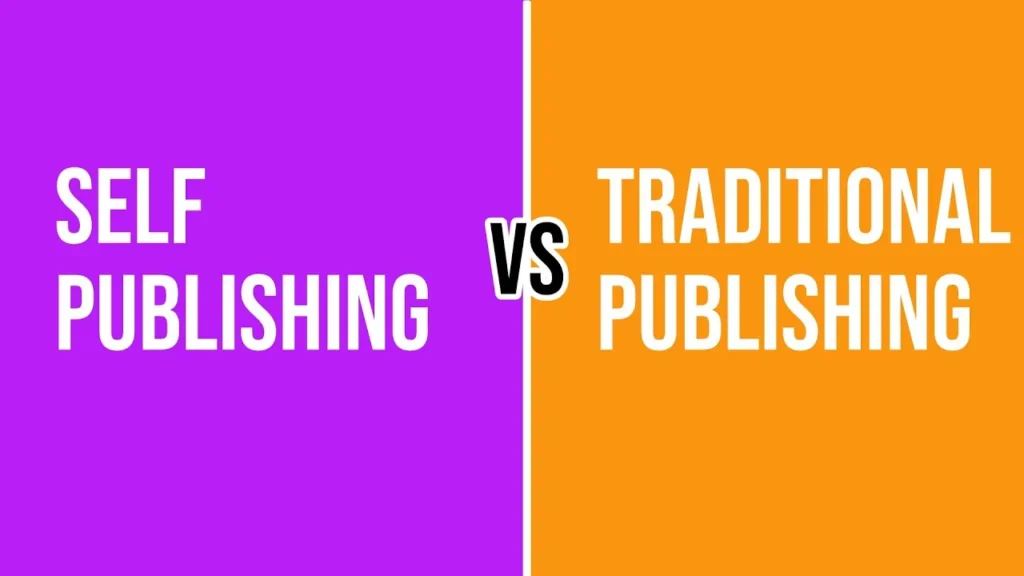
| Aspect | Self-Publishing | Traditional Publishing |
| Control | Author-led | Publisher-led |
| Royalties | Higher percentage | Lower percentage |
| Timeline | Fast | Slow |
| Costs | Author-funded | Publisher-funded |
| Distribution | Platform-based | Established networks |
| Marketing | Author-driven | Publisher-assisted |
Neither model guarantees success, effort and execution matter most.
Is Self-Publishing Worth It for Australian Authors?
Self-publishing is often worth it if you:
- Want creative freedom
- View your book as a long-term asset
- Are willing to invest in quality
- Understand marketing responsibilities
- Prefer ownership over validation
It may not suit authors seeking:
- Minimal involvement
- Guaranteed distribution
- Advance payments
- Industry gatekeeper endorsement
Practical Considerations Before You Publish
Clarify Your Goals
Ask yourself:
- Is this a passion project or commercial product?
- Do I want readers, income, or credibility?
- Am I building a long-term author career?
Budget Realistically
Invest where it matters most:
- Editing
- Cover design
- Professional formatting
Avoid cutting corners that affect reader trust. Even the best-prepared authors benefit from careful proofreading, which protects credibility and ensures professional presentation—details can be found in what is proofreading.
Plan for Distribution and Promotion
Successful self-publishing in Australia requires:
- Print-on-demand strategy
- Online retail presence
- Marketing timelines
- Reader engagement plans
Outcomes Authors Can Expect

When executed well, self-publishing can deliver:
- Sustainable income streams
- Audience ownership
- Creative satisfaction
- Publishing flexibility
- Scalable author careers
When rushed or underfunded, it can lead to frustration and disappointment. If you want your self-published work to reach broader audiences, including institutions, understanding getting your book into Australian libraries helps you prepare professionally and maximise discoverability.
FAQs
Q1. Is self-publishing legal and recognised in Australia?
A. Yes. Self-publishing is fully recognised and widely used by Australian authors across fiction and non-fiction.
Q2. How much does it cost to self-publish a book in Australia?
A. Costs vary widely depending on editing, design, and marketing choices, but quality production requires budgeting.
Q3. Can self-published books be sold in bookstores?
A. Yes, though physical bookstore placement often requires additional effort and promotion.
Q4. Do self-published authors keep their rights?
A. Yes. Authors retain full ownership of intellectual property unless they choose otherwise.
Q5. Is traditional publishing better than self-publishing?
A. Neither is objectively better. Each suits different goals, risk tolerance, and career strategies.
Q6. Can self-publishing lead to traditional deals?
A. Yes. Many authors use self-publishing to build credibility and readership before pursuing traditional contracts.
Conclusion
If you want to publish a book in Australia, understanding both opportunity and responsibility is essential. Self-publishing offers freedom, flexibility, and ownership, but success depends on preparation, quality, and commitment.