
Choosing how your name appears on a book is more than a formality, it’s a strategic decision that affects branding, privacy, and reader perception. Understanding what a pen name is, and whether it fits your goals, helps you build an author identity with confidence from day one. When using a pen name, managing your public author identity correctly through Amazon Author Central for authors is essential for credibility, discoverability, and reader trust.
This guide breaks down the realities, benefits, risks, and real-world considerations behind using a pen name as an author.
What Is a Pen Name?
A pen name is a name an author uses publicly instead of their legal name when publishing written work. It can be completely fictional, partially adapted, or a variation of a real name.
Pen names are also known as:
- Pseudonyms
- Author aliases
- Nom de plume
While readers see only the pen name, publishing platforms, tax authorities, and payment processors still require the author’s real identity behind the scenes.
Pen Name vs Real Name: What’s the Actual Difference?
The difference isn’t just personal, it’s strategic.
Writing under your real name connects your personal identity directly to your work. Writing under a pen name creates a separate public-facing author brand.
The choice affects:
- How readers perceive you
- How easily your books are discovered
- How you market across platforms
- How you manage multiple genres
Why the Question “Should You Use a Pen Name?” Matters So Much
Many first-time authors underestimate how permanent this decision can feel once books are published.
Changing names later can:
- Confuse readers
- Split reviews and sales history
- Weaken search visibility
That’s why deciding early, and strategically, is critical. Authors writing across multiple categories often rely on pen names to separate audiences, especially when working within different genres of books that carry very different reader expectations.
Common Reasons Authors Choose a Pen Name
Privacy and Personal Boundaries
Some authors prefer to keep their writing separate from professional, family, or personal life. A pen name creates emotional and psychological distance while still allowing creative freedom.
Genre Separation
Authors writing in very different genres often use separate pen names to avoid confusing readers. A romance audience has different expectations than a thriller or non-fiction audience.
Brand Positioning
A name can signal genre, tone, and target audience. Certain names feel more suited to specific markets or reader demographics.
Starting Fresh
Authors who previously published books that no longer represent their work may choose a pen name to relaunch with a clean slate.
Market Perception
In some niches, readers have subconscious expectations tied to author names, even if they don’t realise it. Pen names can help align with market norms without changing the content itself.
When Using a Pen Name May Not Be the Best Choice
You’re Building a Personal Authority Brand
Non-fiction authors who rely on credibility, speaking engagements, or professional expertise often benefit from using their real name.
You Want Simplicity
Managing multiple author names means extra work — websites, mailing lists, advertising accounts, and branding assets.
You Already Have an Established Audience
Switching names can mean rebuilding trust and recognition from scratch.
Pen Names and Self-Publishing Platforms
For self-published authors, pen names are common and fully supported across major platforms.
However, authors must understand:
- Author name vs account name differences
- Metadata consistency
- Reader-facing branding vs backend identity
Your pen name appears on book covers, product listings, and author pages, but payments and legal records remain tied to your real identity. Understanding how self-publishing platforms handle author names, metadata, and branding helps prevent inconsistencies when publishing under a pen name.
Choosing a Pen Name: Strategic Considerations
Think Long-Term
Ask yourself:
- Will this name still fit in five years?
- Can it grow with my catalogue?
- Does it limit future genre expansion?
Check Availability
Before committing:
- Search online bookstores
- Check domain availability
- Review social media handles
Consistency improves discoverability.
Match Reader Expectations
Your pen name should align with:
- Genre tone
- Target audience
- Market positioning
Names subtly communicate more than most authors realise.
Legal and Financial Considerations
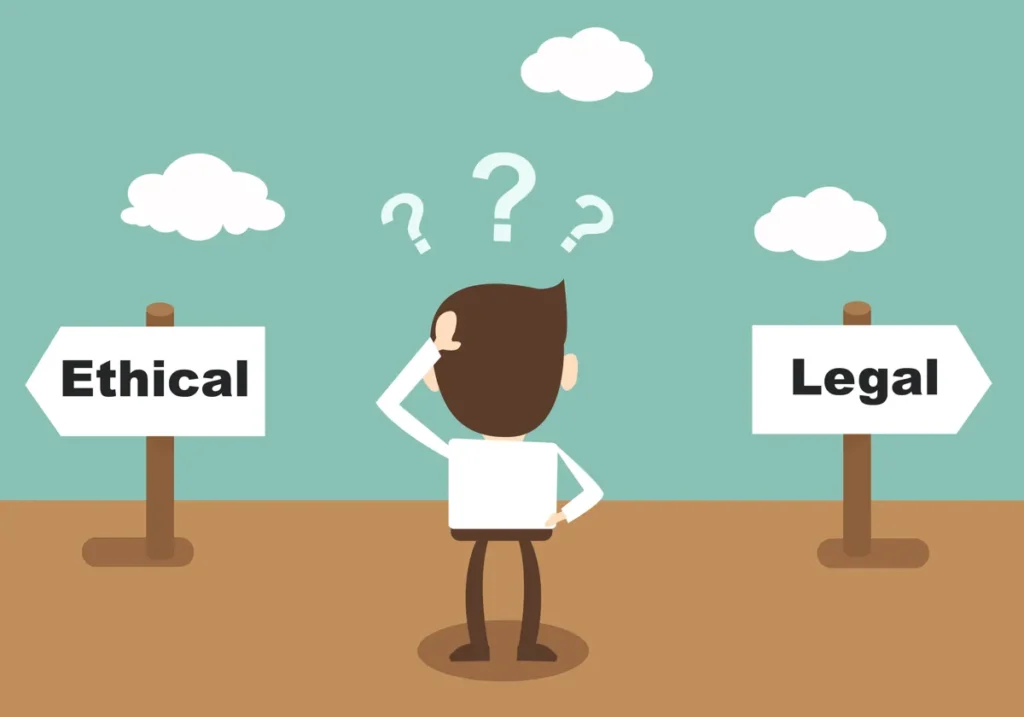
Using a pen name does not remove legal responsibility.
Authors still need to:
- Declare income under their legal name
- Sign contracts using real identity
- Comply with tax regulations
Some authors register business names or publishing imprints to manage this cleanly.
Marketing and Branding With a Pen Name
A pen name is not just a name, it’s a brand.
Successful pen name marketing includes:
- Consistent author voice
- Clear genre positioning
- Unified visual identity
- Strategic reader communication
Readers don’t need to know your real name, they need to trust your author brand.
Pen Names for Fiction vs Non-Fiction Authors
Fiction Authors
Pen names are widely accepted and often expected, especially in genre fiction.
Non-Fiction Authors
Real names often perform better when authority, credentials, or expertise are central to the book’s value. Because a pen name is part of an overall brand, professional book cover design for authors plays a key role in reinforcing genre signals and reader perception.
What Most New Authors Get Wrong About Pen Names
- Treating it as a cosmetic choice
- Ignoring long-term branding impact
- Underestimating administrative workload
- Choosing names without market research
A pen name should support your publishing goals, not complicate them.
FAQs
Q1. What is a pen name in simple terms?
A. A pen name is a name an author uses publicly instead of their legal name when publishing books.
Q2. Is a pen name the same as a pseudonym?
A. Yes. The terms are interchangeable and mean the same thing in publishing.
Q3. Should first-time authors use a pen name?
A. It depends on goals, genre, privacy needs, and branding strategy.
Q4. Can I use multiple pen names?
A. Yes, but each one requires separate branding and marketing effort.
Q5. Are pen names legal?
A. Yes. Pen names are legal as long as real identity is used for contracts and taxes.
Q6. Do pen names affect book sales?
A. Indirectly. A well-chosen pen name can improve genre alignment and reader trust.
Conclusion
Choosing whether to write under a pen name isn’t about hiding, it’s about positioning. The right decision supports your creative freedom, marketing clarity, and long-term success as an author.
Decide thoughtfully and start building your author brand today!