

Australian libraries remain one of the most trusted discovery channels for books. For authors seeking long-term visibility, credibility, and reader access, understanding how library distribution works is essential, especially when working with suppliers like Peter Pal. Because libraries prioritise quality and professionalism, having a clear grasp of what proofreading is and why it matters directly supports acquisition success by reducing rejection caused by credibility and presentation issues.
This guide explains how authors can position their books for library acquisition in Australia with clarity and confidence.
Why Library Distribution Still Matters for Australian Authors
Libraries serve millions of readers every year across public, educational, and institutional networks. Being listed in library catalogues:
- Extends a book’s lifespan
- Builds author credibility
- Reaches readers beyond retail platforms
Library discovery is slow but powerful. For many authors, it becomes a steady visibility engine rather than a short-term sales spike.
How Australian Libraries Acquire Books
Libraries do not purchase books the same way individual readers do.
Instead, they rely on:
- Approved library suppliers
- Centralised acquisition systems
- Professional cataloguing standards
This is where Australian library suppliers play a critical role.
Understanding the Role of Peter Pal Library Supplier
Peter Pal is a long-established Australian library supplier working with:
- Public libraries
- School libraries
- Educational institutions
Rather than acting as a retailer, Peter Pal functions as an intermediary that:
- Sources suitable titles
- Manages processing and cataloguing
- Ensures books meet library standards
For authors, this means the supplier becomes a gateway, not a guarantee. Interior presentation is another decisive factor, and following proven book formatting tips helps ensure your book meets the technical and readability standards expected by Australian libraries and their suppliers.
What Libraries Look for Before Approving a Book
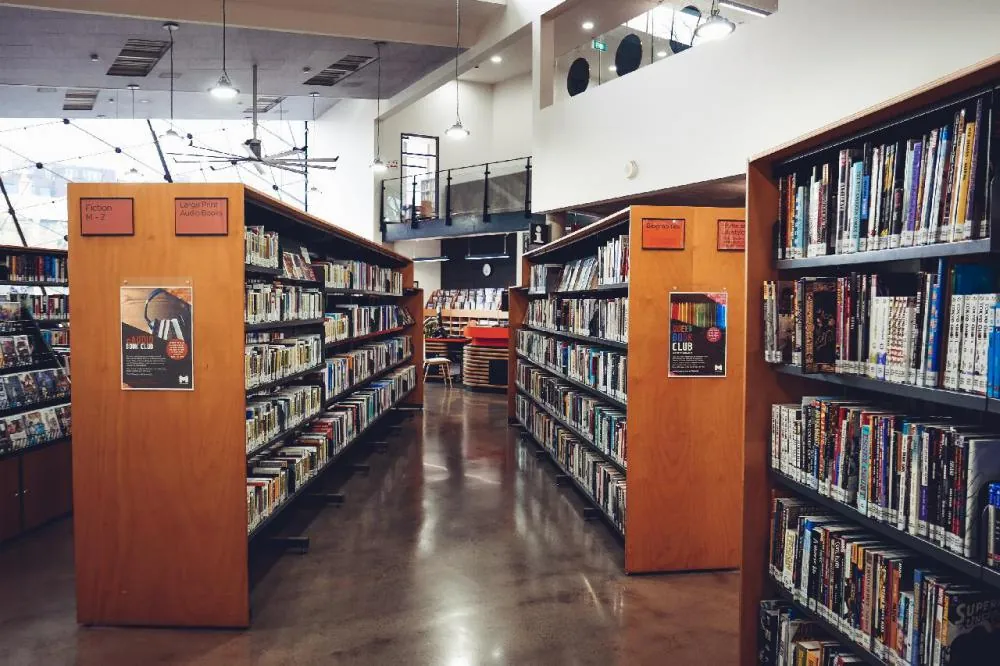
Libraries evaluate books using professional criteria, not marketing hype.
Key considerations include:
- Content relevance
- Production quality
- Binding durability
- Metadata accuracy
- Supplier availability
Books that fail on technical or presentation standards are often rejected before content is even reviewed.
Preparing Your Book for Australian Library Distribution
Professional Editing and Proofreading
Libraries prioritise quality. Errors undermine credibility and acquisition confidence.
Library-Ready Formatting
Interior layout must support:
- Clear margins
- Readability
- Standard trim sizes
Durable Print Specifications
Paperback is acceptable, but:
- Strong binding
- Non-spiral formats
- Shelf-friendly spines
increase approval likelihood. Many authors approaching library distribution are publishing independently, making it important to understand how Amazon self-publishing in Australia intersects with library expectations, print quality, and supplier compatibility.
Metadata and Cataloguing: The Silent Gatekeeper
Libraries rely heavily on metadata to classify and locate books.
Essential metadata includes:
- ISBN
- BISAC or subject classifications
- Author information
- Publication details
Suppliers like Peter Pal use this data to integrate books into library systems.
How Self-Published Books Fit into Australian Libraries
Self-published books are not excluded, but they are scrutinised.
Libraries assess:
- Professional presentation
- Supplier availability
- Demand relevance
Working with recognised suppliers helps bridge the trust gap.
Wholesale Pricing and Library Expectations
Libraries do not purchase at retail price.
Common expectations include:
- Wholesale discounts
- Supplier-set pricing structures
- Return policies
Understanding these expectations early prevents rejection due to commercial misalignment.
Legal Deposit and National Library Requirements

Australian authors must comply with legal deposit obligations.
This ensures:
- National preservation
- Archival access
- Cultural record inclusion
Legal deposit is mandatory and separate from library acquisition.
Library Outreach: Supporting the Acquisition Process
While suppliers handle logistics, authors can support acquisition by:
- Building local relevance
- Engaging with community libraries
- Demonstrating reader interest
Libraries are more receptive to books that already show engagement. Library placement also strengthens professional credibility, particularly for authors aligned with industry standards, and understanding the role of the Australian Society of Authors helps contextualise how institutional recognition fits into a sustainable writing career.
Common Mistakes Authors Make With Library Submissions
- Submitting retail-only editions
- Ignoring cataloguing requirements
- Assuming quality alone ensures approval
- Overlooking supplier alignment
Avoiding these mistakes increases success probability.
Expected Outcomes of Library Placement

When done correctly, library distribution delivers:
- Long-term discoverability
- Reader trust
- Institutional credibility
- Lending rights compensation
It is a slow-burn strategy with lasting value.
FAQs
Q1. What is the role of Peter Pal in Australian library distribution?
A. Peter Pal supplies, processes, and catalogues books for Australian libraries and schools.
Q2. Can self-published authors work with library suppliers?
A. Yes, provided the book meets professional and technical standards.
Q3. Do libraries accept print-on-demand books?
A. Some do, if quality and binding meet durability requirements.
Q4. Is getting into libraries guaranteed?
A. No. Approval depends on suitability, quality, and demand.
Q5. Do authors need to contact libraries directly?
A. Suppliers manage acquisition, but author outreach can support interest.
Q6. Does library placement increase book sales?
A. Indirectly, through exposure, credibility, and reader discovery.
Final Thoughts
Getting your book into Australian libraries is a strategic process, not a chance outcome. With professional preparation, correct metadata, and supplier alignment, library placement becomes a powerful long-term visibility asset for serious authors.