Introduction
Publishing a book is a major achievement, but growing your visibility comes next for Australian authors. Media exposure through newspapers, podcasts, TV, and niche blogs can boost your author brand and book sales. “This guide outlines how to secure media coverage for authors in Australia, from preparing assets to pitching and building lasting press relationships.”
Why Media Coverage Matters for Australian Authors

Media features can be transformational for authors. Not only do they amplify your visibility, but they also help you stand out in an increasingly competitive marketplace.
1. Builds Credibility and Trust
Media coverage acts as third party validation. When respected publications feature your work, readers see you as credible, authoritative, and trustworthy.
2. Drives Book Sales
A single feature in a major outlet such as ABC, The Sydney Morning Herald, The Age, or even leading podcasts can generate a significant sales spike.
3. Reaches New Audiences
You gain access to readers who might never find your book through Amazon, social media, or word of mouth alone.
4. Positions You as an Expert
Whether you write fiction or nonfiction, media exposure enhances your professional profile, especially if you plan to build a long term author career.
Prepare Your Media Assets

Before you approach the media, you must have your professional assets ready. This preparation increases your chances of impressing journalists and securing interviews.
Author Bio
Create a polished short (50–80 words) and long (150–250 words) bio.
Include:
-
Your background
-
Book genre
-
Any relevant expertise
-
What inspired your book
“A strong author bio instantly positions you as credible.”
Professional Author Photo
A high quality headshot is essential. Media outlets prefer well lit, professional images.
Book Cover Image
Ensure your book cover is
-
High resolution
-
Professionally designed
-
Ready to be included in press materials
Press Release (Essential)
Your press release should include
-
A compelling headline
-
A book summary
-
What makes your story unique
-
Quotes from you
-
Links to purchase
-
Contact information
Media Kit
Bundle everything into one professional PDF or online folder.
A media kit should include
-
Author bio
-
Book synopsis
-
High quality author photo
-
Book cover
-
Press release
-
Contact details
-
Links (website, social media, Amazon)
A professional media kit shows journalists that you are prepared and serious.
Define Your Media Angle
Journalists aren’t looking to promote your book; they’re looking for stories. That means your pitch must have a unique and newsworthy angle.
Example Angles for Fiction Authors

-
Themes explored in your novel (trauma, identity, diversity, romance, climate change)
-
Real life events that inspired your story
-
Personal challenges that shaped your writing journey
-
Unique writing processes or research
Example Angles for Nonfiction Authors
-
Alarming statistics that relate to your book
-
Your expertise and why your insights matter
-
Current Australian events linked to your topic
-
Personal transformation stories
Story Angles That Work Well in Australia
-
Australian culture, identity, or history
-
Regional stories (e.g., rural writing journeys)
-
Diversity, inclusion, and representation
-
Mental health and wellbeing
-
Climate issues
-
Small business and entrepreneurship
Remember: Media coverage is won through storytelling, not promotion.
Identify the Right Media Outlets
Not all media is equal. Targeting the right outlets increases your chances of success.
Newspapers
-
The Sydney Morning Herald
-
The Age
-
The Australian
-
Brisbane Times
-
The Daily Telegraph
-
Local council newspapers
Magazines
-
Good Weekend
-
Australian Women’s Weekly
-
Better Reading
-
Books Publishing
TV Outlets
-
ABC News
-
Sunrise (Channel 7)
-
Today Show (Channel 9)
-
The Project (Channel 10)
Radio
-
ABC Radio National
-
Triple J
-
Local community radio stations
-
2GB / 3AW
Podcasts (Huge for Authors)
-
Writing community podcasts
-
Genre specific podcasts
-
Author interview series
-
Australian entrepreneurship and lifestyle podcasts
Online Media
-
News.com.au
-
Guardian Australia
-
SBS Voices
-
Mammalia
-
Book blogs
-
Literary review sites
Local Media (Most Overlooked)
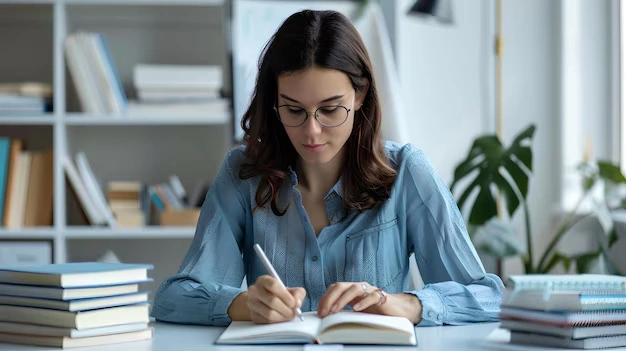
Local newspapers and radio stations LOVE featuring local authors.
They are often the easiest outlets to break into and can build momentum for larger features.
Write a Compelling Media Pitch
Your pitch is your first impression. Keep it short, personalized, and impactful.
Make Sure Your Pitch Includes
-
A personalized greeting
-
Who you are
-
Your book title
-
Why your story is relevant NOW
-
A newsworthy hook
-
Links to your media kit
-
A clear call to action (CTA)
Winning Pitch Example
Subject: Local Brisbane Author Explores Mental Health in New YA Novel
Hi [Journalist Name],
I’m Shehla, a Brisbane-based author who has just released a YA novel addressing anxiety and resilience among Australian teens. With recent statistics showing youth mental health challenges on the rise, I believe this topic may resonate with your readers.
My book Hidden Light was inspired by real experiences from my work with young people, and I’d love to share insights into how fiction can help teens navigate real-life struggles.
Here is my media kit with more details: [link].
Would you be interested in an interview or a feature?
Kind regards,
[Name + Contact Details]
Keep your pitch clear, concise, and value driven.
Follow Up (Professionally)
Journalists receive hundreds of emails a day. If you don’t hear back
Follow up after 5–7 days, and simply say
Hi [Name],
I’m following up on my previous email about my new book.
Would you be interested in a short interview or feature?Thanks!
[Signature]
Do not spam, guilt trip, or send long follow ups.
Build Relationships With Journalists and Media Producers

Media success grows with consistent networking.
How to Build Relationships
-
Connect on LinkedIn
-
Follow journalists on X (Twitter)
-
Leave thoughtful comments on their posts.
-
Share their articles
-
Send a thank you message after a feature.
A positive relationship means future coverage becomes easier and more frequent.
Leverage Social Media for Media Features
Social media can help attract journalists and elevate your visibility.
Platforms to Use
-
“Platforms to Use include LinkedIn for authors, Instagram for romance and YA writers, and TikTok (#BookTok) for fiction authors.”
-
Facebook Groups, connect with Australian readers.
-
YouTube shares behind the scenes content.
You can also share
-
Behind the scenes, writing stories
-
Book launch updates
-
Personal or relatable content
Media often discovers authors through social media trends.
Use PR and Media Platforms
“There are PR and media platforms that connect authors with journalists.”
Australian Platforms
-
Source Bottle (excellent for authors)
-
Media Connections
-
Muckrake (international but helpful)
Global Platforms
-
HARO (Help a Reporter Out)
-
Quoted
Respond to journalist requests quickly and professionally.
Contact Book Bloggers and Book Influencers
Bloggers and influencers are part of today’s media ecosystem.
Where to Find Influencers
-
Instagram
-
TikTok (#BookTokAustralia)
-
YouTube (BookTube Australia)
-
Goodreads groups
-
Book review blogs
-
Local librarian networks
Many bloggers are open to:
-
Author interviews
-
Book reviews
-
Cover reveals
-
Guest posts
Be respectful of their time and guidelines.
Make Yourself Easy to Feature
Journalists are busy. Make their job simple.
Tips
-
Provide quotes they can use
-
Share data and research
-
Keep answers short and sharp
-
Reply quickly to emails
-
Provide high quality images
When you make media coverage easy, they are more likely to feature you again.
Promote Every Media Feature
Once you’re featured
-
Share on your website
-
Post on social media
-
Add to your Amazon Author Central
-
Include in your newsletter
-
Add logos to your author bio (“As seen on ABC…”)
This builds long term credibility.
Continue Building Momentum

Media visibility compounds. You can continue to grow by
-
Pitching again when you publish future books
-
Commenting on trending topics as an expert
-
Offering yourself for podcast interviews
-
Building an online presence
Consistency is key.
FAQs: How to Get Featured in the Media After Book Writing in Australia
Q 1. How can Australian authors get media coverage for their new book?
A. Australian authors can get media coverage by preparing a professional media kit, identifying relevant media outlets, crafting personalized pitches, and offering unique story angles that align with current trends or local Australian interests.
Q 2. What is the best way to pitch journalists about my book?
The best approach is to send a short, personalized pitch that highlights who you are, what your book is about, and why your story is newsworthy. Include a press release, your media kit, and a clear reason why the topic matters to their audience.
Q 3. Do Australian media outlets feature self-published authors?
Yes. Many Australian media outlets including podcasts, blogs, newspapers, and local radio regularly feature self-published authors, especially when the author presents a compelling human interest angle or expertise related to the book’s topic.
Q 4. How important is a press release for getting media attention?
A well written press release is essential because it gives journalists all the key information they need. It highlights your book’s purpose, your unique angle, relevant quotes, and your contact details making it easier for media to feature your story.
Q 5. Can social media help authors attract Australian media attention?
Absolutely. Platforms like Instagram, LinkedIn, TikTok, and X (Twitter) help you build visibility. Many journalists discover authors through online engagement, trending topics, and viral posts, which can lead directly to interview requests and media invitations.