
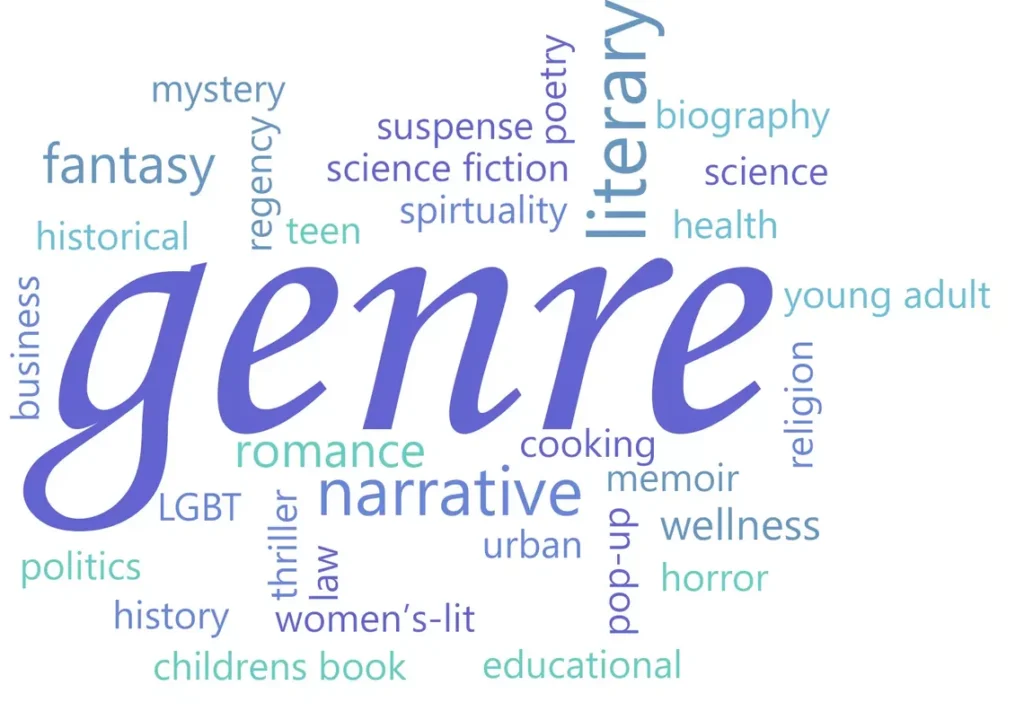
Books open doors to ideas, worlds, and perspectives, but finding the right one often starts with understanding genres. Knowing the different genres of books helps readers choose stories that resonate, challenge, and entertain in meaningful ways. Many Australian book shops organise their shelves by genre, making it easier for readers to browse confidently and uncover titles that match their interests.
Whether you’re a lifelong reader or just getting started, this guide brings clarity to the most popular genres and how they shape your reading experience.
Why Book Genres Matter More Than You Think
Genres aren’t labels for convenience alone, they are pathways. They help readers identify tone, structure, and expectations before turning the first page.
Understanding book genres allows readers to:
- Choose books aligned with their interests
- Discover new styles of storytelling
- Avoid disappointment from mismatched expectations
- Explore unfamiliar themes with confidence
Genres also help bookstores, libraries, and online platforms connect readers with books they’ll genuinely enjoy.
The Two Core Genre Categories: Fiction and Non-Fiction
Before exploring individual genres, it’s important to understand the two primary genre categories in books.
Fiction
Fiction books tell imagined stories, even when inspired by real events. They focus on narrative, character, and emotional engagement.
Non-Fiction
Non-fiction books are grounded in facts, real experiences, and practical knowledge. Their goal is to inform, explain, or teach.
Every genre fits within one of these foundational categories. Independent stores like The Hobart Bookshop showcase how thoughtful genre curation can guide readers toward meaningful and memorable book discoveries.
Popular Fiction Book Genres Explained
Literary Fiction
Literary fiction prioritises depth, language, and character development over fast-paced plots. These books often explore complex human experiences and social themes.
Best for readers who enjoy: Thought-provoking narratives and emotional nuance.
Romance
Romance focuses on relationships and emotional connection, typically with an uplifting or hopeful resolution. It remains one of the bestselling book genres worldwide.
Best for readers who enjoy: Emotional journeys and character-driven stories.
Fantasy
Fantasy introduces imagined worlds, magic systems, and mythical creatures. These books often explore timeless themes like power, morality, and identity.
Best for readers who enjoy: Escapism and expansive world-building.
Science Fiction
Science fiction examines future possibilities, technology, and scientific concepts. It often explores ethical questions about humanity’s progress.
Best for readers who enjoy: Big ideas and speculative thinking.
Mystery
Mystery stories centre around solving a puzzle, crime, or unanswered question. Readers follow clues alongside the protagonist.
Best for readers who enjoy: Logic, suspense, and problem-solving.
Thriller
Thrillers are fast-paced and tension-driven, designed to keep readers on edge. Stakes are high, and momentum rarely slows.
Best for readers who enjoy: Adrenaline and high suspense.
Horror
Horror aims to evoke fear, dread, or unease. These books explore the darker sides of human experience or the unknown.
Best for readers who enjoy: Psychological intensity and emotional impact.
Historical Fiction
Historical fiction blends fictional narratives with real historical settings, allowing readers to experience the past through story.
Best for readers who enjoy: History with emotional depth.
Young Adult (YA)
YA books focus on adolescent protagonists and themes of identity, growth, and belonging. They appeal to both teens and adults.
Best for readers who enjoy: Emotional storytelling and coming-of-age narratives.
Popular Non-Fiction Book Genres Explained
Biography and Memoir
These genres tell real-life stories, offering insight into personal experiences, achievements, and challenges.
Best for readers who enjoy: Real human stories and inspiration.
Self-Help and Personal Development
Self-help books provide strategies for improving mindset, habits, and life skills.
Best for readers who enjoy: Practical advice and motivation.
Business and Finance
These books focus on entrepreneurship, leadership, economics, and professional growth.
Best for readers who enjoy: Learning skills for career or financial success.
History
History books explore real events, cultures, and movements that shaped the world.
Best for readers who enjoy: Context, analysis, and understanding the past.
Health and Wellness
This genre addresses physical, mental, and emotional wellbeing.
Best for readers who enjoy: Evidence-based guidance for healthier living. Online visibility depends heavily on accurate genre placement, which is why authors using self-publishing platforms must understand genre categories to reach the right readers.
How Genres Help Readers Find the Right Books

Genres act as filters in an increasingly crowded reading landscape. They allow readers to:
- Narrow choices efficiently
- Explore similar authors and styles
- Build reading lists aligned with mood and goals
Understanding genre classification also helps readers recognise hybrid genres, where elements overlap, such as romantic fantasy or historical mystery.
Choosing the Right Genre for You
If you’re unsure where to start, consider:
- What emotions you want to feel while reading
- Whether you prefer real stories or imagined worlds
- How much mental effort you want to invest
- Your reading pace and attention span
Trying a new genre can reignite your love of reading and expand your perspective.
Why Genre Knowledge Improves Reading Satisfaction
Readers who understand genres tend to:
- Finish more books
- Feel more confident in book choices
- Discover authors they love faster
- Avoid reading fatigue
Genres don’t limit choice, they empower it. On digital marketplaces, effective Amazon KDP book keyword and category research ensures books appear in the genres readers are actively searching.
FAQs
Q1. What are the main different genres of books?
A. The main genres include fiction and non-fiction, with many subgenres such as fantasy, romance, mystery, biography, and self-help.
Q2. What is the most popular book genre?
A. Romance consistently ranks as one of the most popular and bestselling book genres worldwide.
Q3. How many book genres are there?
A. There is no fixed number. Genres continue to evolve, with new subgenres emerging regularly.
Q4. What genre should I read if I’m new to reading?
A. Many new readers enjoy mystery, young adult, or contemporary fiction due to their accessible pacing.
Q5. Can a book belong to more than one genre?
A. Yes. Many books blend genres, such as fantasy romance or historical thrillers.
Q6. Why do bookstores organise books by genre?
A. Genre organisation helps readers discover books that match their interests quickly and easily.
Conclusion
Understanding book genres empowers readers to make informed choices, discover new worlds, and enjoy stories that truly resonate. By exploring different genres, you can expand your perspective and enrich your reading journey. Start your next literary adventure today, explore a genre you’ve never tried before!