fiestacontentsolutions.com

book

Professional Proofreading & Editing Services
book

Professional Proofreading & Editing Services for Authors

A strong story deserves clear, confident execution. Professional proofreading and editing services transform raw manuscripts into polished, publication-ready books that readers trust, recommend, and review positively. Professional editing is especially important when using self-publishing platforms to ensure your manuscript meets market standards and reader expectations. Whether you’re self-publishing or preparing a submission, expert editing is not an optional step, it’s what elevates your work to professional standard. Why Professional Editing Matters More Than Authors Expect Readers notice quality immediately. Clarity, flow, and consistency shape how your book is experienced long before the story or message fully unfolds. Professional book editing services help ensure that: Your ideas are expressed clearly Your voice remains intact Errors never distract readers The book meets industry expectations Editing protects your reputation as an author and directly impacts how your book is received. Editing Is Not One Service, It’s a Process Every manuscript is different. The right editorial approach depends on your genre, goals, experience level, and publishing path. The Four Core Levels of Book Editing Each level addresses a different problem, and skipping the right one often leads to disappointing results. Developmental Editing: Strengthening the Foundation   Developmental editing focuses on the big picture. What It Addresses Structure and organisation Plot or argument logic Pacing and flow Character development (fiction) Message clarity (non-fiction) Who Needs It First-time authors Complex narratives or ideas Books with structural uncertainty This stage provides guidance, not rewriting. You remain the author, the editor acts as a strategic partner. Line Editing: Refining Voice and Flow Line editing works at the paragraph and sentence level to enhance readability. Key Focus Areas Tone consistency Sentence rhythm Word choice Clarity without oversimplification Line editing improves how the book feels to read, ensuring your voice sounds intentional and polished. Pairing expert editing with strong book cover design for authors enhances first impressions and encourages readers to engage with your story. Copy Editing: Accuracy, Consistency, and Precision Copy editing services correct the technical aspects of writing while improving clarity. What Copy Editing Covers Grammar, punctuation, spelling Consistency in style and terminology Dialogue formatting Timeline accuracy Language mechanics This stage ensures professionalism and prevents reader frustration. Proofreading Services: The Final Quality Check Proofreading is the last safeguard before publication. Proofreading Catches Typographical errors Formatting inconsistencies Missed punctuation issues Minor spacing or layout problems Professional proofreading services are essential before uploading to Amazon, IngramSpark, or print platforms. Editing for Fiction vs Non-Fiction Books Fiction Book Editing Focuses on: Character depth Dialogue authenticity Narrative pacing Emotional engagement Non-Fiction Book Editing Emphasises: Logical flow Authority and credibility Reader comprehension Clear takeaways Each genre requires a tailored editorial approach. Investing in professional editing is a key component of overall self-publishing cost planning, ensuring quality without unnecessary expense. Editing Services for Self-Published Authors Self-publishing removes gatekeepers, which makes editing even more critical. Professional editing helps self-published authors: Avoid negative reviews Build reader trust Compete with traditionally published books Protect long-term brand reputation Readers don’t distinguish between publishing paths, they only notice quality. What Sets Professional Editing Apart from DIY Fixes Spellcheck and AI tools catch surface errors. Editors catch what machines miss: Awkward phrasing Inconsistent tone Logical gaps Reader confusion points A professional book editor understands storytelling, structure, and reader psychology. Our Editorial Approach Author-First Collaboration Editors respect your voice and vision while offering clear, constructive feedback. Market-Aware Editing Feedback considers reader expectations and publishing standards. Transparent Recommendations You’re advised on what your manuscript actually needs, no unnecessary upselling. Quality-Controlled Process Every manuscript receives focused, genre-appropriate attention. What You Can Expect After Professional Editing Stronger reader engagement Improved clarity and flow Fewer negative reviews Greater confidence publishing A manuscript ready for market Editing doesn’t just fix problems, it strengthens your book’s impact. When preparing illustrated books, professional editing ensures that text and children’s book illustrations work harmoniously for young readers. FAQs Q1. Do I need proofreading or full editing? A. If the structure and content are final, proofreading may be enough. If clarity or flow is an issue, editing is recommended. Q2. Can editing change my writing style? A. No. Professional editors enhance clarity while preserving your voice. Q3. Is editing necessary for self-published books? A. Yes. Self-published books compete directly with traditionally published titles. Q4. How long does professional editing take? A. Timelines vary based on manuscript length and editing level. Q5. Can I combine editing services? A. Yes. Many authors choose staged editing for best results. Q6. Will editing improve reviews? A. Clear, error-free books consistently receive stronger reader feedback. Final Thoughts You’ve already invested time, creativity, and effort into your manuscript. Professional proofreading and editing services ensure that investment pays off with a book readers respect and enjoy.

Children’s Book Titles
book

Children’s Book Titles: How to Pick a Name

A children’s book title does more than label a story, it invites curiosity, signals age appropriateness, and helps parents decide in seconds whether a book belongs in a child’s hands. When choosing a title, it’s important to consider how it pairs with children’s book illustrations to capture attention and convey the story instantly. Choosing the right title is a creative decision with real commercial impact. Why Children’s Book Titles Matter More Than Most Authors Realise Children’s books are discovered quickly and judged instantly. A title must work across multiple audiences at once: Children, who respond to sound, rhythm, and fun Parents, who look for value, clarity, and relevance Educators and gift buyers, who want purpose and age fit A strong title bridges imagination and trust. Understanding Who You’re Really Naming the Book For Children Are the Audience, Adults Are the Buyers While children enjoy the story, adults usually make the purchase decision. This dual audience is unique to children’s publishing. Effective children’s book titles: Spark curiosity in children Reassure adults about content and tone Communicate value instantly Ignoring either side weakens your book’s appeal. Age Matters: Title Strategies by Reader Level Picture Books (Ages 0–5) Short, playful titles Rhythm, repetition, or surprise Easy to say aloud Early Readers (Ages 5–8) Clear story clues Character-driven titles Emotional or action-oriented language Middle Grade (Ages 8–12) More descriptive titles Mystery or adventure cues Strong identity and theme signals Age-appropriate titling is essential for discoverability and reader connection. The Core Elements of Strong Children’s Book Titles Clarity Over Cleverness A title should never confuse. Parents scanning shelves or screens need to understand the book instantly. Emotional Hook Joy, curiosity, bravery, silliness, kindness, emotional signals help readers connect before opening the book. Sound and Rhythm Children’s book titles are often spoken aloud. If it’s awkward to say, it’s harder to love. Memorability Simple phrasing and distinctive wording help your book stick in the mind. A title works best when paired with professional book cover design for authors that visually reinforces its appeal to children and parents alike. Proven Approaches to Naming a Children’s Book Character-Led Titles Using a character’s name builds recognition and works especially well for series. Best used when: The character has a strong personality Future books are planned The name is easy to pronounce Theme-Based Titles Titles built around the story’s message resonate with parents and educators. Ideal for: Moral stories Emotional growth themes Educational narratives Action or Problem-Focused Titles Highlighting a challenge or adventure draws children into the story’s journey. This approach builds anticipation and curiosity. Creativity vs Market Reality: Finding the Balance Originality is important, but accessibility matters more. Before finalising a title, consider: Does it resemble existing popular titles too closely? Is it easy to spell and remember? Does it fit visually on a book cover? A title should feel creative and commercially viable. Finalising your title is essential before uploading your book to self-publishing platforms to ensure metadata, keywords, and discoverability are optimised. Common Children’s Book Title Mistakes to Avoid Overly Long Titles Long titles are harder to remember and less effective in digital listings. Abstract Language Children’s book titles should feel concrete and visual. Inside Jokes If the title only makes sense after reading the book, it may struggle to attract first-time readers. Trend Chasing Trendy phrases age quickly. Timeless titles last longer. Testing Children’s Book Title Ideas Before Publishing Professional authors rarely settle on the first idea. Try: Reading titles aloud Asking parents which title they’d pick Checking bookstore shelves for positioning Visualising the title on a cover Small testing steps prevent costly regrets. Titles and Series Branding If you plan multiple books, your title should allow room to grow. Series-friendly titles: Follow a consistent structure Reinforce character recognition Create anticipation for future stories This builds long-term visibility and reader loyalty. How Titles Influence Discoverability and Sales Children’s book titles impact: Search results on online retailers Browsing behaviour in bookstores Recommendations by educators Word-of-mouth sharing A well-chosen title works silently but constantly in your book’s favour. Testing and refining your title alongside professional proofreading and editing services ensures it aligns with the story and resonates with the target audience. When to Finalise Your Children’s Book Title Titles should evolve alongside the story. Best practice: Draft a working title early Refine during revisions Finalise after illustrations and cover concepts are clear Flexibility leads to better decisions. FAQs Q1. How long should a children’s book title be? A. Most effective titles are short enough to say easily and remember clearly. Q2. Should children’s book titles rhyme? A. Rhyming can help, but clarity and relevance matter more. Q3. Can I change my title before publishing? A. Yes. Many authors revise titles multiple times before release. Q4. Do children’s book titles affect sales? A. Absolutely. Titles influence discovery, interest, and purchase decisions. Q5. Should my title include my character’s name? A. It can be effective, especially for series or strong character-driven stories. Q6. How do I know if my title is age-appropriate? A. Test it with parents, educators, and children within your target age range. Final Thoughts Choosing the right children’s book title is both an art and a strategy. A well-crafted title sparks curiosity, connects with your audience, and boosts discoverability and sales. Start brainstorming today to give your story the name it deserves, your readers are waiting!

Self-Publishing Platforms
book

The Best Self-Publishing Platforms to Publish Your Book

Publishing a book digitally has never been more accessible, yet choosing the right path for ebook publication can feel overwhelming. With dozens of self-publishing platforms available, success depends not just on where you publish, but how strategically you do it. For authors considering print alongside digital, IngramSpark Australia provides a seamless print-on-demand option that complements ebook distribution. This page breaks down the platforms, options, and decisions that matter, so you can publish confidently, professionally, and with long-term results in mind. Why Ebook Publication Strategy Matters More Than Ever Ebook publication is no longer just about uploading a file and waiting for sales. Today’s publishing landscape is competitive, global, and algorithm-driven. Choosing the wrong platform can limit visibility, reduce royalties, or lock you into restrictive agreements. Choosing the right one can open doors to international readers, scalable income, and long-term author growth. A strategic approach ensures your book is: Discoverable across the right marketplaces Professionally presented Positioned for sustained sales rather than short-term spikes Understanding Self-Publishing Platforms in Today’s Market Self-publishing platforms fall into several categories, each serving different author goals. Ebook-First Publishing Platforms These platforms focus primarily on digital distribution and ebook sales. They’re ideal for authors prioritizing global reach, speed to market, and low upfront costs. Print-on-Demand Platforms Designed for authors who want physical books without inventory risks. These platforms print copies only when orders are placed. Hybrid Publishing Platforms Combine distribution with paid services such as editing, design, and marketing, offering convenience at a higher investment level. Direct-to-Reader Publishing Authors sell ebooks directly through their own websites, maintaining full control over pricing, data, and branding. How to Choose the Best Platform to Publish Your Book Online There is no universal “best” platform, only the best platform for your goals. Key Questions to Ask Before Publishing Is your priority ebook publication or print sales? Do you want exclusivity or wide distribution? Are you publishing a single title or building a catalogue? Do you plan to publish internationally? How much control do you want over pricing and branding? Answering these questions clarifies which self publishing options align with your strategy. Comparing the Top Self Publishing Sites by Author Goals For Beginners Beginner-friendly platforms prioritize ease of use, guided setup, and minimal technical requirements. These are ideal for first-time authors learning the publishing process. For Global Distribution Some book publishing platforms specialize in international reach, ensuring your ebook publication appears across multiple countries, currencies, and storefronts. For High Royalties Royalty structures vary widely. The best platforms to publish a book depend on pricing flexibility, delivery fees, and exclusivity clauses. For Brand-Building Authors Authors building long-term careers benefit from platforms that support multiple formats, series publishing, and audience analytics. Ebook Publishing Platforms vs Traditional Publishing Traditional publishing offers validation and distribution but often limits creative control, timelines, and revenue share. Self-publishing platforms empower authors with: Faster publication timelines Higher royalty potential Creative and pricing control Direct audience access For many authors, ebook publication through self-publishing is not an alternative, it’s a strategic upgrade. Integrating book printing on demand into your self-publishing strategy ensures physical copies are available without inventory risk. Common Challenges Authors Face With Ebook Publication Platform Overload Too many choices lead to decision paralysis and delayed launches. Technical Barriers Formatting, metadata, ISBNs, and file specifications create friction for non-technical authors. Distribution Confusion Authors struggle to understand exclusivity, wide distribution, and aggregator models. Visibility Issues Publishing is easy, discoverability is not. Platform algorithms reward strategic setup, not guesswork. How Professional Support Improves Publishing Outcomes While self-publishing platforms provide access, professional publishing services ensure quality, compliance, and market readiness. Support services may include: Ebook formatting optimized for each platform Metadata and keyword strategy Category selection and positioning Cover design aligned with platform standards Uploading and distribution management These services reduce errors, protect royalties, and increase discoverability. Publishing Internationally: Expanding Beyond One Market Modern ebook publication is inherently global. The best publishing platforms allow authors to: Reach readers across continents Adjust pricing by region Leverage localized storefronts Scale without additional printing costs International publishing transforms a book from a local product into a global asset. Optimising your author profile via Amazon Author Central strengthens your branding and improves discoverability across Amazon marketplaces. Future-Proofing Your Publishing Strategy for 2026 and Beyond The publishing industry continues to evolve rapidly. Forward-thinking authors choose platforms that support: Multiple formats (ebook, print, audio) Algorithm adaptability Data access and reporting Platform independence Flexibility is the new competitive advantage in self publishing distribution. Expected Outcomes of Strategic Ebook Publication When platform selection and execution align, authors experience: Higher discoverability Improved reader trust Sustainable royalties Brand authority Scalable publishing careers Ebook publication becomes a business asset, not a one-time experiment. A compelling book cover design is essential for attracting readers and conveying professionalism across all self-publishing platforms. FAQs Q1. What is the best platform for ebook publication? A. The best platform depends on your goals, genre, audience, and distribution strategy. No single platform fits every author. Q2. Can I publish my ebook on multiple platforms? A. Yes, unless you opt into exclusivity agreements. Wide distribution increases reach and reduces platform dependency. Q3. Are self-publishing platforms suitable for beginners? A. Many platforms are designed specifically for beginners, offering guided workflows and minimal upfront costs. Q4. How much does ebook publication cost? A. Costs range from free (DIY) to paid services for editing, formatting, and marketing, depending on quality goals. Q5. Can I publish my book internationally? A. Yes. Most ebook publishing platforms support international distribution with region-specific pricing. Q6. What’s the difference between ebook publishing platforms and hybrid publishers? A. Hybrid platforms bundle services with distribution, while ebook platforms focus primarily on access and reach. Conclusion Choosing the right self-publishing platform is one of the most important decisions an author makes. With the right strategy, tools, and support, ebook publication becomes a powerful pathway to global readership and long-term success.

Book Printing on Demand
book

Book Printing on Demand in Australia: A Smarter Way

Book printing on demand has transformed how authors publish, distribute, and scale their work. For Australian writers, print on demand offers a flexible, low-risk path to professional publishing without the burden of bulk printing or storage. Many Australian authors use platforms like IngramSpark Australia to combine print-on-demand with global distribution, ensuring their books reach bookstores, libraries, and readers worldwide. This guide explains how print on demand works, who it’s for, and how to use it strategically, not just conveniently. What Is Print on Demand Publishing? Print on demand publishing is a production model where books are printed only after a customer places an order. Instead of holding inventory, your book exists digitally until a sale triggers printing and shipping. This model removes traditional barriers such as large upfront print costs, warehousing, and unsold stock, making publishing more accessible and scalable. How Print on Demand Works for Authors Step 1: Book Preparation Your manuscript is professionally formatted for print, with cover files created to exact specifications. Step 2: Platform Integration Your files are uploaded to a print on demand service connected to online retailers and distributors. Step 3: Customer Order When a reader purchases your book, the POD system automatically processes the order. Step 4: Printing & Fulfilment A single copy is printed, bound, and shipped directly to the customer, often within days. You never touch the inventory, packing materials, or shipping labels. Why Print on Demand Matters for Australian Authors Publishing in Australia presents unique challenges: higher printing costs, international shipping complexities, and limited retail access. Book printing on demand in Australia solves these challenges by: Enabling local and international printing Reducing shipping costs and delivery times Allowing global reach without export logistics Supporting small print runs and niche audiences Print on Demand vs Traditional Publishing Models Traditional Printing Requires bulk print runs High upfront financial risk Storage and distribution responsibility Difficult to revise once printed Print on Demand Publishing Zero or minimal upfront printing costs No inventory or warehousing Instant global availability Easy updates and revisions For most modern authors, POD offers flexibility that traditional models simply can’t match. Setting up Amazon Author Central helps POD authors enhance discoverability and strengthen their author profile, making it easier for readers to find all their titles in one place. Who Should Use Print on Demand? Print on demand is particularly effective for: Self-published authors First-time writers Niche and non-fiction authors Children’s book creators (with cost considerations) Business authors and educators It allows authors to validate demand before committing to large-scale printing. Books Best Suited to POD Publishing Print on demand works best for: Fiction novels Memoirs and biographies Business and self-help books Educational titles Poetry collections Books with heavy colour usage or premium finishes may require alternative printing methods. Understanding POD Costs and Royalties Print on demand costs are influenced by: Page count Trim size Paper type Binding style Colour vs black-and-white Your royalty is calculated after printing and distribution costs are deducted. Strategic pricing is essential to maintain profitability while remaining competitive. Before committing to print-on-demand, authors often use beta readers to test manuscripts, helping refine pacing, clarity, and reader engagement for a stronger final product. Common POD Challenges and How to Avoid Them Quality Control Concerns POD quality varies by provider and setup. Professional formatting and proofing reduce risks significantly. Limited Customisation Some POD services limit paper and binding options. Understanding these limits upfront prevents disappointment. Margin Sensitivity Higher printing costs require careful pricing strategies to protect royalties. Print on Demand as a Scalable Publishing Strategy Print on demand is not just a beginner solution, it’s a scalable publishing infrastructure. When used strategically, POD supports: Series publishing International expansion Multi-format releases Long-tail sales models It allows authors to grow without operational bottlenecks. POD Distribution: Reaching Readers Everywhere Modern POD systems integrate with: Online bookstores International retailers Library networks Educational institutions This distribution network enables Australian authors to compete globally without complex logistics. Supporting Services That Maximise POD Success Professional services enhance POD results by ensuring: Retail-ready formatting Metadata accuracy Platform compliance Professional presentation These elements directly impact discoverability, credibility, and sales performance. Authors publishing via POD can consider using pen names to build a consistent author brand, separate genres, or maintain privacy while reaching readers globally. Expected Outcomes of Using Print on Demand When implemented correctly, POD delivers: Reduced financial risk Faster time to market Sustainable royalties Global reach Inventory-free scalability It transforms publishing from a gamble into a controlled, repeatable process. FAQs Q1. What is book printing on demand in Australia? A. It’s a publishing model where books are printed locally or internationally only after an order is placed. Q2. Is print on demand suitable for first-time authors? A. Yes. POD is ideal for new authors due to low financial risk and ease of entry. Q3. Does print on demand affect book quality? A. Quality depends on preparation and provider selection. Professional setup ensures strong results. Q4. Can POD books be sold internationally? A. Yes. POD enables global distribution without manual shipping. Q5. Is print on demand cheaper than bulk printing? A. It has higher per-unit costs but eliminates upfront investment and unsold inventory. Q6. Can I update my book after publishing with POD? A. Yes. POD allows file updates without wasting printed stock. Conclusion Print on demand empowers Australian authors to publish with flexibility, low risk, and global reach. By leveraging POD strategically, writers can focus on creativity while ensuring their books reach readers efficiently. Start your publishing journey today and turn your manuscript into a professionally printed book with ease. Explore print on demand options now and bring your book to readers worldwide!

The Hobart Bookshop
book

The Hobart Bookshop: A Literary Home in Tasmania

The Hobart Bookshop is more than a place to buy books, it’s where stories, people, and Tasmania’s literary spirit come together. Nestled in one of Hobart’s most vibrant precincts, it offers readers an experience shaped by curiosity, connection, and community. For a broader perspective on the role of independent and national book retailers, see our guide on Australian book shops, which explains how local stores support readers and authors across the country. For locals and visitors alike, this is where reading becomes personal again. Why Independent Bookshops Still Matter In an age of algorithms and mass-produced recommendations, independent bookshops play a vital role in preserving literary diversity. They champion voices that might otherwise be overlooked and create spaces where readers can slow down, browse thoughtfully, and discover something unexpected. A bookshop in Hobart isn’t just retail, it’s part of the city’s cultural fabric. A Bookshop Designed for Readers, Not Just Sales A Space That Invites Exploration Walking into the Hobart Bookshop feels intentional. Shelves are arranged for browsing, not rushing. Light, warmth, and calm make it easy to lose track of time, the hallmark of a truly great reading space. Thoughtful Curation Over Volume Rather than overwhelming visitors with endless stock, the selection reflects care. Each section is shaped by quality, relevance, and reader interest, ensuring every book earns its place. Celebrating Tasmanian and Australian Voices Championing Local Authors Tasmania has a powerful literary voice, and the Hobart Bookshop actively supports it. Readers can explore fiction, non-fiction, poetry, and children’s books created by Tasmanian and Australian writers who understand the land, history, and culture firsthand. For families visiting Tasmania, the shop often features illustrated stories, and insights on professional children’s book illustration can help authors understand what makes children’s books so engaging. Connecting Readers With Place Books here don’t just tell stories, they reflect Tasmania’s landscapes, heritage, and imagination. For visitors, this offers a deeper connection to the state beyond sightseeing. A Destination for Book Lovers in Hobart For Locals The Hobart Bookshop serves as a trusted local book retailer where regular readers return for: Personal recommendations New releases with substance Literary discovery beyond mainstream lists For Visitors For those exploring Hobart, the shop offers: Authentic Tasmanian reads Meaningful souvenirs A calm retreat from busy itineraries More Than Books: A Cultural Hub Community Engagement Independent bookshops thrive when they become gathering places. The Hobart Bookshop supports literacy, creative communities, and learning through partnerships and events that extend beyond retail. The Hobart Bookshop’s curated sections help readers explore different genres of books, making it easier to discover stories that resonate. Supporting Reading at Every Stage From early readers to lifelong bibliophiles, the store caters to diverse interests and ages, reinforcing a love of books across generations. What Makes the Hobart Bookshop Different Human-Centred Experience Unlike large chains, the experience here is shaped by conversation. Staff take the time to understand what readers enjoy and suggest books that genuinely resonate. Independent Integrity Being independent means freedom, freedom to support emerging authors, stock niche titles, and respond to the local community rather than corporate trends. A Sense of Belonging Regular visitors don’t feel like customers; they feel recognised. That sense of belonging keeps people coming back. Many local Tasmanian authors bring their works to life through self-publishing platforms, ensuring their books reach readers in independent stores like the Hobart Bookshop. Book Buying in Hobart Done Right Buying books locally keeps Tasmania’s literary ecosystem alive. It supports authors, publishers, educators, and cultural initiatives that rely on strong independent retailers. When you purchase from a local Hobart bookshop, you’re investing in: Cultural sustainability Community connection Literary diversity Ideal for Readers Seeking Meaningful Choices The Hobart Bookshop appeals to readers who value: Quality over quantity Local stories over global sameness Human recommendations over algorithms It’s for people who believe books still matter, and where you buy them matters too. FAQs Q1. Where is the Hobart Bookshop located? A. The Hobart Bookshop is located in Salamanca Square, one of Hobart’s most accessible and cultural precincts. Q2. What kind of books does the Hobart Bookshop sell? A. The shop offers a curated range of fiction, non-fiction, children’s books, and Tasmanian and Australian titles. Q3. Is the Hobart Bookshop an independent bookstore? A. Yes, it is a proudly independent and locally operated Hobart bookstore. Q4. Does the Hobart Bookshop support local authors? A. Absolutely. Supporting Tasmanian and Australian writers is a core focus. Q5. Is it suitable for tourists visiting Hobart? A. Yes. It’s a popular stop for visitors seeking authentic Tasmanian books and gifts. Q6. Why choose a local bookshop in Hobart over online retailers? A. Local bookshops offer personalised service, curated selections, and direct community support. Conclusion The Hobart Bookshop stands as a reminder that books are best discovered slowly, thoughtfully, and together. Whether you’re a lifelong local or a first-time visitor, it offers something increasingly rare, a genuine connection to stories, place, and people.

Different Genres of Books
book

Different Genres of Books: A Complete Guide for Readers

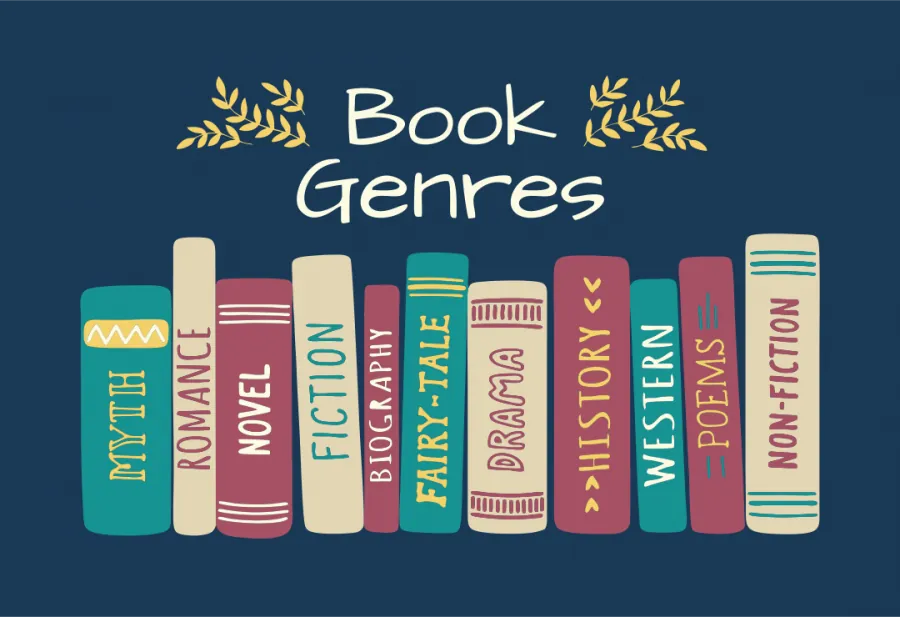
Books open doors to ideas, worlds, and perspectives, but finding the right one often starts with understanding genres. Knowing the different genres of books helps readers choose stories that resonate, challenge, and entertain in meaningful ways. Many Australian book shops organise their shelves by genre, making it easier for readers to browse confidently and uncover titles that match their interests. Whether you’re a lifelong reader or just getting started, this guide brings clarity to the most popular genres and how they shape your reading experience. Why Book Genres Matter More Than You Think Genres aren’t labels for convenience alone, they are pathways. They help readers identify tone, structure, and expectations before turning the first page. Understanding book genres allows readers to: Choose books aligned with their interests Discover new styles of storytelling Avoid disappointment from mismatched expectations Explore unfamiliar themes with confidence Genres also help bookstores, libraries, and online platforms connect readers with books they’ll genuinely enjoy. The Two Core Genre Categories: Fiction and Non-Fiction Before exploring individual genres, it’s important to understand the two primary genre categories in books. Fiction Fiction books tell imagined stories, even when inspired by real events. They focus on narrative, character, and emotional engagement. Non-Fiction Non-fiction books are grounded in facts, real experiences, and practical knowledge. Their goal is to inform, explain, or teach. Every genre fits within one of these foundational categories. Independent stores like The Hobart Bookshop showcase how thoughtful genre curation can guide readers toward meaningful and memorable book discoveries. Popular Fiction Book Genres Explained Literary Fiction Literary fiction prioritises depth, language, and character development over fast-paced plots. These books often explore complex human experiences and social themes. Best for readers who enjoy: Thought-provoking narratives and emotional nuance. Romance Romance focuses on relationships and emotional connection, typically with an uplifting or hopeful resolution. It remains one of the bestselling book genres worldwide. Best for readers who enjoy: Emotional journeys and character-driven stories. Fantasy Fantasy introduces imagined worlds, magic systems, and mythical creatures. These books often explore timeless themes like power, morality, and identity. Best for readers who enjoy: Escapism and expansive world-building. Science Fiction Science fiction examines future possibilities, technology, and scientific concepts. It often explores ethical questions about humanity’s progress. Best for readers who enjoy: Big ideas and speculative thinking. Mystery Mystery stories centre around solving a puzzle, crime, or unanswered question. Readers follow clues alongside the protagonist. Best for readers who enjoy: Logic, suspense, and problem-solving. Thriller Thrillers are fast-paced and tension-driven, designed to keep readers on edge. Stakes are high, and momentum rarely slows. Best for readers who enjoy: Adrenaline and high suspense. Horror Horror aims to evoke fear, dread, or unease. These books explore the darker sides of human experience or the unknown. Best for readers who enjoy: Psychological intensity and emotional impact. Historical Fiction Historical fiction blends fictional narratives with real historical settings, allowing readers to experience the past through story. Best for readers who enjoy: History with emotional depth. Young Adult (YA) YA books focus on adolescent protagonists and themes of identity, growth, and belonging. They appeal to both teens and adults. Best for readers who enjoy: Emotional storytelling and coming-of-age narratives. Popular Non-Fiction Book Genres Explained Biography and Memoir These genres tell real-life stories, offering insight into personal experiences, achievements, and challenges. Best for readers who enjoy: Real human stories and inspiration. Self-Help and Personal Development Self-help books provide strategies for improving mindset, habits, and life skills. Best for readers who enjoy: Practical advice and motivation. Business and Finance These books focus on entrepreneurship, leadership, economics, and professional growth. Best for readers who enjoy: Learning skills for career or financial success. History History books explore real events, cultures, and movements that shaped the world. Best for readers who enjoy: Context, analysis, and understanding the past. Health and Wellness This genre addresses physical, mental, and emotional wellbeing. Best for readers who enjoy: Evidence-based guidance for healthier living. Online visibility depends heavily on accurate genre placement, which is why authors using self-publishing platforms must understand genre categories to reach the right readers. How Genres Help Readers Find the Right Books Genres act as filters in an increasingly crowded reading landscape. They allow readers to: Narrow choices efficiently Explore similar authors and styles Build reading lists aligned with mood and goals Understanding genre classification also helps readers recognise hybrid genres, where elements overlap, such as romantic fantasy or historical mystery. Choosing the Right Genre for You If you’re unsure where to start, consider: What emotions you want to feel while reading Whether you prefer real stories or imagined worlds How much mental effort you want to invest Your reading pace and attention span Trying a new genre can reignite your love of reading and expand your perspective. Why Genre Knowledge Improves Reading Satisfaction Readers who understand genres tend to: Finish more books Feel more confident in book choices Discover authors they love faster Avoid reading fatigue Genres don’t limit choice, they empower it. On digital marketplaces, effective Amazon KDP book keyword and category research ensures books appear in the genres readers are actively searching. FAQs Q1. What are the main different genres of books? A. The main genres include fiction and non-fiction, with many subgenres such as fantasy, romance, mystery, biography, and self-help. Q2. What is the most popular book genre? A. Romance consistently ranks as one of the most popular and bestselling book genres worldwide. Q3. How many book genres are there? A. There is no fixed number. Genres continue to evolve, with new subgenres emerging regularly. Q4. What genre should I read if I’m new to reading? A. Many new readers enjoy mystery, young adult, or contemporary fiction due to their accessible pacing. Q5. Can a book belong to more than one genre? A. Yes. Many books blend genres, such as fantasy romance or historical thrillers. Q6. Why do bookstores organise books by genre? A. Genre organisation helps readers discover books that match their interests quickly and easily. Conclusion Understanding book genres empowers readers

Pen Name for Authors
book

Pen Name: A Practical and Complete Guide for Authors

Choosing how your name appears on a book is more than a formality, it’s a strategic decision that affects branding, privacy, and reader perception. Understanding what a pen name is, and whether it fits your goals, helps you build an author identity with confidence from day one. When using a pen name, managing your public author identity correctly through Amazon Author Central for authors is essential for credibility, discoverability, and reader trust. This guide breaks down the realities, benefits, risks, and real-world considerations behind using a pen name as an author. What Is a Pen Name? A pen name is a name an author uses publicly instead of their legal name when publishing written work. It can be completely fictional, partially adapted, or a variation of a real name. Pen names are also known as: Pseudonyms Author aliases Nom de plume While readers see only the pen name, publishing platforms, tax authorities, and payment processors still require the author’s real identity behind the scenes. Pen Name vs Real Name: What’s the Actual Difference? The difference isn’t just personal, it’s strategic. Writing under your real name connects your personal identity directly to your work. Writing under a pen name creates a separate public-facing author brand. The choice affects: How readers perceive you How easily your books are discovered How you market across platforms How you manage multiple genres Why the Question “Should You Use a Pen Name?” Matters So Much Many first-time authors underestimate how permanent this decision can feel once books are published. Changing names later can: Confuse readers Split reviews and sales history Weaken search visibility That’s why deciding early, and strategically, is critical. Authors writing across multiple categories often rely on pen names to separate audiences, especially when working within different genres of books that carry very different reader expectations. Common Reasons Authors Choose a Pen Name Privacy and Personal Boundaries Some authors prefer to keep their writing separate from professional, family, or personal life. A pen name creates emotional and psychological distance while still allowing creative freedom. Genre Separation Authors writing in very different genres often use separate pen names to avoid confusing readers. A romance audience has different expectations than a thriller or non-fiction audience. Brand Positioning A name can signal genre, tone, and target audience. Certain names feel more suited to specific markets or reader demographics. Starting Fresh Authors who previously published books that no longer represent their work may choose a pen name to relaunch with a clean slate. Market Perception In some niches, readers have subconscious expectations tied to author names, even if they don’t realise it. Pen names can help align with market norms without changing the content itself. When Using a Pen Name May Not Be the Best Choice You’re Building a Personal Authority Brand Non-fiction authors who rely on credibility, speaking engagements, or professional expertise often benefit from using their real name. You Want Simplicity Managing multiple author names means extra work — websites, mailing lists, advertising accounts, and branding assets. You Already Have an Established Audience Switching names can mean rebuilding trust and recognition from scratch. Pen Names and Self-Publishing Platforms For self-published authors, pen names are common and fully supported across major platforms. However, authors must understand: Author name vs account name differences Metadata consistency Reader-facing branding vs backend identity Your pen name appears on book covers, product listings, and author pages, but payments and legal records remain tied to your real identity. Understanding how self-publishing platforms handle author names, metadata, and branding helps prevent inconsistencies when publishing under a pen name. Choosing a Pen Name: Strategic Considerations Think Long-Term Ask yourself: Will this name still fit in five years? Can it grow with my catalogue? Does it limit future genre expansion? Check Availability Before committing: Search online bookstores Check domain availability Review social media handles Consistency improves discoverability. Match Reader Expectations Your pen name should align with: Genre tone Target audience Market positioning Names subtly communicate more than most authors realise. Legal and Financial Considerations Using a pen name does not remove legal responsibility. Authors still need to: Declare income under their legal name Sign contracts using real identity Comply with tax regulations Some authors register business names or publishing imprints to manage this cleanly. Marketing and Branding With a Pen Name A pen name is not just a name, it’s a brand. Successful pen name marketing includes: Consistent author voice Clear genre positioning Unified visual identity Strategic reader communication Readers don’t need to know your real name, they need to trust your author brand. Pen Names for Fiction vs Non-Fiction Authors Fiction Authors Pen names are widely accepted and often expected, especially in genre fiction. Non-Fiction Authors Real names often perform better when authority, credentials, or expertise are central to the book’s value. Because a pen name is part of an overall brand, professional book cover design for authors plays a key role in reinforcing genre signals and reader perception. What Most New Authors Get Wrong About Pen Names Treating it as a cosmetic choice Ignoring long-term branding impact Underestimating administrative workload Choosing names without market research A pen name should support your publishing goals, not complicate them. FAQs Q1. What is a pen name in simple terms? A. A pen name is a name an author uses publicly instead of their legal name when publishing books. Q2. Is a pen name the same as a pseudonym? A. Yes. The terms are interchangeable and mean the same thing in publishing. Q3. Should first-time authors use a pen name? A. It depends on goals, genre, privacy needs, and branding strategy. Q4. Can I use multiple pen names? A. Yes, but each one requires separate branding and marketing effort. Q5. Are pen names legal? A. Yes. Pen names are legal as long as real identity is used for contracts and taxes. Q6. Do pen names affect book sales? A. Indirectly. A well-chosen pen name can improve genre alignment and reader trust. Conclusion Choosing whether to write under

Australian Book Shops
book

Australian Book Shops: Heart of Australia’s Reading Culture

Australian book shops play a vital role in connecting readers, writers, and communities across the country. From independent bookstores tucked into neighbourhood streets to nationally recognised book retailers, Australia’s bookshop landscape offers far more than shelves of books. Iconic independents like The Hobart Bookshop demonstrate how community-focused bookstores preserve literary heritage while supporting local authors and readers. This guide explores the value, diversity, and future of bookstores in Australia, and how readers can make informed choices about where they buy their books. Why Australian Book Shops Matter More Than Ever Bookstores are more than retail spaces. They are cultural hubs that support literacy, creativity, and local voices. In Australia, bookshops contribute to: The sustainability of local publishing The visibility of Australian authors Community engagement and education A diverse and competitive book market Every purchase made through an Australian bookshop strengthens the national literary ecosystem. The Australian Bookshop Landscape Explained Independent Bookstores in Australia Independent bookstores form the backbone of the Australian book retail industry. These stores are often locally owned, carefully curated, and deeply connected to their communities. They typically offer: Personalised recommendations Strong support for Australian writers Curated genre selections Author events and readings Chain and Large-Scale Book Retailers Australia also has established book retailers that operate across multiple states. These stores often provide: Broad title availability Competitive pricing Centralised inventory systems They play an important role in accessibility, especially in high-traffic areas. Online Bookstores in Australia Online bookstores have expanded access to books nationwide, particularly for readers in regional and remote areas. Australian online book retailers often combine: Local warehousing National delivery Support for Australian publishers Many independent bookshops now operate hybrid models, offering both in-store and online shopping. How Australian Bookshops Support Local Authors Australian bookshops are critical advocates for homegrown talent. They support authors by: Stocking Australian-published titles Hosting book launches and signings Promoting local writers to readers Championing niche and emerging voices For many authors, independent bookstores are the first place their books gain real-world visibility. One of the strengths of Australian bookstores is their ability to guide readers through different genres of books with knowledgeable recommendations and curated selections. Common Challenges Faced by Book Buyers in Australia Overwhelming Choice With thousands of titles available, readers often struggle to find books that truly match their interests. Limited Local Discovery Many excellent bookstores remain hidden due to limited online visibility. Convenience vs Connection Readers must often choose between convenience and the richer experience offered by local bookshops. What Makes a Great Australian Bookshop? A standout bookshop typically combines several key qualities: Knowledgeable, passionate staff Thoughtfully curated selections Commitment to local and Australian authors Welcoming, inclusive atmosphere Community engagement The best bookstores don’t just sell books, they guide readers. Specialty and Niche Bookstores Across Australia Australia is home to many specialty bookstores that focus on: Children’s literature Rare and second-hand books Academic and educational titles Indigenous authors and stories Genre-specific collections These stores serve readers with specific interests that mainstream retailers often overlook. For independent authors, understanding self-publishing platforms helps bridge the gap between publishing a book and getting it stocked in Australian bookstores. Book Buying in Australia: Physical vs Online Buying In-Store Advantages include: Immediate access Personal recommendations Supporting local businesses Experiential browsing Buying Online Advantages include: Convenience Wider availability Home delivery Many readers now combine both approaches, depending on their needs. How to Find the Right Bookshop Near You in Australia When searching for a bookshop, consider: Location and accessibility Store focus and genre strengths Online ordering options Community involvement Searching “bookshop near me Australia” often reveals hidden gems within local neighbourhoods. The Role of Bookshops in the Australian Book Industry Bookshops sit at the intersection of: Readers Authors Publishers They influence which books succeed, which voices are amplified, and how reading culture evolves in Australia. A healthy network of bookshops ensures diversity, competition, and innovation within the industry. Supporting Australian Bookshops: Why It Makes a Difference Choosing Australian book retailers helps: Keep money within the local economy Sustain independent businesses Promote Australian literature Preserve community spaces Small purchasing decisions have long-term cultural impact. Many Australian bookstores now rely on book printing on demand to improve availability while reducing inventory and shipping constraints. FAQs Q1. What are Australian book shops? A. Australian book shops are book retailers operating within Australia, including independent bookstores, chains, and online sellers. Q2. Are independent bookstores common in Australia? A.. Yes. Australia has a strong network of independent bookshops across cities, suburbs, and regional areas. Q3. Can I buy books online from Australian bookstores? A. Many Australian bookstores offer online ordering and national delivery. Q4. Why should I support local bookstores in Australia? A. Supporting local bookstores helps sustain Australian authors, communities, and the national book industry. Q5. How do I find the best bookstores in Australia? A. Search locally, explore independent bookstore networks, and look for shops that align with your reading interests. Q6. Do Australian bookstores stock local authors? A. Most independent Australian bookshops actively promote and stock Australian writers. Conclusion Australian book shops are the heartbeat of the nation’s literary culture, nurturing readers, supporting authors, and strengthening communities. Whether online or in-store, choosing Australian bookstores helps preserve creativity, diversity, and the future of storytelling in Australia. Ready to support Australia’s reading culture? Explore local bookstores, discover new favourites, and be part of the story today!

Beta Readers Explained: A Practical Guide for Authors
book

Beta Readers Explained: A Practical Guide for Authors

Beta readers help authors see their work the way real readers do, before publication. When used correctly, beta reading becomes one of the most powerful tools for strengthening a manuscript and avoiding costly mistakes later in the publishing process. Because beta readers are not editors, manuscripts should still undergo professional proofreading and editing services to ensure technical accuracy and publishing readiness. This guide explains what beta readers are, how they work, and how authors can use beta reading strategically to create stronger, more publish-ready books. What Are Beta Readers? Beta readers are test readers who review a manuscript after the author has completed initial drafts and revisions. Their role is to provide feedback from a reader’s perspective, focusing on clarity, engagement, pacing, and overall experience rather than technical editing. Unlike editors, beta readers evaluate how the story or content feels to its intended audience. Why Beta Readers Matter in Modern Publishing Publishing, especially self-publishing, no longer allows room for guesswork. Readers expect polished, engaging books that meet genre expectations. Beta readers help authors: Identify confusing sections Detect pacing problems Flag weak character development Highlight inconsistencies Reveal reader disengagement Their feedback bridges the gap between author intent and reader experience. Beta Readers vs Alpha Readers: Understanding the Difference What Are Alpha Readers? Alpha readers review a manuscript at an earlier stage. They focus on high-level structure, concept clarity, and major issues before refinement begins. What Makes Beta Readers Different? Beta readers come later. They evaluate a more refined manuscript and react as real readers would, offering insight into emotional impact, flow, and satisfaction. In short: Alpha readers help shape the book Beta readers test the book Both serve different but complementary roles. When Should Authors Use Beta Readers? Beta reading works best after: The manuscript is fully drafted Several rounds of self-editing are complete Major structural changes are resolved Using beta readers too early often leads to conflicting or premature feedback. Who Makes an Effective Beta Reader? Not every reader is a good beta reader. Strong beta readers typically: Regularly read your genre Understand reader expectations Can articulate what works and what doesn’t Are honest without being destructive Genre familiarity is critical. A mismatch leads to irrelevant feedback. Selecting effective beta readers requires clarity around different genres of books, as genre familiarity directly influences the quality and relevance of feedback. Common Author Challenges with Beta Reading Overwhelming Feedback Too many beta readers can create noise instead of clarity. Emotional Resistance Receiving criticism can be confronting, especially for first-time authors. Vague Responses Unstructured feedback often lacks actionable insight. Misusing Beta Readers as Editors Beta readers are not substitutes for professional editing. Understanding these challenges allows authors to design a more effective beta reader process. The Beta Reader Process Explained Step 1: Prepare the Manuscript Ensure the manuscript is as polished as possible before sharing. Step 2: Define Feedback Goals Decide what you want feedback on: Plot logic Pacing Character engagement Clarity Reader satisfaction Step 3: Provide Guidelines Structured questions lead to useful feedback. Step 4: Collect All Feedback First Avoid revising after each response. Patterns matter more than individual opinions. Step 5: Evaluate Objectively Feedback is data, not instruction. The author decides what to implement. How Many Beta Readers Do You Need? Most authors benefit from: 3–7 beta readers for fiction 2–5 for non-fiction Quality matters far more than quantity. Consistent feedback signals real issues. For authors preparing to publish independently, understanding self-publishing platforms helps align beta reader feedback with real-world distribution and reader expectations. Beta Reader Feedback: What to Look For Effective beta reader feedback often highlights: Sections where interest drops Confusing plot points Emotional disconnect Overwritten or underdeveloped areas Reader expectations not being met Repeated feedback indicates priority areas for revision. Free vs Paid Beta Reader Services Volunteer Beta Readers Pros: Cost-effective Passion-driven Cons: Slower turnaround Variable quality Less accountability Professional Beta Reader Services Pros: Structured feedback Genre expertise Clear deliverables Faster timelines Cons: Financial investment For authors on deadlines or preparing for publication, paid beta reading often delivers higher value. Beta Reading for Fiction vs Non-Fiction Fiction Beta Reading Focus Plot coherence Character development Emotional engagement Pacing Non-Fiction Beta Reading Focus Clarity of ideas Logical flow Reader comprehension Practical usefulness Tailoring feedback goals ensures relevant insights. How Beta Reading Improves Editing Outcomes Beta reading reduces editorial costs by: Resolving major issues early Preventing structural rewrites Allowing editors to focus on refinement Editors work more efficiently when manuscripts are already reader-tested. Common Beta Reader Mistakes to Avoid Asking too many questions Ignoring consistent feedback Revising emotionally Expecting perfection before editing Confusing reader opinion with market reality A clear process prevents these issues. Using beta readers early can reduce overall self-publishing cost by minimising late-stage revisions and structural rewrites. FAQs Q1. What are beta readers in publishing? A. Beta readers are test readers who provide feedback on a manuscript from a reader’s perspective before publication. Q2. Do all authors need beta readers? A. While not mandatory, beta readers significantly improve manuscript quality and reader engagement. Q3. Are beta readers the same as editors? A. No. Beta readers focus on reader experience, while editors handle structure, language, and technical quality. Q4. How do I find beta readers? A. Beta readers can be found through writing communities, reader groups, or professional beta reader services. Q5. How much feedback should I expect? A. Effective feedback highlights patterns, not line-by-line corrections. Q6. Can beta readers replace editing? A. No. Beta reading complements professional editing but does not replace it. Concluion Beta readers are a critical part of a professional publishing process, helping authors refine their manuscripts before they reach the marketplace. When approached strategically, beta reading leads to stronger books, better reader experiences, and more confident publishing decisions.

Complete Guide to Amazon Author Central For Authors
book

Complete Guide to Amazon Author Central For Authors

Author Central on Amazon is more than a profile, it’s your official author identity on the world’s largest book marketplace. When set up and managed correctly, it strengthens credibility, improves discoverability, and supports long-term book sales. Author branding is most effective when it reflects reader expectations, which is why clarity around different genres of books plays a key role in shaping bios, photos, and tone on Author Central. This guide explains how Amazon Author Central works, why it matters, and how authors can use it strategically rather than treating it as a forgotten checkbox. What Is Author Central on Amazon? Author Central on Amazon is a free platform that allows authors to manage their public author presence across Amazon marketplaces. It connects your books, biography, media, and updates into a single, verified author page. Unlike KDP, which manages publishing logistics, Amazon Author Central focuses on author branding and reader connection. Why Amazon Author Central Matters for Authors Readers don’t just buy books, they buy authors. An incomplete or missing author page creates friction and uncertainty, especially for new or self-published writers. A well-optimised Amazon author page builds trust at the exact moment readers are deciding whether to buy. Key reasons Author Central matters: It verifies your identity as the book’s author It consolidates all your titles in one place It strengthens reader confidence It supports Amazon’s discovery algorithms Amazon Author Central vs Amazon KDP Amazon KDP Uploads and distributes books Manages royalties and pricing Handles publishing logistics Amazon Author Central Manages author identity Controls your public author profile Supports reader engagement and branding Both platforms work together, but they serve entirely different purposes. Amazon Author Central Benefits for Self-Published Authors Self-published authors don’t have publishers building credibility for them. Author Central fills that gap. Key benefits include: Centralised author branding Enhanced book discoverability Reader trust signals Improved series visibility Direct reader-follow functionality For indie authors, this platform is not optional, it’s foundational. Understanding the Amazon Author Page Your Amazon author page is what readers see when they click your name. It typically includes: Author biography Author photo Complete book catalogue Follow button Author updates (where available) This page acts as your Amazon storefront, even if you only have one book. Because Author Central supports multiple identities, authors using different genres often benefit from strategic guidance on choosing and managing a pen name for authors within Amazon’s ecosystem. Amazon Author Central Setup: What Authors Need to Know Setting up Author Central requires: An active Amazon account At least one published book Author name or pen name verification Once verified, authors can claim and manage their books across regions. Building a Strong Amazon Author Biography Your Amazon author biography should answer one question clearly: Why should a reader trust you? Effective author bios: Reflect your genre or subject authority Match reader expectations Sound human, not promotional Reinforce your author brand A biography for fiction builds emotional connection. A biography for non-fiction builds credibility. Author Photos and Visual Branding Author photos influence perception instantly. Strong author images: Match genre tone Look professional, not corporate Create visual consistency across platforms Your photo should feel familiar, not anonymous. Managing Books Inside Amazon Author Central Author Central allows you to: Claim missing titles Group series correctly Display all formats together This improves navigation and encourages read-through, especially for series authors. Amazon Author Central Features Authors Often Miss Many authors underuse: Author updates Editorial review integration Follow notifications Marketplace syncing Each feature reinforces reader trust and visibility when used intentionally. How Amazon Author Central Supports Discoverability While Author Central is not a ranking tool, it contributes to: Click confidence Author recognition Reader retention Brand consistency Amazon favours clarity. Author Central helps provide it. Author Central as an Author Branding Tool Author branding is not logos, it’s consistency. Author Central supports branding by: Aligning tone across books Creating a recognisable author identity Connecting readers to your wider platform For multi-book authors, this becomes increasingly powerful. While Author Central strengthens branding, discoverability is reinforced when it works alongside strong Amazon KDP book keyword and category research to align author identity with search intent. Common Amazon Author Central Mistakes Leaving the bio blank Using outdated photos Forgetting to claim books Treating it as “set and forget” Ignoring reader perspective Small oversights reduce credibility more than authors realise. Amazon Author Central for Long-Term Author Growth Author Central works best when: Updated regularly Aligned with your genre strategy Integrated with your marketing efforts It supports audience growth quietly but consistently. Understanding where Author Central fits within the wider landscape of self-publishing platforms helps authors coordinate branding, distribution, and visibility across multiple channels. Frequently Asked Questions Q1. What is Author Central on Amazon used for? A. Author Central manages your public author profile and author page across Amazon marketplaces. Q2. Is Amazon Author Central free? A. Yes. Amazon Author Central is completely free for all authors. Q3. Do self-published authors need Author Central? A. Yes. It’s one of the most important credibility tools available to indie authors. Q4. Can I manage multiple pen names? A. Yes. Amazon Author Central supports multiple author identities. Q5. Does Author Central help sell more books? A. Indirectly, yes, by improving trust, visibility, and reader navigation. Q6. Is Author Central the same as KDP? A. No. KDP manages publishing; Author Central manages your author presence. Conclusion Author Central on Amazon is a powerful branding tool, not a simple profile page. When used strategically, it strengthens credibility, supports discoverability, and helps authors build lasting reader trust in the world’s largest book marketplace.

Scroll to Top