
fiestacontentsolutions.com

book

The New Book Writing Workflow From Idea to Publication
book

The New Book Writing Workflow: From Idea Validation to Publication

Introduction Writing a book today is no longer just about creativity; it’s about strategy, structure, and smart execution.The modern book writing workflow helps authors validate ideas, write efficiently, and publish with confidence.By following a clear system, writers can minimize mistakes, save time, and enhance their publishing success. What Is the New Book Writing Workflow? The new book writing workflow is a structured, step-by-step process that guides authors from the earliest idea stage to final publication and launch. Unlike traditional methods, this workflow focuses on idea validation, audience alignment, digital tools, and market readiness before a single chapter is finalized. This modern approach is employed by professional authors, publishers, and writing coaches to ensure that books are not only well-written but also relevant, polished, and publishable. Step 1: Idea Validation and Market Research Before writing begins, the idea must be tested. Before committing months to writing, authors should test their book idea before writing to confirm real reader interest and market demand. Why idea validation matters Many books fail because they are written without confirming the reader’s demand. Idea validation ensures your book solves a real problem or fulfills a genuine interest. How to validate a book idea Research existing books in your genre Analyze reader reviews to identify gaps. Check search trends and keywords. Define your target audience clearly. A validated idea increases your chances of publishing success and saves months of wasted effort. Step 2: Defining the Book’s Purpose and Audience Every successful book has a clear purpose. Ask yourself: Who is this book for? What transformation or value does it offer? Is it meant to educate, entertain, inspire, or guide? Defining your audience helps shape tone, language, structure, and even book length. This clarity keeps your writing focused and consistent. Step 3: Planning and Outlining the Book Planning is where modern authors gain an advantage. A clear roadmap helps authors stay focused, especially when they outline their book in a structured way before drafting begins. Key elements of book planning Chapter-by-chapter outline Content hierarchy (core ideas vs supporting content) Timeline and writing schedule A strong outline acts as a roadmap, reducing writer’s block and preventing unnecessary rewrites. Step 4: Drafting With Efficiency and Consistency The drafting stage is about progress, not perfection. Best practices for drafting Write consistently using time blocks. Focus on completing chapters, not editing. Use version control tools to track changes. Modern workflows encourage authors to separate writing from editing, allowing creativity to flow without interruption. Step 5: Developmental Editing and Content Refinement Once the first draft is complete, refinement begins. Developmental editing focuses on: Structure and flow Clarity of ideas Logical progression between chapters This stage strengthens the book’s foundation and improves reader engagement. Step 6: Copyediting and Proofreading This step polishes the manuscript. Understanding how editors evaluate manuscripts helps authors prepare polished drafts that meet professional publishing standards. What happens here Grammar and spelling corrections Sentence clarity and consistency Formatting alignment Professional editing enhances credibility and ensures your book meets publishing standards. Step 7: Formatting and Design Preparation A book’s appearance matters as much as its content. Key formatting tasks Interior layout for print or digital Font selection and spacing Cover design aligned with genre expectations Proper formatting improves readability and market appeal. Step 8: Publishing Path Selection Authors today have multiple publishing options. Common publishing paths Self-publishing Traditional publishing Hybrid publishing Choosing the right path depends on your goals, budget, timeline, and level of control. Step 9: Pre Launch and Distribution Strategy Before publishing, preparation is essential. Pre launch steps Metadata optimization (title, description, keywords) Distribution platform setup Advance reader copies (ARCs) A strategic launch increases visibility and early traction. A well-planned strategy, including running a successful book launch in Australia, can significantly boost early visibility and sales. Step 10: Publication, Promotion, and Feedback Publishing is not the end, it’s the beginning. After publication Promote through content marketing and social platforms. Collect reader feedback and reviews. Analyze performance and update editions if needed. Modern workflows treat books as evolving assets rather than static products. Benefits of the New Book Writing Workflow Reduced writing stress and confusion Faster completion timelines Higher content quality Better publishing outcomes Stronger author credibility This workflow transforms book writing into a repeatable, professional system. FAQs Q1. What makes the modern book writing workflow different? A. It focuses on idea validation, audience alignment, and digital tools before writing begins, reducing failure risks. Q2. Is this workflow suitable for first-time authors? A. Yes. In fact, beginners benefit the most because it prevents common mistakes and confusion. Q3. How long does the full workflow take? A. Timelines vary, but a structured workflow often reduces overall writing and publishing time. Q4. Can this workflow be used for fiction and non-fiction? A. Absolutely. The steps adapt easily to novels, memoirs, business books, and educational content. Q5. Do I need professional help to follow this workflow? A. Not necessarily, but editors, coaches, and publishing services can enhance results. Conclusion The new book writing workflow empowers authors to move from idea to publication with clarity and confidence. By validating ideas early, planning strategically, and using structured steps, writers can create books that resonate with readers and succeed in today’s competitive market. A strong workflow doesn’t limit creativity; it protects and amplifies it.
Margaret River Readers & Writers Festival 2023
book

Margaret River Readers & Writers Festival 2023

The Margaret River Readers & Writers Festival 2023 is one of Western Australia’s premier literary events, bringing together readers, writers, and creative minds from across the country. Whether you’re a devoted book lover, an aspiring author, or simply curious about the literary world, this festival offers an immersive experience that blends storytelling, learning, and community. Attending such events can also provide valuable insights for authors exploring self-publishing a novel in Australia. Why the Margaret River Readers & Writers Festival Matters Literary festivals are more than just author talks, they are vibrant cultural gatherings that promote literature, creativity, and the exchange of ideas. The Margaret River Readers & Writers Festival serves as a platform for both emerging and established authors to showcase their work while inspiring audiences to engage with storytelling in meaningful ways. Key objectives of the festival include Encouraging reading and writing among young people and adults Providing networking opportunities for authors, publishers, and literary professionals Showcasing Australian literature and diverse voices Creating a cultural hub in regional Western Australia that celebrates creativity By attending, participants gain insight into the writing process, discover new books, and connect with a community of like-minded individuals who share a passion for literature. When and Where: A Regional Literary Hub The festival takes place in the picturesque town of Margaret River, Western Australia, renowned for its natural beauty, vineyards, and vibrant arts scene. The 2023 edition runs from May 12th to May 14th, offering a range of events spread across multiple venues, including the Margaret River HEART, a state-of-the-art facility designed to host literary, arts, and cultural events. Event highlights include: Readers and Writers Room: An interactive space for book discussions and storytelling sessions Author Talks and Panels: Insights from published authors, including Q&A sessions Writing Workshops: Skill-building for aspiring writers in fiction, memoir, and creative nonfiction Book Signings: Opportunities to meet authors and collect signed editions Special Exhibitions: Displays showcasing regional literature, local publishing initiatives, and creative arts projects The festival’s strategic location in a regional town makes it accessible to both local residents and literary enthusiasts traveling from other parts of Australia. A Rich History of Literary Celebration The Margaret River Readers & Writers Festival has grown steadily since its inception in 2009, becoming Western Australia’s largest regional literary event. Its history reflects a commitment to fostering literacy, creativity, and cultural engagement across the community. Notable aspects of the festival’s history: Annual youth programs that tour local schools to encourage reading and writing Collaboration with libraries, independent bookstores, and cultural organizations Expansion to include storytelling, music, and interactive creative sessions alongside traditional author events By blending education, entertainment, and cultural celebration, the festival has become a cornerstone of Western Australia’s literary calendar. Engage with authors in interactive sessions, discussions, and readings, providing inspiration similar to workshops on writing a memoir or biography book. What Makes the Margaret River Festival Unique While many literary festivals are concentrated in metropolitan areas, the Margaret River Readers & Writers Festival stands out for its regional focus, intimate atmosphere, and emphasis on community engagement. Differentiators include: Regional Access: Unlike city-based festivals, Margaret River provides a close-knit, immersive experience that fosters stronger connections between authors and audiences. Diverse Programming: From workshops and panels to interactive storytelling and local art exhibitions, the festival offers something for every type of attendee. Youth Engagement: Special initiatives for schools and young readers ensure the next generation of writers is inspired early. Local and National Talent: The festival attracts a mix of Australian authors, regional storytellers, and international guests, creating a dynamic literary environment. This combination of accessibility, diversity, and cultural richness sets the Margaret River festival apart from other literary gatherings in Australia. Who Should Attend the Festival The festival is ideal for a variety of audiences, including: Readers of all ages: Discover new books, authors, and genres Aspiring and established authors: Gain insight into the publishing process, attend workshops, and network Families and educators: Participate in youth programs and storytelling events Literary professionals: Editors, publishers, and book marketers can explore trends, collaborations, and opportunities By catering to diverse groups, the festival creates a holistic literary experience that nurtures both creativity and industry connections. Key Festival Features and Activities 1. Readers and Writers Room An intimate space designed for discussion and engagement, the Readers and Writers Room allows attendees to explore specific topics in literature, participate in readings, and engage in Q&A sessions with authors. 2. Writing Workshops Practical workshops are offered for attendees who want to enhance their writing skills, covering areas such as: Fiction writing techniques Memoir and personal narrative writing Creative nonfiction storytelling Editing and self-publishing tips 3. Author Panels and Talks Panel discussions feature multiple authors or industry experts, providing insights on writing, publishing, and navigating the literary world. Topics may range from storytelling in fiction to marketing strategies for self-published books. 4. Book Signings and Meet-and-Greets Book lovers have the chance to meet authors in person, collect signed editions, and engage in conversations about their favorite titles. Connect directly with authors, discuss their work, and gain personal feedback, similar to opportunities provided by interviews with Australian authors. 5. Special Exhibitions The festival hosts exhibitions that showcase local art, literature, and publishing projects, giving attendees a broader cultural experience beyond traditional literary programming. 6. Storytelling Snug This cozy corner encourages interactive storytelling, particularly for children and youth participants, fostering a love of reading from an early age. Benefits of Attending for Authors and Readers For Authors: Build visibility and connect with an engaged audience Receive direct feedback on books and storytelling Network with other writers, publishers, and literary professionals Explore opportunities for collaborations and future events For Readers: Discover new books and authors before they hit mainstream markets Engage directly with authors through workshops and panels Participate in immersive storytelling experiences Learn about the publishing industry and creative writing techniques By attending, participants gain both personal and professional enrichment, making it a must-visit event for literary enthusiasts. Regional Cultural and Economic Impact The Margaret River Readers

Book Formatting Tips for Your Fiction or Non-Fiction Manuscript
book

Book Formatting Tips for Fiction or Non-Fiction Manuscript

Whether you’re preparing your first novel, memoir, or guidebook, the interior layout of your manuscript can make or break a reader’s experience. Proper book formatting ensures your readers focus on the story, ideas, or insights you’ve crafted, not on struggling to navigate crowded pages or inconsistent styles. Authors learning about pros and cons of self-publishing in Australia will understand how interior presentation can impact their success on platforms like Amazon KDP or IngramSpark. Why Proper Book Formatting Matters Book formatting is often overlooked by new authors, yet it’s a fundamental step in producing a professional-looking publication. Formatting affects: Readability: A well-laid-out book keeps readers engaged and minimizes fatigue. Perceived professionalism: Readers subconsciously judge the quality of a book by its interior design. Self-publishing success: Platforms like Amazon KDP and IngramSpark have strict interior file requirements; errors can delay publication or reduce sales. For authors publishing on Amazon Australia or other self-publishing platforms, mastering formatting is a way to stand out in a competitive market. Tip 1: Set Margins for Comfort and Practicality Margins are more than aesthetic, they impact how easy it is to hold and read your book. Tight margins may allow more words per page, but they can make the text feel cramped and bleed into the gutter. Best Practices: For a 5 x 8-inch book, use a minimum margin of 0.625 inches. For a 6 x 9-inch book, start at 0.75 inches. Make the inner margin slightly larger than the outer margin to accommodate binding. Generous margins also leave space for readers who like to annotate, a small but valuable touch for non-fiction and educational books. Tip 2: Choose Readable Fonts Your font choice sets the tone and impacts reading comfort. Standard book fonts like Garamond, Caslon, Minion, or Janson are designed for sustained reading, providing excellent legibility for long-form content. Guidelines for Font Selection: Avoid overly stylized or script fonts for body text. Reserve decorative fonts for titles, chapter headings, or special elements like callouts. Test font readability by printing a sample page and evaluating eye strain over several paragraphs. For self-publishing in Australia, consistent and reader-friendly fonts help meet Amazon KDP formatting standards while enhancing professionalism. For those exploring publishing, Amazon self-publishing Australia provides guidance on file requirements, which ties directly into formatting decisions. Tip 3: Perfect Line Spacing and Type Size Line spacing (or leading) and font size directly affect readability. Too tight, and the page looks cluttered; too loose, and your book seems sparse and awkward. Industry Standards: 11-point font is commonly used for both fiction and non-fiction. Line spacing should provide a comfortable flow, typically 120–145% of the font size. For eBooks, slightly larger line spacing may be necessary to accommodate various screen sizes. Pro tip: Always check printed proofs and digital previews, as layouts may appear differently in paperback versus ebook formats. Tip 4: Justify Your Text Justified text aligns both left and right margins, creating a neat and professional appearance. While ragged-right text can work for modern or casual formats, justification is preferred for traditional books. Benefits of Justification: Enhances visual consistency across pages Supports uninterrupted reading flow Highlights the overall professionalism of your manuscript When combined with careful hyphenation and spacing adjustments, justified text gives your book a polished, publisher-ready look. Tip 5: Use Consistent Paragraph Indentation Indenting the first line of each paragraph clarifies textual breaks without relying on extra spacing. For printed books, this method is preferred over blank lines between paragraphs. Formatting Recommendations: ¼-inch indent is standard for most manuscripts. Maintain consistent indentation throughout the book. Do not indent the first paragraph of a chapter; drop caps or special chapter styling are more effective. This approach improves visual clarity while keeping the page layout elegant and professional. Tip 6: Apply Headers, Footers, and Page Numbers Running headers and footers enhance navigation and provide context to readers. For instance, you can alternate the book title and author name across left and right pages. Implementation Tips: Consider using headers for fiction novels sparingly; non-fiction often benefits more from running headers. Place page numbers in footers for consistency. Remove headers and footers from chapter-opening pages for a cleaner design. These subtle touches demonstrate attention to detail, which readers, and reviewers, notice. Tip 7: Treat Chapter Beginnings with Care Chapter openings deserve distinct treatment, signaling transitions and creating a sense of structure. Effective Chapter Formatting Includes: Starting each chapter on a new page; optional right-hand page start. Positioning text about one-third down the page for visual balance. Using unique fonts, drop caps, or decorative elements consistent with the book theme. Avoiding running headers on chapter pages. By giving chapters visual distinction, you enhance reader engagement and signal the book’s professional quality. Tip 8: Highlight Scene Breaks Scene breaks often occur within chapters to indicate shifts in time, perspective, or setting. Clear scene break formatting avoids confusion. Options for Scene Breaks: Insert a blank line for simple transitions. Use decorative symbols, small logos, or extra spacing for a more polished look. Keep formatting consistent throughout the book. Effective scene break design maintains narrative flow and improves readability, particularly in novels or memoirs. For professional standards and author guidance, referencing the Australian Society of Authors resources provides insights on producing books that meet industry expectations. Common Pain Points for Self-Publishing Authors Even seasoned writers can struggle with formatting challenges, including: Ebooks that render differently across devices Paperback files that fail print-ready checks Scene breaks, chapter styling, and indents that appear inconsistent Misaligned headers or page numbers in printed versions Professional formatting mitigates these risks, ensuring your non-fiction Amazon books in Australia or international eBooks look and feel professional. Supporting Services and Tools Many self-publishing authors benefit from professional support. Services include: Fiction and non-fiction book formatting for ebooks and paperbacks Interior design consultation and manuscript layout Amazon KDP and IngramSpark file preparation Proofreading and editing integration for consistent style For authors with tight deadlines or multiple books in production, outsourcing formatting allows more focus on writing and marketing. Real-World Example: Formatting

Introducing The First Chapter Book Shop
book

Introducing The First Chapter Book Shop: A Guide

Independent bookstores are more than retail spaces, they’re cultural anchors. The First Chapter Book Shop represents a new generation of community-focused bookshops that blend curated reading, author support, and genuine human connection under one welcoming roof. For tips on how authors can reach readers in these settings, see our guide on getting your book into Australian libraries. Why Independent Bookshops Still Matter in a Digital-First World Online retailers may offer convenience, but independent bookshops offer something algorithms can’t: care. A local bookstore curates with intention, recommends with empathy, and creates spaces where readers feel seen rather than sold to. For many readers, the rise of neighborhood bookshops signals a return to slower, more meaningful reading experiences, ones built around conversation, discovery, and shared literary joy. The First Chapter Book Shop at a Glance The First Chapter Book Shop began as an online book store before evolving into a brick-and-mortar bookstore, an intentional shift that reflects growing demand for physical community spaces centred on books. What sets this bookshop apart isn’t just its shelves, but its philosophy: Thoughtfully curated book collections Strong advocacy for local and independent authors A welcoming, cozy bookshop atmosphere A commitment to readers of all ages and stage From literary fiction and contemporary novels to children’s chapter books and young adult titles, the shop positions itself as a place where every reader can find a starting point. From Digital Beginnings to a Physical Reading Space Transitioning from an online-only presence to a physical bookstore is no small decision, especially for a small business bookstore. Rising costs, logistical complexity, and changing consumer habits make brick-and-mortar retail a risk. Yet for The First Chapter Book Shop, the move was driven by clarity of purpose rather than nostalgia. A physical space allows: Face-to-face book recommendations Author readings and literary events Book clubs and community gatherings Discovery-driven browsing that can’t be replicated online This shift reflects a broader industry pattern: readers don’t just want books—they want belonging. What Readers Are Really Looking for Today Modern readers often face the same frustrations: Feeling overwhelmed by too many choices Struggling to find books that match their taste Wanting to support local businesses without sacrificing quality Looking for meaningful gifts beyond mass-produced items The First Chapter Book Shop addresses these pain points through human-led curation, staff picks, and intentional recommendations rather than volume-driven sales tactics. Independent bookstores like Cracked and Spineless in Hobart offer similar experiences of discovery and connection. Curated Book Collections That Feel Personal Unlike large retailers that stock for scale, this independent bookshop focuses on fit. Each title earns its place. You’ll Find Literary fiction books and contemporary novels Non-fiction books with real-world relevance Classic literature for enduring readers Children’s books, early reader titles, and bedtime stories Young adult books that speak honestly to modern teens The result is a collection that feels cohesive, thoughtful, and reader-first. More Than Books: Gifts, Journals, and Reading Accessories A modern community bookshop often doubles as a gifting destination, and The First Chapter Book Shop embraces that role with care. In addition to books, readers can explore: Book lover gifts with personality Journals and stationery for writers and readers Reading accessories designed for comfort and ritual Thoughtful gifts suitable for all ages These offerings extend the joy of reading beyond the page. Supporting Local Authors and Independent Publishers One of the shop’s defining values is its commitment to support local authors and smaller publishing houses. For emerging writers, visibility is often the biggest challenge. Independent bookstores play a vital role by: Stocking locally published titles Hosting author readings and events Facilitating book signings and meet-and-greets Connecting writers directly with their audience This ecosystem benefits everyone, authors, readers, and the broader literary community. A Bookshop Designed for Connection Atmosphere matters. A cozy bookshop encourages readers to linger, browse slowly, and engage deeply. The physical space of The First Chapter Book Shop is intentionally designed to feel: Calm and welcoming Inclusive rather than intimidating Community-oriented rather than transactional It’s the kind of place where conversations start naturally, about books, stories, and shared experiences. Authors looking to self-publish can learn about self-publishing a novel to have their work featured in stores like this. Interview: A Conversation with the Founder of The First Chapter Book Shop To better understand the heart behind the bookshop, we sat down for a Q&A-style conversation with the founder to explore the vision, challenges, and future plans behind The First Chapter Book Shop. Q: What sparked the idea for The First Chapter Book Shop? A: The idea grew from a simple desire, to create a space where books feel personal again. Reading has always been deeply meaningful to me, and I wanted to build something that reflected that emotional connection rather than just selling titles. Q: Why was it important to move from an online store to a physical bookstore? A: Community. An online shop is functional, but a physical bookshop creates interaction. Readers can talk, browse, attend events, and form relationships. That human element felt essential. Q: How do you decide which books to stock? A: Every book is chosen intentionally. We think about who it’s for, what it offers, and whether it aligns with our values. Curation matters more to us than quantity. Q: What role do Australian and independent authors play in your vision? A: They’re central. Independent authors bring fresh voices and perspectives that deserve visibility. Supporting them isn’t a side effort, it’s part of the foundation of the shop. Q: What challenges come with running an independent bookstore today? A: Like any small business, there are financial pressures and logistical hurdles. But the biggest challenge is competing with convenience-driven platforms while staying true to our values. Q: What do you hope readers feel when they walk into the shop? A: Welcome. Curiosity. Comfort. I want people to feel like they belong here, whether they buy one book or simply spend time browsing. Q: What’s next for The First Chapter Book Shop? A: Growing thoughtfully, more community events, deeper

Content Writing Services Australia
book

Content Writing Services Australia | Build Authority

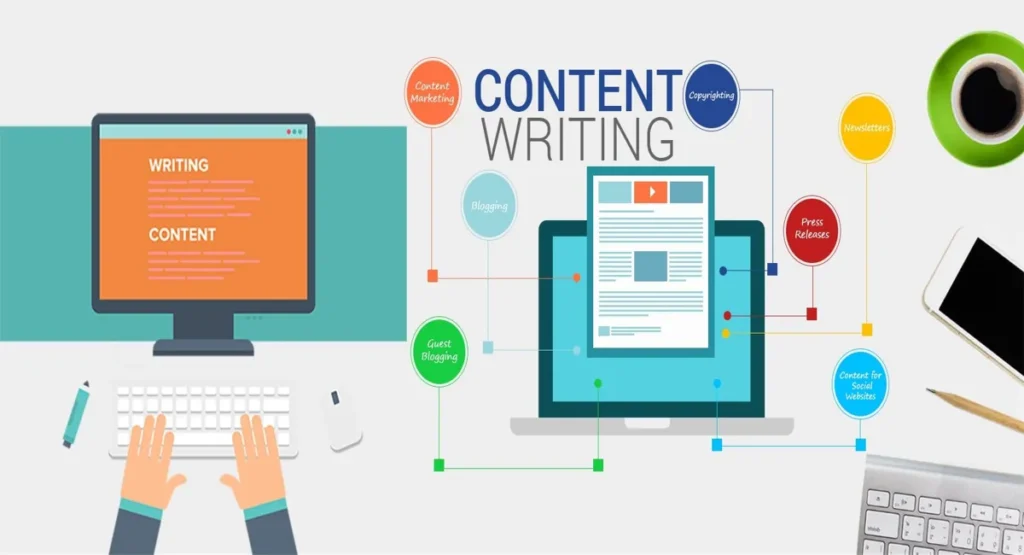
Your content is often the first impression your business makes, and first impressions decide trust. Professional Australian content writers help businesses attract the right audience, communicate value clearly, and turn attention into action. When preparing a book or manuscript, ensuring clarity and accuracy is critical, much like businesses rely on quality content, authors need proofreading services to protect credibility. Why Content Writing Is a Business Growth Asset, Not Just Marketing In a digital-first world, customers research before they buy. They read blog posts, compare service pages, scan landing copy, and judge credibility based on clarity and relevance. The quality of your content directly influences whether they stay, engage, or leave. Strategic content writing: Positions your brand as knowledgeable and trustworthy Supports long-term organic search visibility Educates prospects at every stage of the buying journey Reduces reliance on paid advertising Improves conversion rates across digital touchpoints Businesses that invest in professional content writing services in Australia build compounding digital value rather than chasing short-term visibility. The Real Challenges Businesses Face With Content Creation Limited Time and Internal Resources Most business owners understand the importance of content but struggle to produce it consistently. Writing, editing, optimising, and publishing content requires time that is often better spent running the business. Strategic planning matters in both business content and publishing. For authors, understanding self-publishing a novel helps map the workflow from concept to publication. Publishing Without Direction Content created without a clear strategy often results in: Traffic without conversions Articles that rank for irrelevant searches Messaging that doesn’t align with customer intent Inconsistent Quality and Brand Voice Working with multiple freelancers or inexperienced writers can lead to: Uneven tone Generic messaging Content that feels disconnected from the brand Increasing SEO Complexity Search engines now prioritise: Search intent accuracy Semantic depth Topical authority Human-first readability Modern SEO content writing in Australia requires far more than inserting keywords into text. What Professional Content Writers in Australia Actually Deliver Experienced Australian content writers don’t just write, they translate business goals into strategic messaging that works across search engines and human audiences. Website Content Writing Services High-performing websites rely on clear, persuasive copy that communicates value quickly. Professional website content writing services include: Service pages designed to convert About pages that build trust Landing pages that guide action Supporting pages that strengthen authority Every page is structured for clarity, SEO performance, and user experience. Professional representation benefits both businesses and authors. Understanding the role of the Australian Society of Authors can help writers protect their rights, contracts, and career growth. SEO Content Writing Australia Businesses Can Scale With SEO-driven content focuses on attracting qualified traffic, not just visitors. This includes: Keyword intent analysis Semantic optimisation Topic cluster development Internal linking strategies Content designed for long-term ranking potential SEO content becomes a sustainable growth channel when it is built strategically. Blog Writing Services Australia Businesses Trust Blogs are not just updates, they are authority assets. Strategic blog writing services help: Educate potential customers Answer high-intent search queries Build topical authority Support sales conversations Well-structured blog content compounds value over time. Copywriting Services Australia Brands Rely On Professional copywriting influences decisions. This includes: Sales pages Lead generation copy Email campaigns Brand messaging frameworks Copywriting blends psychology, clarity, and persuasion to move readers toward action. Article Writing Services Australia Companies Use for Authority Long-form articles support: Thought leadership positioning Industry credibility Trust-building content marketing High-value SEO topics Editorial-quality writing reinforces expertise and professionalism. Industry-Focused Content That Actually Resonates Generic writing rarely converts. Australian content writers with industry understanding can speak directly to the problems, language, and expectations of your audience. We regularly support: Professional service firms Trades and construction businesses Health and wellness providers Technology and SaaS companies B2B organisations eCommerce brands Consultants and educators Industry relevance builds trust faster than clever wording ever could. What Sets High-Quality Content Writing Services Apart Strategy Comes Before Writing Effective content starts with a plan. Content strategy services in Australia ensure that: Topics align with business goals Content supports the buyer journey Effort is focused on high-impact opportunities Australian Market Understanding Local expertise matters. Australian content writers understand: Regional language and tone Search behaviour Industry standards Consumer expectations SEO Without Sacrificing Readability Strong content balances optimisation with clarity. Search engines reward content that users actually want to read. For Australian authors navigating distribution, royalties, and platform rules, guidance on Amazon self publishing in Australia clarifies strategy and operational decisions. Consistent Editorial Standards Professional content is: Edited for accuracy and clarity Aligned with brand voice Structured for usability Designed to perform Scalable Content Creation From one-off projects to ongoing content marketing services in Australia, scalable solutions support sustainable growth. The Content Creation Process 1. Discovery and Goal Alignment Every project begins by understanding: Business objectives Target audience Competitive landscape Conversion goals 2. Keyword and Topic Planning Strategic planning identifies: High-intent keywords Ranking opportunities Content gaps Supporting topic clusters 3. Content Development Professional writing focuses on: Clear structure Natural language Audience relevance SEO alignment 4. Optimisation and Refinement Each piece is refined for: Search intent accuracy Semantic depth Readability Conversion potential 5. Delivery and Integration Content is delivered ready for publication, with guidance for ongoing content marketing strategy where required. Results Businesses Can Expect When content is treated as a strategic asset, businesses often experience: Improved organic visibility Higher engagement and dwell time Better-qualified leads Stronger brand authority Reduced reliance on paid ads Long-term digital growth High-quality content continues working long after it is published. Who Benefits Most From Professional Content Writing Content writing services are ideal for businesses that: Want sustainable SEO growth Value professional brand communication Need consistent, reliable content Want to attract higher-quality leads Prefer Australian-based expertise If content plays a role in your marketing, quality directly impacts results. FAQs Q1. What does a content writer in Australia do? A. A content writer creates professional written material for websites, blogs, articles, and marketing campaigns, tailored to Australian audiences and business goals. Q2. Is SEO content writing worth the investment? A. Yes. SEO

Pros and Cons of Self-Publishing in Australia
book

Pros and Cons of Self-Publishing in Australia

If you’re planning to publish a book in Australia, choosing between self-publishing and traditional publishing is one of the most important decisions you’ll make. Understanding the real advantages, limitations, and risks helps you choose a path that aligns with your goals, not just popular opinion. Understanding the self-publishing workflow is essential for first-time authors, which is why a detailed guide on how to self publish a novel can help you plan every step from manuscript to market. Why This Decision Matters More Than Ever Publishing has changed dramatically. Digital platforms, print-on-demand technology, and global distribution have removed many barriers, but they’ve also shifted responsibility onto authors. How you publish affects: Creative control Income potential Time investment Professional credibility Long-term career growth There is no universally “right” choice, only the right choice for your priorities. Understanding Self-Publishing in the Australian Market Self-publishing in Australia means the author controls the publishing process while using platforms and services to distribute, print, and sell their book. This approach allows authors to: Retain ownership of rights Choose their production team Control timelines Decide how and where books are sold However, control also comes with responsibility. Key Advantages of Self-Publishing in Australia 1. Full Creative and Strategic Control Self-publishing allows authors to decide: Content and structure Title and cover direction Pricing and formats Release schedule For authors with a strong vision, this autonomy can be empowering. 2. Higher Royalty Potential Self-published authors typically earn a significantly higher percentage per sale compared to traditional contracts. This can make self-publishing attractive for: Niche genres Non-fiction authors Business or personal brand books Higher royalties, however, do not guarantee higher profits. 3. Faster Time to Market Traditional publishing timelines often span years. Self-publishing can reduce this to weeks or months once the manuscript is ready. This benefits authors who: Want timely releases Write trend-based content Publish series or multiple titles 4. Ownership of Rights and Audience Self-published authors retain: Intellectual property rights Control over future editions Direct access to readers This ownership creates long-term flexibility. For Australian authors navigating platform options and print-on-demand services, learning about Amazon self publishing in Australia clarifies royalty structures, distribution, and strategy. The Real Challenges and Drawbacks of Self-Publishing 1. Upfront Financial Risk Self-publishing requires authors to fund: Editing Cover design Formatting Marketing Distribution setup Poor budgeting or low-quality production can undermine the book’s success. 2. Discoverability and Visibility Challenges Without a publisher’s distribution network, visibility relies heavily on: Marketing strategy Metadata optimisation Author platform Ongoing promotion Books do not sell simply because they exist. 3. Quality Control Responsibility Professional standards matter. Inadequate editing or design can: Damage credibility Reduce reviews Limit sales potential Readers expect professionally produced books regardless of publishing path. 4. Marketing Becomes the Author’s Job Self-publishing requires ongoing marketing effort, including: Launch planning Advertising Audience engagement Content promotion For many authors, this is the most underestimated challenge. Maintaining professional quality is critical, so investing in book formatting tips ensures your self-published book meets industry standards and reader expectations. Self-Publishing vs Traditional Publishing in Australia Aspect Self-Publishing Traditional Publishing Control Author-led Publisher-led Royalties Higher percentage Lower percentage Timeline Fast Slow Costs Author-funded Publisher-funded Distribution Platform-based Established networks Marketing Author-driven Publisher-assisted Neither model guarantees success, effort and execution matter most. Is Self-Publishing Worth It for Australian Authors? Self-publishing is often worth it if you: Want creative freedom View your book as a long-term asset Are willing to invest in quality Understand marketing responsibilities Prefer ownership over validation It may not suit authors seeking: Minimal involvement Guaranteed distribution Advance payments Industry gatekeeper endorsement Practical Considerations Before You Publish Clarify Your Goals Ask yourself: Is this a passion project or commercial product? Do I want readers, income, or credibility? Am I building a long-term author career? Budget Realistically Invest where it matters most: Editing Cover design Professional formatting Avoid cutting corners that affect reader trust. Even the best-prepared authors benefit from careful proofreading, which protects credibility and ensures professional presentation—details can be found in what is proofreading. Plan for Distribution and Promotion Successful self-publishing in Australia requires: Print-on-demand strategy Online retail presence Marketing timelines Reader engagement plans Outcomes Authors Can Expect When executed well, self-publishing can deliver: Sustainable income streams Audience ownership Creative satisfaction Publishing flexibility Scalable author careers When rushed or underfunded, it can lead to frustration and disappointment. If you want your self-published work to reach broader audiences, including institutions, understanding getting your book into Australian libraries helps you prepare professionally and maximise discoverability. FAQs Q1. Is self-publishing legal and recognised in Australia? A. Yes. Self-publishing is fully recognised and widely used by Australian authors across fiction and non-fiction. Q2. How much does it cost to self-publish a book in Australia? A. Costs vary widely depending on editing, design, and marketing choices, but quality production requires budgeting. Q3. Can self-published books be sold in bookstores? A. Yes, though physical bookstore placement often requires additional effort and promotion. Q4. Do self-published authors keep their rights? A. Yes. Authors retain full ownership of intellectual property unless they choose otherwise. Q5. Is traditional publishing better than self-publishing? A. Neither is objectively better. Each suits different goals, risk tolerance, and career strategies. Q6. Can self-publishing lead to traditional deals? A. Yes. Many authors use self-publishing to build credibility and readership before pursuing traditional contracts. Conclusion If you want to publish a book in Australia, understanding both opportunity and responsibility is essential. Self-publishing offers freedom, flexibility, and ownership, but success depends on preparation, quality, and commitment.

What Is Proofreading
book

What Is Proofreading? A Clear Guide for Australian Authors

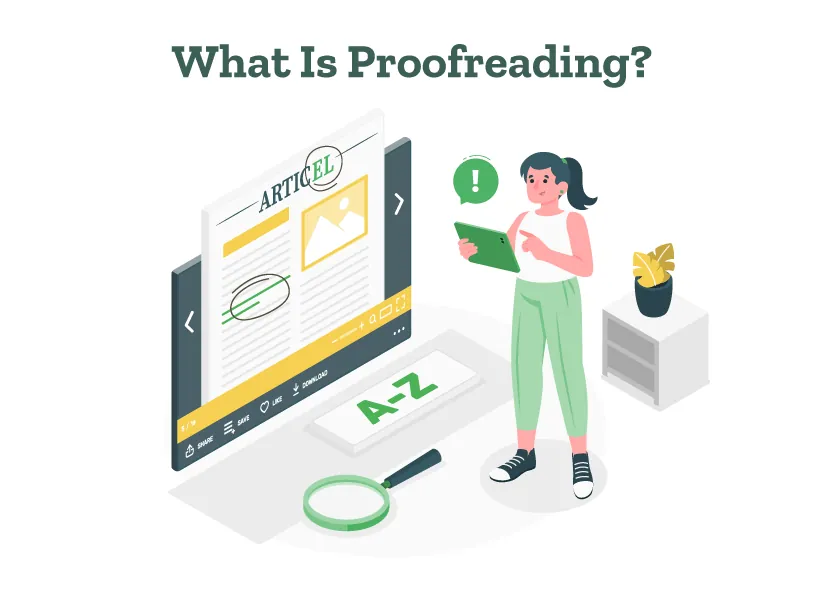
If you’re preparing to publish a book, submit a manuscript, or release written work professionally, understanding what is a proof reading step, and why it matters, can protect your credibility and your readers’ trust. For authors planning to publish independently, proofreading becomes even more critical, as outlined in discussions around amazon self publishing in Australia, where quality control directly impacts reviews and visibility. Proofreading is the final quality checkpoint before your words reach the world. Why Proofreading Matters More Than Most Authors Realise Every piece of published writing sends a message. Not just through ideas or storytelling, but through accuracy, consistency, and polish. Errors may seem small, but for readers, they interrupt flow, weaken confidence, and diminish perceived value. For authors, they can mean poor reviews, reduced sales, or lost authority. Proofreading exists to prevent those outcomes. What Is Proofreading? A Practical Definition Proofreading is the final review of a completed text to identify and correct surface-level errors before publication. It focuses on: Spelling mistakes Grammar errors Punctuation issues Capitalisation inconsistencies Formatting errors Missed words or duplicated text Unlike editing, proofreading does not restructure content or rewrite sentences. It ensures the finished work is accurate, clean, and publication-ready. Proofreading Meaning in the Publishing Process Proofreading happens after all writing and editing are complete. The typical workflow looks like this: Writing Structural or developmental editing Copyediting Formatting Proofreading Skipping or rushing this final stage increases the risk of errors slipping into print or digital formats. Proofreading vs Editing: What’s the Difference? Understanding the distinction prevents costly misunderstandings. Editing Editing improves clarity, structure, tone, and consistency. Editors may rewrite sentences, adjust flow, or flag content issues. Proofreading Proofreaders focus only on correctness. They do not change meaning or style, they correct mistakes. In short: Editors improve writing Proofreaders protect accuracy Both serve different but equally important purposes. Proofreading is especially important once a manuscript has been professionally laid out, since even small changes after formatting can introduce new errors, making book formatting tips essential reading before the final proof stage. Proofreading for Authors: Why Self-Editing Isn’t Enough Authors are often too close to their own work. Familiarity creates blind spots. Common issues self-editors miss: Skipped words the brain fills in automatically Repeated phrases Incorrect punctuation that “looks right” Inconsistent spelling of names or terms Professional proofreading provides distance, objectivity, and trained attention to detail. Proofreading for Self-Published Authors in Australia Self-publishing places full responsibility on the author. There is no publishing house safety net. For Australian authors, proofreading is especially critical because: Reader reviews heavily influence discoverability Retail platforms do not tolerate poor quality Errors reduce trust in new or unknown authors Professional proofreading helps self-published books meet industry expectations. What Does Professional Proofreading Include? A professional proofreading service typically covers: Spelling and grammar accuracy Correct punctuation usage Consistent capitalisation Layout and formatting checks Page number and heading consistency Minor typographical errors Proofreaders may flag unclear issues but will not rewrite content unless requested. Proofreading for Books and Manuscripts Book proofreading requires a different mindset than short-form content. It accounts for: Long-form consistency Character or term accuracy Repeated formatting across chapters Front and back matter accuracy Print and ebook layout issues Manuscript proofreading ensures the final version aligns with professional publishing standards. Many first-time authors underestimate proofreading while learning how to self publish a novel, yet it is one of the final steps that separates amateur releases from professional-quality books. Proofreading Errors Authors Commonly Overlook Some of the most frequent errors include: Missing words Incorrect homophones Double spaces Inconsistent quotation marks Capitalisation drift Formatting breaks after revisions These errors often survive multiple editing rounds without a dedicated proofread. Proofreading Tips for Authors Before Submission While proofreading is not a substitute for professional review, authors can improve outcomes by: Taking time away before reviewing Reading text aloud Reviewing in a different format Checking one error type at a time Using a proofreading checklist These steps reduce, but do not eliminate, risk. Proofreading Checklist: What Should Be Checked? A structured proofreading checklist includes: Spelling consistency Grammar accuracy Punctuation usage Formatting alignment Page numbering Headings and subheadings Italics and bold usage Checklists help ensure nothing is overlooked. Proofreading Services Australia: What to Expect Professional proofreading services in Australia typically: Work on final manuscripts Use tracked changes Follow publishing conventions Respect author voice Deliver clear corrections A reputable proofreader focuses on accuracy, not rewriting. Authors submitting work to libraries, institutions, or public collections should be aware that technical accuracy affects acceptance, which is why understanding getting your book into Australian libraries highlights proofreading as a non-negotiable requirement. Expected Outcomes of Professional Proofreading When done properly, proofreading results in: Cleaner, more professional manuscripts Fewer reader complaints Improved reviews Higher perceived book quality Stronger author credibility Proofreading protects your work, and your reputation. FAQs Q1. What is a proof reading in simple terms? A. Proofreading is the final check of a finished document to correct spelling, grammar, and punctuation errors before publishing. Q2. Is proofreading the same as editing? A. No. Editing improves content and structure, while proofreading corrects surface-level errors. Q3. Do self-published authors really need proofreading? A. Yes. Self-published authors are fully responsible for quality and reader perception. Q4. Can software replace professional proofreading? A. No. Tools help, but they cannot replace human judgement or context awareness. Q5. When should proofreading be done? A. After all writing, editing, and formatting are complete. Q6. How long does proofreading usually take? A. Timeframes depend on manuscript length and complexity. Final Thoughts Understanding what is a proof reading step is not about perfection, it’s about professionalism. Proofreading ensures your work is judged for its ideas, not its mistakes.

How to Self Publish a Novel
book

How to Self Publish a Novel: A Beginner-Friendly Guide

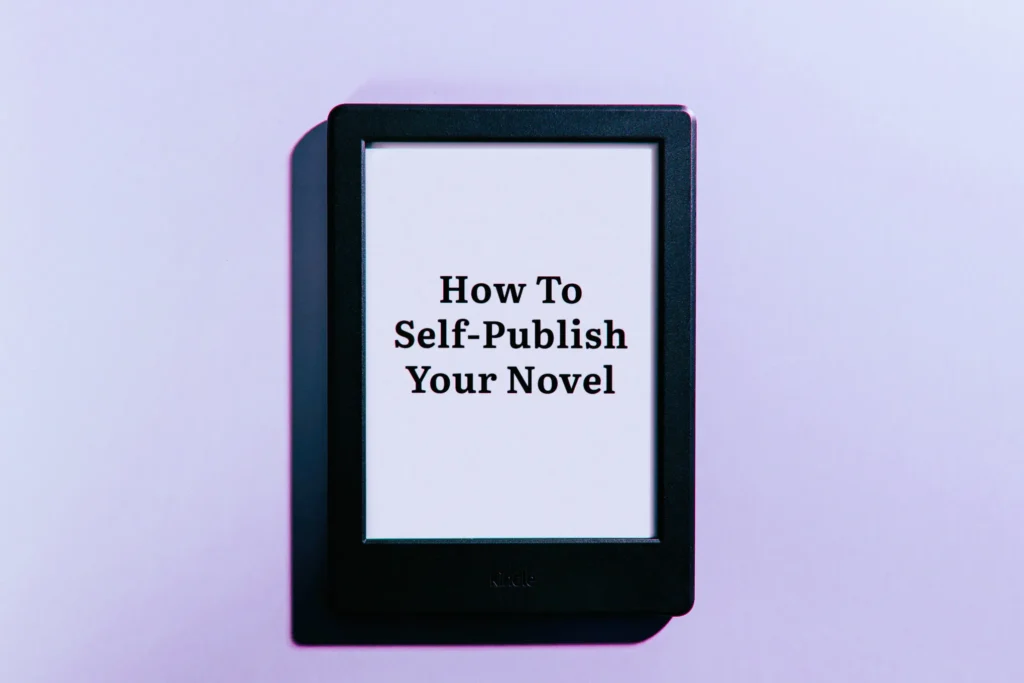
Publishing your first novel is exciting, and overwhelming. If you’re wondering how to self publish a novel without wasting time, money, or confidence, this guide walks you through the process clearly, practically, and professionally. Editing and proofreading are often underestimated by beginners, which is why understanding what is proofreading clarifies where quality control fits into the self-publishing workflow. Self-publishing isn’t about shortcuts. It’s about control, quality, and doing it right the first time. Why Self-Publishing Your First Book Deserves a Strategy Many first-time authors rush to publish. Others delay for years because they don’t know where to start. A successful self-publishing journey sits between those extremes. It requires: Planning Realistic expectations Professional standards When done properly, self-publishing gives authors creative freedom, global reach, and ownership of their work. Finish the Novel Before Thinking About Publishing The most common beginner mistake is planning publication before the manuscript is complete. Before moving forward: Finish the full draft Set it aside briefly Return with fresh eyes Publishing decisions should only begin once the story exists in full. Understand the Self-Publishing Process A beginner self publishing guide should always explain the full workflow. A typical self-publishing roadmap includes: Manuscript completion Editing and refinement Proofreading Formatting Cover design Platform setup Pricing and metadata Launch planning Skipping steps increases the risk of poor reader experiences. Editing Is Not Optional Many new authors confuse drafting with readiness. Professional publishing requires: Structural clarity Consistent voice Clean language Editing improves the book. Proofreading protects it. This distinction is essential for first-time self-publishing success. Professional presentation plays a major role in reader trust, and following proven book formatting tips ensures your novel meets platform standards and delivers a smooth reading experience. Design and Formatting Matter More Than You Think Readers judge books quickly. Formatting issues, inconsistent layout, or amateur covers signal low quality before a single page is read. Professional presentation: Builds trust Supports readability Increases conversion This is one of the most overlooked self publishing essentials. Choose the Right Publishing Platforms When learning how to self publish a book, platform choice matters. Key considerations include: Print vs ebook vs audiobook Distribution reach Royalty structure Ease of updates First-time authors benefit from starting simple, then expanding. Pricing and Positioning Your Novel Pricing is not guesswork. It reflects: Genre expectations Book length Author goals New author self publishing tips often focus on visibility over immediate profit, especially for first releases. For authors planning print editions, knowing typical word count by genre helps with pricing, formatting decisions, and aligning reader expectations in your chosen category. Build a Simple Launch Plan A launch does not require hype, it requires clarity. Focus on: Who the book is for Where readers already are How they will discover it A calm, intentional launch outperforms rushed promotion. Learn From the First Book, Not Just the Sales Your first novel is more than a product. It teaches you: Your writing process Reader response Publishing strengths and gaps Self publishing success tips often emphasize longevity over instant results. Self Publishing Mistakes to Avoid as a Beginner First-time authors often struggle with: Skipping editing Relying only on software tools Publishing too quickly Ignoring reader experience Underestimating presentation Avoiding these mistakes protects your author brand. Self Publishing Checklist for First-Time Authors Before publishing, confirm: Manuscript is edited and proofread Formatting meets platform standards Cover reflects genre expectations Book description is clear Metadata is accurate Pricing is intentional Checklists reduce stress and prevent oversight. What Makes a Strong Self Publishing Strategy? A strong self publishing strategy balances: Quality Speed Sustainability It prioritises: Long-term author growth Reader trust Consistent output Publishing is not a one-time event, it’s a skill. As first-time authors begin navigating contracts, rights, and long-term career considerations, organisations like the Australian Society of Authors provide valuable guidance beyond the publishing upload stage. FAQs Q1. How do I self publish a novel for the first time? A. Finish your manuscript, edit it professionally, format it correctly, choose a platform, and publish with a clear plan. Q2. Is self-publishing suitable for beginners? A. Yes. Many successful authors started by self-publishing their first book. Q3. How much does it cost to self publish a novel? A. Costs vary depending on editing, design, and services used. Q4. Can I self publish without technical skills? A. Yes. Many platforms are beginner-friendly, and professional support is available. Q5. How long does it take to self publish a first book? A. Timelines depend on preparation, but rushed publishing often leads to mistakes. Q6. Do self-published novels get taken seriously? A. Yes, quality determines credibility, not publishing method. Final Thoughts Learning how to self publish a novel is not about cutting corners, it’s about making informed choices. Your first book sets the tone for your author journey.

Cracked and Spineless New and Used Books Hobart
book

Cracked and Spineless New and Used Books Hobart

Cracked and Spineless is more than a bookshop, it’s a literary refuge for curious minds in the heart of Hobart. For readers who value discovery, character, and community, this independent bookstore offers an experience that digital carts simply can’t replicate. Hobart’s literary culture is shaped by several distinctive bookshops, and comparing experiences with places like The Hobart Bookshop helps readers understand how independent retailers each contribute differently to local reading communities. Why Independent Bookstores Matter in Hobart Independent bookstores play a critical role in sustaining literary culture, especially in cities like Hobart where creativity and community intersect. While large retailers focus on volume and algorithms, local bookshops curate knowledge, stories, and ideas with intention. A visit to a local bookshop in Hobart is not transactional, it’s exploratory. Readers browse, converse, and discover titles they never searched for but deeply needed. The Identity Behind Cracked and Spineless Cracked and Spineless stands as a proudly independent bookstore in Hobart, shaped by a love of books that show history, wear, and personality. Its name reflects a philosophy that celebrates stories already lived, books that have been read, shared, and rediscovered. Unlike uniform chain stores, this bookshop embraces individuality, welcoming readers into an environment that feels personal rather than commercial. A Thoughtfully Curated Mix of New and Used Books One of the defining strengths of Cracked and Spineless is its carefully selected range of both new and pre-owned books. What You’ll Find on the Shelves Gently used paperbacks and hardcovers New releases from trusted publishers Out-of-print and hard-to-find titles Literary fiction and non-fiction Genre fiction for avid readers Unique finds that rarely appear online This blend allows book lovers in Hobart to explore widely without sacrificing quality or affordability. Second-Hand Books as a Sustainable Choice Buying second-hand books in Hobart is not only economical, it’s environmentally responsible. Pre-owned books extend the life of printed materials and reduce waste while keeping stories in circulation. Cracked and Spineless supports sustainable reading habits by giving books multiple lives and new audiences. The Experience of Book Shopping in Hobart Book shopping at Cracked and Spineless feels intentional and unrushed. Visitors often describe the space as closer to a personal library than a retail outlet. What Makes the Experience Different Shelves arranged for exploration, not pressure A welcoming atmosphere for browsing Staff who understand books, not sales quotas A calm alternative to crowded commercial spaces This environment encourages readers to slow down and reconnect with reading as a pleasure. Many visitors who value bookshop discovery also enjoy exploring other independent Australian retailers such as The First Chapter Book Shop, where curated selections and personal recommendations define the experience. Serving Hobart’s Book Lovers and Literary Community As a literary bookstore in Hobart, Cracked and Spineless attracts a wide range of readers: Lifelong bibliophiles University students Tourists seeking local culture Collectors hunting rare editions Casual readers rediscovering reading The shop contributes to Tasmania’s broader literary ecosystem by keeping books accessible and visible within the community. Independent bookstores play a vital role within Australia’s wider publishing ecosystem, particularly when viewed alongside organisations like the Australian Society of Authors, which support writers and protect literary culture nationwide. Rare and Hard-to-Find Books in Hobart Finding rare books in Hobart can be challenging without specialist retailers. Cracked and Spineless fills this gap by offering unique and less common titles sourced through experience rather than algorithms. For readers searching beyond bestseller lists, this bookstore provides genuine discovery. Why Local Bookshops Still Matter in Australia Across Australia, independent bookshops face pressure from online retail giants. Yet local bookshops continue to thrive because they offer what algorithms cannot: Human recommendation Contextual knowledge Cultural connection Community presence Cracked and Spineless represents the resilience of the Australian independent bookstore and the continued demand for meaningful book retail experiences. Practical Tips for Visiting Bookshops in Hobart To get the most out of your visit: Allow time to browse without a fixed goal Ask staff for recommendations Explore unfamiliar sections Visit regularly, stock changes often Support local by purchasing in-store Independent bookshops reward curiosity. Who Should Visit Cracked and Spineless This bookshop is ideal for: Readers tired of generic online suggestions Visitors exploring Hobart’s cultural side Locals seeking affordable, quality books Collectors and literary enthusiasts Anyone who values the experience of discovery For authors whose books eventually reach shelves in places like Cracked and Spineless, understanding the process of getting your book into Australian libraries provides valuable insight into long-term discoverability beyond retail platforms. FAQs Q1. What type of books does Cracked and Spineless sell? A. The shop offers a curated mix of new and used books across multiple genres, including fiction, non-fiction, and literary works. Q2. Is Cracked and Spineless an independent bookstore? A. Yes, it is a locally owned and operated independent bookstore in Hobart, Tasmania. Q3. Can I find second-hand books in Hobart here? A. Absolutely. The bookstore is well known for its quality selection of pre-owned and second-hand books. Q4. Does the shop sell rare or hard-to-find books? A. Yes, readers often discover out-of-print and uncommon titles not typically found in chain stores. Q5. Where is Cracked and Spineless located? A. It is located in central Hobart, making it easily accessible for locals and visitors. Q6. Is this bookstore suitable for serious book collectors? A. Yes. Collectors value the rotating inventory and knowledgeable curation. Conclusion Cracked and Spineless embodies what makes independent bookstores essential, character, care, and connection. In a world dominated by instant clicks and automated recommendations, this Hobart bookshop reminds readers why discovering books in person still matters.

Scroll to Top