
fiestacontentsolutions.com

book

Choosing the Right Name for Your Characters
book

Choosing the Right Name for Your Characters

Choosing the right name for your characters is one of the most underestimated yet powerful decisions a writer makes. A name is often the very first thing a reader learns about a character, and it quietly shapes expectations long before dialogue, action, or description do their work. Whether consciously or subconsciously, readers form opinions based on names alone. Get it right, and the name becomes inseparable from the character. Get it wrong, and the illusion of the story can fracture before it fully forms. If you’re developing characters for a larger story, our guide on getting started with novel writing shows how to build compelling protagonists and secondary characters from the ground up. This guide explores why names matter, how great writers use them, common pitfalls to avoid, and practical strategies for finding names that strengthen your story rather than weaken it. Why Character Names Matter More Than You Think A name is not just a label. It carries sound, rhythm, cultural meaning, historical context, and emotional weight. When a reader encounters a character name, they instinctively ask questions, even if they don’t realise it. Is this character modern or old fashioned? Do they belong to a particular culture or social class? Are they serious, playful, threatening, ordinary, or strange? Compare the impressions created by names like Ebenezer Scrooge, Jay Gatsby, Katniss Everdeen, or Willy Wonka. Each name alone suggests something about personality, tone, or role in the story. Even before the characters speak, their names begin telling the story. Strong names: Anchor readers in the world of the book Help distinguish characters in large casts Reinforce theme and tone Make characters memorable long after the story ends Weak or poorly chosen names can confuse readers, break immersion, or unintentionally undermine the character you’re trying to create. Different Naming Philosophies in Literature Great writers approach naming in very different ways, and studying these approaches can be enlightening. Minimalist Naming Writers like Ernest Hemingway favoured simple, realistic names that didn’t draw attention to themselves. The names feel natural and unobtrusive, allowing character and action to carry the weight. Symbolic or Suggestive Naming Charles Dickens is famous for names that reflect personality or moral qualities, Scrooge, Twist, Gradgrind. These names are not subtle, but they work within the heightened, often satirical tone of his fiction. Inventive and Musical Naming Authors like Roald Dahl and J.K. Rowling delight in playful, exaggerated, and musical names. Veruca Salt, Severus Snape, Albus Dumbledore, these names are part of the storytelling magic, especially in children’s and fantasy literature. Reinvented Names In The Great Gatsby, James Gatz renames himself Jay Gatsby as an act of self-creation. The name change is not cosmetic; it is thematic, reflecting aspiration, illusion, and identity. The key lesson is not to imitate a style blindly, but to choose an approach that fits your genre, tone, and audience. For practical tips on integrating names into your narrative, check out our post on writing a synopsis, which demonstrates how character introduction and arcs can be highlighted concisely. How Names Shape Reader Expectations Names create instant mental images. Readers may not consciously analyse them, but they feel their effect. A character named Atticus Finch sounds authoritative, thoughtful, and principled, perfect for a moral centre in a courtroom drama. A name like Lolita sounds lyrical and innocent, which starkly contrasts with the disturbing narrative it inhabits, creating tension before the story even begins. Problems arise when names unintentionally mislead. If a character is named something that strongly suggests one personality type, and the character turns out to be the opposite, readers may feel disoriented unless the discrepancy is intentional and clearly addressed. This doesn’t mean characters must “match” their names in obvious ways. Subversion can work beautifully, but it must be deliberate, not accidental. Choosing Names That Fit the World of the Story One of the most important rules of character naming is contextual accuracy. Time Period Names are deeply tied to era. A medieval knight named Brandon or a Victorian child named Kayden will jar attentive readers. Historical fiction requires careful research into naming conventions of the time, including class distinctions and regional differences. Geography and Culture Names must align with cultural background. This applies not only to historical fiction, but also to contemporary and speculative genres. Readers quickly notice when a name feels culturally misplaced or inauthentic. Age Names rise and fall in popularity. A sixty-year-old character is unlikely to have a name that only became popular in the last decade. Conversely, a modern child named something distinctly old-fashioned may need an explanation. Researching naming trends by decade and country can prevent subtle but damaging errors. If you’re planning for publishing, learning how characters fit visually on the page can help, our book formatting tips article explains layout considerations for novels and children’s books alike. The Importance of Sound and Readability A name lives not only on the page but also in the reader’s mind. If a name is difficult to pronounce, overly long, or visually confusing, it creates friction. This is especially important in genres like fantasy and science fiction, where invented names are common. Readers should be able to “hear” a name internally without stumbling. Ask yourself: Can this name be pronounced on first glance? Does it look too similar to another character’s name? Does it flow well in dialogue and narration? With audiobooks now a major part of the publishing landscape, pronounceability matters more than ever. Avoiding Common Naming Pitfalls Even experienced writers fall into naming traps. Being aware of them can save significant revision time later. Too Many Similar Names Characters whose names begin with the same letter or share similar sounds can blur together, especially in scenes where they appear together. Overused or Generic Names Some names become so common in fiction that they lose impact. While realism matters, distinctiveness matters too. Readers juggling multiple books may struggle to remember yet another protagonist named Jack, Kate, or Alex unless the character is exceptionally vivid. Naming Every Minor Character A
Write a Picture Book For Children & Young Readers
book

How To Write a Picture Book For Children & Young Readers

Writing a picture book is not about writing less, it’s about writing smarter. This guide shows you how to write a picture book that truly works for children, parents, illustrators, and publishers alike. Understanding how to structure your story visually can help with pacing and layout; check out our article on book formatting tips for guidance on preparing manuscripts that are publication-ready. Why Picture Book Writing Is Harder Than It Looks Picture book writing for beginners often feels deceptively simple. Few words. Short length. Big illustrations. But behind every successful children’s picture book is tight storytelling, emotional precision, and structural discipline. Unlike longer fiction, you don’t have room to explain, justify, or wander. Every sentence must: Move the story forward Create emotional engagement Leave space for illustration Work when read aloud This is why children’s picture book writing is one of the most competitive areas of publishing, and one of the most rewarding when done well. Understanding the Picture Book Reader (And Buyer) Before you write a single word, you must understand who you’re writing for. You’re Writing for Two Audiences The child: emotional connection, curiosity, repetition, delight The adult reader: clarity, rhythm, meaning, reread value If your picture book only works for one of them, it won’t last. Age Ranges and Expectations 0–3 years: sensory, concept-driven, minimal text 3–5 years: emotional reassurance, routine, simple conflict 5–8 years: stronger narrative arcs, character growth, humour Knowing the age group shapes language, pacing, theme, and structure. Picture Book Ideas That Actually Sustain a Story Many aspiring writers have ideas, but not all ideas can carry a picture book. Strong Picture Book Ideas Share These Traits A single, clear emotional journey A problem a child understands instinctively Visual potential on every spread A resolution that feels earned, not taught Good picture book storytelling starts small: a fear, a wish, a mistake, a moment of change. Avoid These Common Idea Traps Stories that exist only to teach a lesson Concepts without emotional stakes Gimmicks with no narrative growth Overly complex world-building Children don’t need big ideas, they need relatable ones. If you’re thinking ahead to publishing, our Amazon printing costs guide explains the practical considerations for producing a picture book affordably. Building Characters Children Instantly Connect With In writing picture books for kids, character comes before plot. What Makes a Picture Book Character Work A strong character: Wants something specific Faces an obstacle they don’t fully understand Reacts emotionally, not logically Changes by the end Children bond with characters who feel like them, even when those characters are animals, objects, or imaginary beings. Keep Adults Out of the Spotlight Adults can exist, but rarely belong at the centre. Picture books work best when the child (or child-like character) drives the action. Picture Book Structure: How Stories Fit the Page Understanding picture book structure separates amateurs from professionals. Standard Picture Book Format Typically 32 pages Built in double-page spreads Includes front matter and end pages Leaves room for visual storytelling This means your text must breathe, pause, and invite illustration. Narrative Flow Across Pages Strong picture books use: Page turns for suspense Repetition for rhythm Silence for emotional impact A page turn is not decoration, it’s a storytelling tool. Word Count for Picture Books (What Really Matters) Yes, word count matters, but clarity matters more. Typical Guidelines Most picture books: 300–700 words Younger audiences: closer to 200–400 Older picture book readers: sometimes longer Publishers care less about hitting a number and more about: Pacing Read-aloud quality Space for illustrations If a sentence isn’t pulling its weight, it doesn’t belong. Writing Style That Works for Young Readers Picture books are designed to be heard, not skimmed. Effective Picture Book Language Short, active sentences Strong verbs Concrete imagery Natural rhythm Rhyme: Use With Extreme Care Rhyme can work, but only when it: Serves the story Maintains consistent rhythm Never forces awkward phrasing Most manuscripts fail because rhyme takes control instead of supporting meaning. For tips on presenting your book to readers and publishers alike, our book cover design for authors post demonstrates how a strong cover complements your story and enhances market appeal. Showing, Not Telling (With Illustrators in Mind) One of the biggest mistakes in children’s book writing is over-describing. Trust the Illustration Your job is to: Provide action Create emotional movement Leave visual interpretation open Let the illustrator handle: Facial expressions Clothing details Background elements Great picture books are collaborations, even before an illustrator is involved. Developing a Picture Book Manuscript That Sells When preparing a picture book manuscript, publishers look for: Strong narrative voice Clear beginning, middle, and end Age-appropriate language Visual storytelling potential They are not looking for: Over-formatting Page numbers Illustration directions Clean, confident text speaks for itself. Picture Book Page Layout: Thinking Visually Even without illustrating, you should understand picture book page layout. Ask yourself: Where does tension rise? Where should a pause happen? Where does the emotional shift occur? This awareness improves pacing and makes your manuscript easier to acquire. Picture Book Publishing: What Writers Need to Know Publishing picture books is a long-term game. What Publishers Care About Market fit Re-read value International appeal Illustration compatibility Books overly dependent on wordplay or cultural nuance can struggle globally. Submitting Without Illustrations In most cases: Submit text only Let the publisher pair the illustrator Focus on narrative strength If you are both writer and illustrator, present each strength clearly, but separately. Common Pain Points for Picture Book Authors Understanding pain points helps you write better, and persist longer. Typical Challenges Cutting favourite lines Trusting simplicity Avoiding over-teaching Finishing drafts Handling rejection Every professional picture book author has faced these obstacles. The difference is persistence and craft. What Success Looks Like in Picture Book Writing Success isn’t just publication. It’s: Finishing a strong manuscript Understanding your reader Writing with confidence Creating something that children return to Each book builds skill, even the unpublished ones. Children’s Book Writing Tips That Actually Help Read picture books aloud, often Study pacing, not plots Revise

Get Started With Novel Writing
book

Get Started With Novel Writing: A Practical Guide

Writing a novel isn’t about talent alone, it’s about learning a process that turns ideas into a finished story. If you’ve ever wondered how to be a novel writer, this guide will walk you through the mindset, skills, and systems that actually help beginners start, and finish, their first novel. Understanding how to structure your chapters early on can make drafting much easier; check out our article on writing a synopsis for insights into outlining your story’s key beats. What It Really Means to Be a Novel Writer Many aspiring authors believe that becoming a novelist requires a rare gift or sudden inspiration. In reality, novel writing is a craft built through intentional practice, structured thinking, and persistence. A novel writer is someone who: Develops long-form ideas into complete narratives Commits to sustained creative focus over time Learns storytelling skills through iteration, not perfection You don’t become a novelist after publishing. You become one the moment you commit to telling a story through sustained effort. Why Novel Writing Feels So Hard at the Beginning Before learning how to start writing a novel, it helps to understand why beginners struggle. Most obstacles are not technical, they’re psychological and structural. Common Pain Points for Aspiring Novelists Feeling overwhelmed by the size of a novel Not knowing where to start or what comes next Fear of writing badly or “wasting time” Abandoning projects halfway through Confusion between planning and overthinking These challenges are normal. They don’t signal a lack of ability, they signal a lack of process. The Novel Writing Process (Simplified) Novel writing doesn’t happen in one step. It unfolds in stages, each with a different goal. Stage 1: Idea Formation This is where curiosity becomes a concept. Stage 2: Story Development Characters, conflict, and direction take shape. Stage 3: Drafting You focus on momentum, not polish. Stage 4: Revision You refine structure, clarity, and emotional impact. Beginners often fail by trying to do all four stages at once. Successful novel writing separates them. Developing Story Ideas That Can Sustain a Novel Not every idea is strong enough for long-form fiction. A novel-worthy idea must generate ongoing tension, not just an interesting opening. How to Tell If an Idea Can Become a Novel Ask yourself: Does this idea create difficult choices for a character? Can the conflict escalate over time? Are there meaningful consequences if the character fails? Strong novel ideas usually begin with a problem that cannot be easily solved. For advice on formatting and preparing your novel for publication, our book formatting tips article shows how to make manuscripts polished and professional. Practical Tip If your idea only excites you for one scene, it’s a short story. If it raises questions that keep multiplying, it’s a novel. Creating Characters Readers Will Follow Readers don’t stay for clever plots, they stay for characters who feel real. What Makes a Protagonist Work A compelling main character has: A clear desire or goal An internal flaw or limitation Something meaningful at risk Characters don’t need to be likable. They need to be understandable. Character Development for Beginners Instead of writing long backstories, focus on: What your character wants right now What they’re afraid of losing How pressure forces them to change This approach keeps your writing grounded and dynamic. Plot Development for Novels (Without Overcomplication) Plot isn’t about events, it’s about cause and effect. A Beginner-Friendly Plot Framework You can think of plot as: A disruption to normal life Escalating complications A point of no return A decisive confrontation Consequences and resolution This structure appears across genres because it mirrors how humans process change. If you’re considering self-publishing in the future, it helps to understand costs and platforms, our guide on Amazon self-publishing in Australia explains the essentials. Non-Linear Is Allowed Your novel doesn’t have to move chronologically. What matters is clarity, not order. Choosing the Right Genre (And Why It Matters) Genre helps readers understand what kind of experience your story offers. It also helps you make creative decisions faster. Why Genre Is a Tool, Not a Limitation Knowing your genre: Clarifies reader expectations Guides pacing and tone Helps you avoid structural confusion You can blend genres, but you still need a primary one anchoring the story. Writing Your First Novel Without Burning Out Most unfinished novels don’t fail because of skill. They fail because of unsustainable habits. Writing Routines for Authors That Actually Work Forget daily word count myths. Instead: Set time-based goals (30–60 minutes) Write at the same time consistently Stop mid-scene so it’s easier to restart Consistency beats intensity every time. Long Form Fiction Writing Requires Energy Management Treat writing like training, not a test. Some days are for progress, others for recovery. Novel Writing Techniques That Help Beginners Finish You don’t need advanced techniques. You need practical ones. Techniques That Reduce Friction Write scenes out of order Use placeholders instead of stopping Accept imperfect drafts Track progress visually Momentum matters more than elegance in early drafts. Storytelling Skills You Develop by Writing Badly First Many beginners delay writing because they want their work to be “good.” Ironically, this prevents growth. You develop storytelling skills by: Writing scenes that don’t work Noticing patterns in your mistakes Learning what engages you as a reader Every completed draft teaches more than ten unfinished ones. Becoming a Novelist Is About Identity, Not Validation One of the biggest shifts new writers must make is internal. You are not “trying” to write a novel. You are becoming a novelist through practice. External validation, agents, readers, publication, comes later. Craft comes first. What Outcomes You Can Expect If You Commit When you follow a clear novel writing process, you gain: Confidence in your creative voice Stronger narrative instincts A finished manuscript Transferable creative discipline Even if your first novel isn’t published, it builds the foundation for every book after it. Author Writing Advice Most Beginners Need to Hear Writing regularly matters more than writing well Confusion means you’re learning, not failing You don’t need

Writing a Synopsis
book

Writing a Synopsis: A Complete Guide for Authors

Crafting a compelling synopsis is one of the most challenging steps for authors, yet it is one of the most important tools for getting your manuscript noticed. A strong synopsis bridges the gap between your story and the decision-makers who can bring your book to readers. For a deeper understanding of the basics before you start, check out our guide on getting started with novel writing, which provides foundational tips for structuring your story. Why a Synopsis Is Crucial When submitting a manuscript to literary agents or publishers, the synopsis often precedes the manuscript itself. Think of it as the first impression your story will make. Agents and editors rely on it to determine: Market fit: Does the manuscript align with their publishing list? Narrative clarity: Is the plot coherent and engaging? Authorial voice: Does the style of writing capture attention? Even the best manuscripts can be overlooked if the synopsis fails to convey the story effectively. In essence, your synopsis is your story’s ambassador, it must sell the narrative before the reader turns the first page. What Is a Synopsis? A synopsis is more than a summary. It is a concise, clear representation of your manuscript that includes: Key characters and their motivations Central conflicts and obstacles Plot progression and major turning points Resolution and character development The tone and style of your writing Unlike a back-cover blurb, which teases the story to entice readers, a synopsis reveals the entire plot, including the ending. This transparency allows agents and publishers to assess the story’s structure, pacing, and potential for market success. Core Elements of a Strong Synopsis Writing a synopsis requires a balance between clarity, brevity, and engagement. Here are the key elements every effective synopsis should include: 1. Protagonist and Motivation Introduce your main character, including their traits, situation, and overarching goal. Explain why this goal is significant and what personal stakes are involved. Example: Detective Clara Reed, recently widowed and battling self-doubt, must solve a string of cryptic murders to protect her city and reclaim her sense of purpose. 2. Central Conflict Highlight the main obstacle preventing the protagonist from achieving their goal. This conflict drives the narrative and sets the stakes for the story. 3. Supporting Characters and Subplots Include essential secondary characters who influence the protagonist’s journey. Focus on those who affect the plot significantly. Subplots should be concise and tied to the central narrative. 4. Key Turning Points Outline the major events that shape the story’s progression. Be selective, only include incidents critical to character development or plot resolution. 5. Resolution and Character Arc A synopsis must reveal how conflicts are resolved and show the protagonist’s growth. Avoid ambiguity; clarity here demonstrates your ability to structure a coherent story. 6. Style and Tone Your synopsis should reflect your manuscript’s voice. Whether witty, suspenseful, or lyrical, let your narrative style shine through succinctly. Choosing the right character names can add depth to your synopsis; explore our tips on how to choose the right name for your characters to enhance character clarity. Step-by-Step Guide to Writing Your Synopsis Writing a synopsis can feel overwhelming. Here’s a structured approach: Step 1: Brainstorm Core Elements Use the following checklist to gather your thoughts: Who is the protagonist? What is their primary goal? What conflict drives the story? Which characters and events are essential to the narrative? How does the story end? Step 2: Draft a Rough Version Don’t worry about perfection on the first try. Focus on getting the story down on the page, even in bullet points. Step 3: Refine for Clarity and Flow Ensure your synopsis flows logically, balancing plot detail with readability. Remove redundancies and unnecessary subplots. Step 4: Edit for Style Inject your voice into the synopsis while maintaining conciseness. Avoid overly complex sentences, excessive adjectives, or dialogue. Step 5: Tailor for Submission Check each agent or publisher’s submission guidelines. Some request one-page synopses, others up to 10 pages. Always adapt your synopsis accordingly. For tips on how to make your book appealing to readers after submission, see our guide on book cover design for authors, which discusses how presentation complements your synopsis. Common Mistakes to Avoid Even experienced writers can falter when creating a synopsis. Avoid these pitfalls: Back-cover blurb style: A synopsis is not a teaser; it tells the full story. Over-detailing: Focus on key plot points and characters; minor events can be omitted. Excessive prose or dialogue: A synopsis is concise narrative, not the manuscript itself. Listing characters without context: Introduce only those who impact the plot. Skipping the ending: Always include resolution; ambiguity confuses decision-makers. Ignoring submission guidelines: Each agent or publisher may have specific formatting or length requirements. Recommended Length for a Synopsis The optimal length varies depending on the manuscript and submission requirements: One-page synopsis: Ideal for most submissions; concise and precise. Three-page synopsis: Provides additional plot detail while maintaining readability. Ten-page synopsis: For more complex narratives or when requested by the agent/publisher. Longer versions can originate from chapter summaries, helping authors highlight the narrative’s central arc before condensing into the final synopsis. Eliza Renton: Write multiple drafts. If stuck, ask a friend to summarize your story, they often highlight key points you may overlook. Practical Tips for Success Start with a Chapter Breakdown: Highlight key events and character arcs. Highlight Stakes and Goals: Make it clear why the protagonist’s journey matters. Use Present Tense and Third Person: Standard convention for submission. Maintain Voice: Let your style shine without overcomplicating the narrative. Iterate: Refine until the synopsis is tight, engaging, and accurate. If you’re considering professional help to refine your synopsis, our article on what is proofreading: a guide highlights how expert editing can polish your manuscript and synopsis for submission. FAQ Q1. What is a synopsis? A. A synopsis is a concise summary of your manuscript, highlighting key characters, plot, conflicts, and resolution, while reflecting your writing style. Q2. How long should a synopsis be? A. One to three pages is standard. Some publishers may request

How Writers Can Strengthen a First Draft Without Overthinking It
book

How Writers Can Strengthen a First Draft Without Overthinking It

Introduction Finishing a first draft is an achievement, but improving it can feel mentally exhausting.Many writers get stuck not because their draft is weak, but because they overthink every change.The key is learning how to strengthen your draft while keeping momentum and clarity. Why Overthinking Weakens a First Draft   Overthinking often leads to hesitation, self-doubt, and unnecessary rewrites. Writers start questioning every sentence instead of focusing on what truly matters: clarity, structure, and reader experience. A first draft is not meant to be flawless; it is meant to be functional. Strengthening a draft works best when decisions are intentional rather than emotional. Step 1: Define the Core Purpose of Your Draft Before touching the text, ask one simple question: Why does this book exist? Clarifying the purpose helps you avoid endless revisions. Whether your book aims to teach, inspire, or guide readers, that purpose becomes your filter. If a section supports that goal, it stays. If it distracts, it gets refined or removed. Establishing this clarity early is similar to building a solid foundation, as explained in outlining for book writing, where structure prevents confusion later. Step 2: Strengthen Structure Before Sentences One of the biggest mistakes writers make is fixing sentences before fixing structure. Start by reviewing: Chapter order Logical flow of ideas Repetition or gaps When structure improves, sentence level issues often resolve themselves naturally. This approach saves time and reduces mental fatigue. Step 3: Work in Focused Editing Rounds Trying to fix everything at once creates overwhelm. Instead, edit in clear, focused passes. Recommended order: Big-picture flow and clarity Emotional consistency and reader engagement Language, grammar, and style This layered approach aligns with professional editing practices in book writing and keeps creativity intact. Step 4: Strengthen Emotional Impact Without Rewriting Everything A stronger draft does not mean rewriting from scratch. Often, small changes create a big impact. Ways to enhance emotional strength: Clarify motivations Sharpen transitions Remove unnecessary explanations When emotions feel flat, focus on depth rather than volume. Techniques discussed in creating emotional depth in stories can help refine scenes without overthinking them. Step 5: Set Editing Boundaries to Avoid Burnout Overthinking thrives when boundaries are missing. Set limits such as: One chapter per session Time-based editing blocks Clear stopping points This keeps your mind fresh and aligns with proven time management strategies for authors that encourage steady progress instead of exhaustion. Step 6: Focus on Reader Clarity, Not Writer Perfection Ask yourself: Is the message clear? Does this section move the reader forward? Is the intent understandable without explanation? When clarity improves, confidence follows. Perfection is not required; connection is. Step 7: Know When Your Draft Is “Strong Enough” A draft is ready when: The structure holds The message is consistent. Your voice still sounds natural. Endless polishing rarely adds value. At some point, improvement turns into avoidance. Common Habits That Cause Overthinking Editing while drafting Rewriting instead of refining Comparing early drafts to finished books Chasing perfection instead of progress Awareness of these habits helps writers move forward with confidence. FAQs Q1. How do I stop overthinking my first draft? A. By editing in stages and focusing on clarity instead of perfection. Q2. Should I rewrite my first draft completely? A. Usually no. Most drafts need refinement, not replacement. Q3. What should I fix first in a first draft? A. Structure, flow, and purpose before language or grammar. Q4. How many editing rounds are ideal? A. Three to four focused rounds are usually enough. Q5. Can overediting damage creativity? A. Yes. Too much editing too early often weakens natural voice and momentum. Conclusion Strengthening a first draft does not require overthinking; it requires direction. By focusing on purpose, structure, and clarity while working in manageable stages, writers can improve their drafts without losing confidence or creativity. Progress comes from intention, not perfection.

The Art of Editing Your First Draft While Staying Creative
book

The Art of Editing Your First Draft While Staying Creative

Introduction Editing a first draft is where many writers feel creativity begins to fade. The challenge is improving clarity and structure without silencing your original voice. With the right approach, editing can strengthen creativity instead of limiting it. Why Editing Feels So Risky to Creative Writers The first draft is raw, emotional, and instinctive. Editing, on the other hand, feels analytical and critical. When these two mindsets collide too early, writers often experience creative blockage or self-doubt. The key is understanding that editing is not about rewriting your identity as a writer, but refining how your ideas are delivered to the reader. Step 1: Create Distance Before You Edit Never edit immediately after finishing your draft. Distance gives perspective. When you step away: You see weaknesses more clearly. Emotional attachment reduces Decision-making improves Professional authors treat editing as a separate creative phase, not an extension of drafting. This distance helps protect your natural voice. Step 2: Edit Structure Before Style Before fixing sentences, look at the bigger picture. Focus first on: Chapter flow Logical progression of ideas Repetition or missing links A clear structure makes later sentence-level editing easier and less disruptive to creativity. Using a proper outline, like the process explained in book writing outlines, can help you reshape content without rewriting everything. Step 3: Protect Your Author Voice Your voice is what makes your writing unique. Editing should sharpen it, not erase it. Tips to protect your voice: Avoid rewriting just to “sound smarter.” Keep natural phrasing where possible. Read sections aloud to hear authenticity. If a sentence feels like you, but still communicates clearly, it likely belongs. Step 4: Edit in Layers, Not All at Once Trying to fix everything in one pass kills creativity fast. Use layered editing: Developmental editing – ideas, flow, structure Clarity editing – sentence meaning and transitions Language editing – grammar, tone, consistency This approach aligns with professional editing in book writing standards and prevents mental overload. Step 5: Keep Emotional Depth Intact One common editing mistake is over-cleaning emotional moments. Emotion often lives in imperfect sentences. When editing emotional scenes: Remove clutter, not feeling. Simplify language without flattening tone. Preserve imagery and intent. Maintaining emotional resonance is essential, especially when applying techniques for creating emotional depth in storytelling. Step 6: Use Time Limits to Stay Creative Editing endlessly leads to doubt and overcorrection. Set limits: Edit one chapter per session. Use timers (30–60 minutes) Stop once the goal is met. Time-bound editing keeps momentum strong and aligns well with time management tips for authors. Step 7: Know When to Stop Editing Overediting is often worse than under-editing. Stop when: The message is clear. The structure works Your voice still feels natural. Perfection is not the goal; connection is. Common Mistakes That Kill Creativity During Editing Editing while drafting Comparing your work to others Rewriting instead of refining Ignoring the reader’s perspective Awareness of these habits helps you edit with confidence instead of fear. FAQs Q1. Should I edit my first draft immediately after writing? A. No. Taking a break improves clarity and protects creative instinct. Q2. How many editing rounds should a first draft go through? A. Usually three: structure, clarity, and language. Q3. Can editing improve creativity? A. Yes. Strategic editing sharpens ideas and strengthens expression. Q4. Is professional editing necessary for first drafts? A. Not required, but guidance can improve results significantly. Q5. How do I know if I’m overediting? A. If your writing no longer sounds like you, it’s time to stop. Conclusion Editing your first draft is not about controlling creativity; it’s about guiding it. By editing in stages, protecting your voice, and working with intention, you can refine your writing without losing what made it special. When done right, editing becomes a creative partner, not a creative enemy.

Word Count by Genre
book

Word Count by Genre: How Long Should Your Book Really Be?

Determining the right length for your novel isn’t just about hitting a number, it’s about pacing, audience expectations, and market viability. Understanding typical word counts of novels across genres can save you time, improve your manuscript’s readability, and help your book appeal to agents, publishers, and readers alike. For authors considering publishing options, learning how to self-publish a novel can provide flexibility in managing word count and formatting. Why Word Count Matters in Publishing Word count is often the first metric agents and publishers use to evaluate a manuscript. While creativity drives storytelling, adhering to industry-standard word lengths demonstrates discipline, market awareness, and respect for the reader’s expectations. Publishing professionals are inundated with submissions. Manuscripts that fall within expected word ranges are easier to pitch to sales teams and marketing departments, reducing the risk of rejection based on format rather than quality. Essentially, your word count signals: Professionalism: You understand genre conventions. Market awareness: You know what readers expect. Editorial readiness: You can self-edit effectively. This doesn’t mean all books must conform rigidly. Exceptional manuscripts can break rules, but only if they can justify their length with compelling storytelling. Typical Word Count of a Novel: Genre-Specific Guidelines While all stories are unique, different genres have established word count benchmarks. These figures are based on audience expectations, pacing, and publishing norms. Authors can also benefit from book formatting tips to ensure their manuscript is reader-ready and aligned with publishing standards. Adult Fiction (Commercial & Literary) Word Count: 80,000 to 100,000 words Adult fiction is the standard against which most publishers measure new submissions. Falling below this range can suggest the story lacks depth; exceeding it may raise production costs unless the narrative justifies the length. Science Fiction & Fantasy Word Count: 90,000 to 120,000 words (up to 150,000 for epics) These genres often require world-building and complex plots. Readers expect immersive experiences, giving authors flexibility with longer manuscripts. Romance Novels Word Count: 50,000 to 100,000 words Romance encompasses numerous sub-genres, from Regency to contemporary, paranormal, and erotic. Consider your target reader: do they prefer a light, fast-paced story or an epic love saga? Historical Fiction Word Count: Around 100,000 words Authenticity and rich detail are crucial. Historical context must feel immersive, but verbosity can risk disengaging readers. Crime, Mystery, Thriller, & Horror Word Count: 70,000 to 90,000 words Suspense and tension drive these genres. Editors look for lean, gripping narratives without unnecessary exposition. Young Adult (YA) Fiction Word Count: 50,000 to 80,000 words YA can stretch depending on sub-genre, e.g., fantasy YA titles may be longer due to world-building. Always keep the attention span and reading habits of your audience in mind. Children’s Fiction Word counts vary widely: picture books may be under 1,000 words, early readers around 2,000 to 5,000, and middle-grade novels 20,000 to 50,000. The focus is on readability and engagement rather than strict length. Non-Fiction Non-fiction spans multiple formats: memoirs, guides, histories, or reference works. Word count is secondary to content quality and structure. Some books are acquired on concept alone, emphasizing clarity and market fit over length. For practical advice on submissions, agent or publisher guidance can help authors align manuscript length with industry expectations. Practical Tips for Managing Word Count Outline Your Story: Knowing your structure helps gauge natural length. Set Genre Benchmarks: Compare your draft against typical word counts for your genre. Edit Ruthlessly: Remove filler, tighten dialogue, and streamline exposition. Read Widely: Analyze books similar to yours to understand pacing and length norms. Be Ready to Justify: If your story deviates from conventions, have clear reasoning for editors and agents. The Role of Word Count in Market Success Adhering to word count expectations is not just about impressing publishers; it directly affects: Production Costs: Longer manuscripts cost more to print and price higher. Reader Engagement: Length impacts readability, especially for busy adult readers or young audiences. Market Positioning: Your book must compete effectively with titles of similar length and genre. Word Count and Self-Publishing Self-publishing offers flexibility, but market considerations remain: Overly long books may deter readers accustomed to genre norms. Proper formatting for e-books and print requires careful planning for page numbers and layout. Word count still influences pricing, production, and marketing strategies. Additionally, exploring the first chapter book shop examples shows how strong openings and concise writing can capture readers and editors even if the manuscript is slightly over or under typical word counts. FAQs Q1. What is the typical word count of a novel? A. Most novels range between 60,000–100,000 words, but expectations vary by genre. Q2. Can I publish a novel longer than 150,000 words? A. Yes, particularly in fantasy, sci-fi, or epic genres, but you must ensure pacing and reader engagement justify the length. Q3. How strict are publishers about word count? A. Publishers use it as a guideline. Deviating significantly requires strong justification and exceptional storytelling. Q4. Do short novels stand a chance of being published? A. Absolutely. Shorter novels can succeed if they tell a complete, compelling story. Genres like romance or YA often accommodate lower word counts. Q5. Should I adjust my manuscript to fit word count norms? A. Use word counts as a guideline. Focus first on storytelling; adjust length during editing to enhance readability and market fit. Q6. Does word count affect self-publishing pricing? A. Yes, longer books often cost more to print and may require higher pricing, affecting sales. Q7. How do I estimate word count for different genres? A. Research bestsellers in your genre, consult publishing guides, and analyze manuscripts to understand typical lengths. Conclusion The typical word count of a novel is a balance between storytelling, genre conventions, and market expectations. Use word counts as flexible guidelines rather than rigid rules. Focus on pacing, engagement, and narrative completeness first, then refine the length to align with publishing realities. For authors navigating the traditional or self-publishing landscape, understanding word count expectations can make the difference between a polished, market-ready manuscript and one that struggles to find its audience.

How to Improve Your First Draft Without Losing Creativity
book

How to Improve Your First Draft Without Losing Creativity

Introduction Improving a first draft doesn’t mean stripping away creativity; it means refining it with purpose.Many writers fear editing will dull their voice, but the right process actually strengthens originality.With a balanced approach, you can polish your draft while keeping its creative energy alive. Why First Drafts Matter More Than Perfection A first draft is meant to be raw, expressive, and imperfect. It captures ideas before self-doubt interferes. The real danger isn’t writing badly, it’s over-editing too early and silencing your natural voice. Improvement should be about clarity, flow, and impact, not rewriting yourself out of the work. Step 1: Create Distance Before Editing One of the most effective ways to improve a draft without losing creativity is to step away. Why distance works You return with fresh eyes. Emotional attachment softens You can evaluate ideas, not just words Even a short break helps you see what truly works and what needs refining. Step 2: Edit for Structure First, Not Style Many writers immediately start fixing sentences. This often harms creativity. Instead, focus on: Chapter order Logical progression Repetition or missing ideas This structural clarity supports creativity rather than restricting it. Before refining language, it helps to structure your nonfiction book effectively so your ideas flow naturally without forcing creativity. Step 3: Protect Your Creative Voice Your voice is what makes your writing memorable. Editing should sharpen, not replace it. How to protect your voice Avoid over-polishing sentences Keep phrases that sound like you. Read sections aloud to test authenticity. If a sentence sounds technically perfect but emotionally flat, reconsider it. Step 4: Separate Creative Editing From Technical Editing Creativity and correctness require different mindsets. Use two editing passes. Creative pass: clarity, emotion, storytelling Technical pass: grammar, spelling, formatting This separation prevents creativity from being interrupted by constant corrections. Understanding the difference between creative revision and technical polish is essential in editing a book writing without losing originality. Step 5: Trim Without Fear, Not Without Thought Cutting content is part of improvement, but it must be intentional. Ask: Does this support the main idea? Is it repeating something already said? Does it slow the reader? Removing clutter often reveals stronger creativity underneath. Step 6: Use Feedback Strategically Not all feedback deserves equal weight. Smart feedback rules Seek feedback after self-editing Ask specific questions Look for patterns, not opinions. Feedback should guide clarity, not override your creative intent. When refining a first draft, using beta readers effectively helps improve clarity while preserving your creative direction. Step 7: Improve Flow Without Rewriting Everything Flow issues don’t always require rewrites. Try: Rearranging paragraphs Adding transitions Breaking long sections Small adjustments often make a draft feel new without erasing original ideas. Step 8: Strengthen Weak Sections, Don’t Delete Them Immediately A weak section doesn’t always need removal; it may need expansion or clarity. Improve weak areas by: Adding examples Clarifying intent Tightening focus Creativity often hides in unfinished thoughts. Learning when to stop refining is essential if you want to finish writing a book without exhausting your creativity. Benefits of Improving Your First Draft the Right Way Preserves authentic voice Strengthens clarity and impact Reduces burnout Improves reader engagement Prepares the manuscript for professional editing The goal isn’t perfection, it’s progress. FAQs Q1. Should I edit while writing my first draft? No. Editing during drafting disrupts creativity. Write freely first, edit later. Q2. How many times should I revise a first draft? As many as needed for clarity and structure, but stop before changes become repetitive. Q3. Can editing really improve creativity? Yes. Good editing removes distractions so creative ideas stand out more clearly. Q4. Is professional editing necessary? Not mandatory, but professional editors can elevate your work without altering your voice. Q5. How do I know my creativity is still intact? If the writing still sounds like you and conveys emotion, your creativity remains strong. Conclusion Improving your first draft doesn’t mean rewriting your creativity out of existence. By editing with intention, focusing on structure, clarity, and flow, you allow your original ideas to shine brighter. When done correctly, refinement becomes a tool that enhances creativity rather than suppressing it.

Agent or Publisher? How to Get a Writing Agent
book

Agent or Publisher? How to Get a Writing Agent

Navigating the publishing world can feel like walking through a maze without a map. One of the most common dilemmas for authors is deciding whether to approach a literary agent first or submit directly to publishers. Understanding the role of agents, the submission process, and your publishing options can save you time, effort, and frustration. Learning about pros and cons of self-publishing in Australia is also helpful for authors considering alternative routes. This guide will provide a comprehensive overview of how to get a writing agent, the differences between agents and publishers, and practical steps for aspiring authors looking to take the next step in their writing careers. Understanding the Role of a Literary Agent What Does a Literary Agent Do? A literary agent is a professional advocate for your manuscript. They act as the intermediary between you, the author, and publishing houses. A competent agent can: Evaluate your manuscript’s potential in the marketplace. Edit or suggest improvements to make your work more appealing to publishers. Submit your manuscript to the right editors and publishing houses. Negotiate contracts, including advances, royalties, and subsidiary rights. Offer career guidance and long-term publishing strategy. Agents bring insider knowledge of the publishing industry. They are well-connected and often know which editors are looking for specific genres, which can significantly increase the chances of your manuscript being accepted. Why Authors Seek Agents First There are several reasons authors may choose to work with an agent rather than submit directly to publishers: Industry Connections: Agents know editors and can access publishers who do not accept unsolicited manuscripts. Negotiation Expertise: Contracts can be complex. Agents help authors navigate legal and financial terms. Time Savings: They handle submissions, follow-ups, and deal-making, freeing authors to focus on writing. Placement for Challenging Manuscripts: Niche topics or non-fiction projects can benefit from an agent’s advocacy. Without an agent, your manuscript may face an uphill battle with publishers that only accept submissions from trusted intermediaries. Literary Agent vs Publisher: Key Differences Feature Literary Agent Publisher Role Represents the author, negotiates deals, submits manuscript Produces, markets, and sells books Payment Typically earns 10–20% commission on earnings Pays advances, royalties directly to author Access Opens doors to publishers, editors, and industry contacts Publishes books; may require agent submission Contract Guidance Yes, ensures favorable terms Primarily publishing agreement management An agent is your advocate; a publisher is the entity that brings your book to readers. Choosing whether to approach an agent or publisher first depends on your goals, the genre, and how much support you need navigating the industry. Agents bring insider knowledge of the industry, and authors can also benefit from understanding how to self-publish a novel if they choose an independent path. How to Get a Writing Agent Step 1: Research and Identify Potential Agents Finding the right literary agent for authors requires careful research. Not all agents represent all genres. Look for agents who: Specialize in your genre (fiction, non-fiction, memoirs, children’s books). Have recent successful placements. Show a track record with new or emerging authors. Resources include agent directories, literary agency websites, industry forums, and social media networks for authors. Step 2: Prepare Your Manuscript and Submission Materials Before approaching agents, ensure your manuscript is polished. Consider professional manuscript evaluation or developmental editing. Your submission package typically includes: Query Letter: A concise introduction of yourself and your manuscript. Synopsis: A brief overview of the plot, key characters, and themes. Sample Chapters: Usually the first 3 chapters or 50 pages. Author Bio: Highlight writing experience, awards, or relevant background. Agents receive hundreds of queries monthly, so presentation and professionalism are essential. Step 3: Craft a Strong Query Letter Your query letter is your first impression. A strong letter should: Hook the agent in the first sentence. Clearly explain the manuscript’s genre, word count, and target audience. Summarize the story without excessive detail. Demonstrate why you are the right author to write this book. Avoid overly casual language, generic flattery, or long-winded summaries. Keep it professional, concise, and compelling. Step 4: Submit and Track Your Queries Submission procedures vary by agent. Some accept email queries; others use submission portals. Best practices include: Personalizing each query to the agent. Following submission guidelines strictly. Keeping a spreadsheet to track submissions, responses, and deadlines. Patience is key, response times can range from a few weeks to several months. Step 5: Evaluate Agent Offers If multiple agents express interest, evaluate them carefully: Communication Style: Are they responsive and clear? Experience: Do they have a strong track record? Contract Terms: Understand commission rates, duration, and rights management. Personality Fit: A collaborative relationship is essential for long-term success. Never rush into a contract. Interview the agent as they interview you. Ask about their approach, current client list, and recent deals. Common Pain Points for Authors Finding the Right Fit Many writers struggle to locate agents who are actively seeking manuscripts in their genre. The literary market is competitive, and agent rejection is common. Persistence and research are crucial. Learning from the first chapter book shop examples can provide insight into how strong openings and professional presentation make manuscripts more attractive to agents. Navigating Contracts and Rights Contracts can be complex. Issues such as digital rights, foreign publishing rights, and royalties require careful review. Authors benefit greatly from the guidance of an experienced agent. Balancing Writing and Promotion Self-promotion is time-consuming. Agents can take some of the marketing burden off your shoulders, but early-stage authors often juggle writing, networking, and manuscript submissions simultaneously. Alternatives to Using an Agent While agents are beneficial, they are not mandatory. Authors can consider: Direct Submission to Publishers: Some publishing houses accept unsolicited manuscripts. Networking: Industry events, conferences, and author forums may open doors to editors. Self-Publishing: Complete control over your work, faster timelines, but you manage all aspects of marketing and distribution. Each pathway has pros and cons; understanding your goals helps determine the best approach. Tips for Success Start Small: Target agents who are actively seeking new authors. Follow Guidelines: Submitting materials

Author Interview
book

Author Interview with Australian Author Eliza Renton

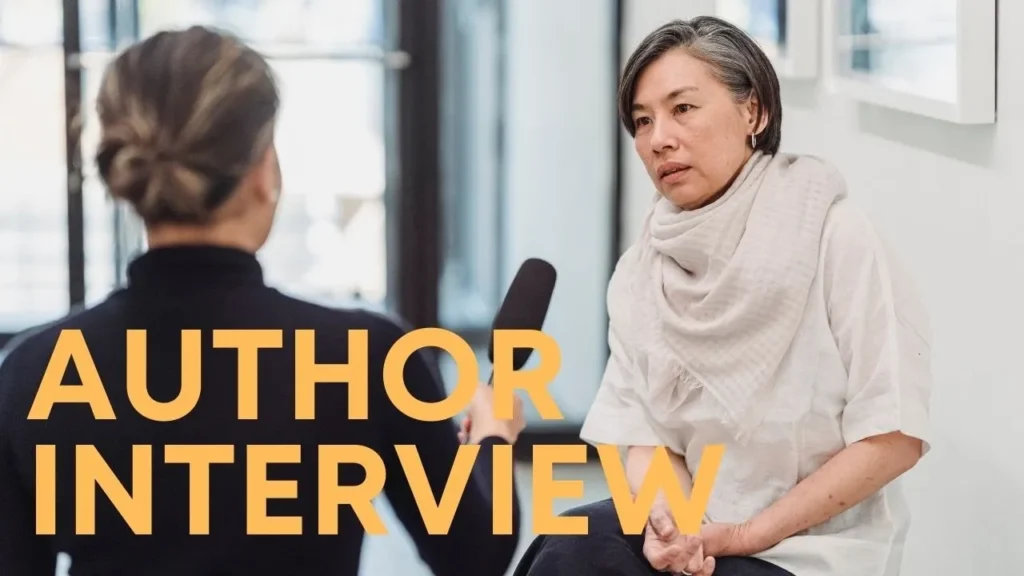
Australia has long been home to remarkable female authors who have shaped the literary landscape with their unique voices, engaging storytelling, and cultural insight. From contemporary fiction to romance, mystery, and creative nonfiction, women writers across Australia continue to inspire readers worldwide. In this article, we explore the journeys of Australian female authors, their creative processes, challenges, and the growing recognition of women’s contributions to Australian literature. For aspiring authors, understanding the opportunities offered by self-publishing a novel can be a powerful way to share stories independently. Why Australian Female Authors Matter The voices of women in Australian literature offer perspectives that enrich the nation’s storytelling heritage. Their work often reflects personal experiences, cultural diversity, and social themes that resonate with a broad spectrum of readers. By highlighting female authors, we not only celebrate literary talent but also encourage emerging writers to pursue their stories and contribute to Australia’s vibrant writing community. Female authors provide insight into: Contemporary social issues: Through fiction and nonfiction, women writers tackle topics ranging from identity and family dynamics to social justice and personal resilience. Cultural narratives: Many female authors explore Indigenous history, multiculturalism, and regional experiences unique to Australia. Literary innovation: Australian women writers often experiment with narrative structures, voice, and genre, pushing boundaries in storytelling. Supporting female authors strengthens the literary ecosystem, ensures diverse voices are heard, and inspires the next generation of writers. Spotlight on Creativity: How Australian Women Writers Approach Writing Every author has a unique approach, but there are common threads in how Australian female authors craft their stories: 1. Drawing from Personal Experience Many authors use life experiences, relationships, and personal challenges as a foundation for their work. Authenticity in storytelling resonates with readers, making narratives relatable and compelling. 2. Developing Strong Characters Female authors often focus on character-driven storytelling, creating multidimensional protagonists who navigate personal growth, romance, or suspenseful plots. These characters allow readers to see themselves in the narrative and feel emotionally connected. 3. Consistent Writing Habits Successful authors typically maintain disciplined writing routines, whether dedicating a set number of hours each day or establishing creative rituals. Such habits foster productivity and ensure steady progress on projects. 4. Integrating Genre Elements From romantic suspense and contemporary fiction to historical novels and mystery thrillers, Australian female authors skillfully blend genre conventions with original ideas, keeping stories engaging and fresh. Challenges Faced by Female Authors in Australia Despite the growing recognition of women’s literary contributions, female authors still encounter challenges: Balancing Creativity and Promotion: Many authors find managing social media, marketing, and business aspects of writing time-consuming. Access to Publishing Opportunities: Emerging authors may struggle with traditional publishing barriers or gaining visibility in a competitive market. Work-Life Balance: Women balancing family, careers, and writing must manage competing priorities while maintaining creative momentum. Visibility and Recognition: Female voices are sometimes overshadowed by established authors or industry biases, making promotion and discovery harder. Understanding these challenges highlights the importance of supportive networks, workshops, and platforms that elevate female voices in Australian literature. Supporting female authors through author interviews with Australian authors provides insight into their creative processes, challenges, and publishing journeys. The Impact of Self-Publishing Self-publishing has become a game-changer for Australian female authors, offering flexibility and creative freedom. It allows writers to: Retain full control over their work, from content to cover design Reach global audiences without relying on traditional publishing gatekeepers Experiment with genres and storytelling techniques without restriction Build direct relationships with readers through newsletters, social media, and online platforms While self-publishing offers opportunities, authors must also manage marketing, editing, and production, which can be time-intensive. The rise of self-publishing services in Australia has made this process more accessible, empowering women to share their stories independently. Author Interview Insights: Understanding the Craft One way to appreciate the craft of Australian female authors is through author interviews. These conversations reveal personal motivations, creative approaches, and practical tips for aspiring writers. Common insights include: Writing Process: Many authors write daily, often in dedicated spaces surrounded by inspiration, using music, notes, or visual cues to immerse themselves in their narrative worlds. Character Creation: Strong protagonists, detailed personalities, and authentic dialogue are emphasized to engage readers. Genre Preference: Authors frequently specialize in genres they are passionate about, such as romantic suspense, literary fiction, or young adult fiction. Lessons Learned: Writing is often described as addictive, requiring discipline, patience, and adaptability. Authors also highlight the satisfaction of seeing a completed story come to life. Future Goals: Many aspire to expand their audience through translations, audiobooks, or series development, illustrating long-term vision and growth in their careers. Such insights demonstrate the dedication, creativity, and strategy behind every book published by Australian women writers. Resources on writing a memoir or biography book can guide women authors who wish to explore personal storytelling or non-fiction narratives. Examples of Contemporary Australian Female Authors Highlighting specific authors provides inspiration for readers and emerging writers: Romantic Suspense Authors: Known for complex characters and emotionally engaging narratives Crime and Mystery Writers: Blend suspense with psychological depth and social commentary Literary Fiction Authors: Focus on character development, social themes, and experimental storytelling Young Adult Writers: Address coming-of-age experiences, identity, and personal growth Nonfiction Authors: Offer memoirs, personal reflections, and cultural analysis These authors reflect the breadth of talent across genres, proving that Australian women’s literary contributions are diverse and impactful. Author Interview: Spotlight on Australian Author Eliza Renton To gain deeper insight into the life and creative process of Australian female authors, we spoke with Eliza Renton, a celebrated writer in the romantic suspense genre. Her journey highlights the dedication, creativity, and passion behind Australia’s literary voices. Q: Could you introduce yourself to our readers and share what inspired you to start writing? Eliza Renton: I’ve always loved storytelling. As a child, I wrote poetry to escape into other worlds, and later, studying English literature fueled my dream of becoming a writer. I’m drawn to stories about love, courage, and the pursuit of a meaningful connection, romantic suspense is where

Scroll to Top