

Beta readers help authors see their work the way real readers do, before publication. When used correctly, beta reading becomes one of the most powerful tools for strengthening a manuscript and avoiding costly mistakes later in the publishing process. Because beta readers are not editors, manuscripts should still undergo professional proofreading and editing services to ensure technical accuracy and publishing readiness.
This guide explains what beta readers are, how they work, and how authors can use beta reading strategically to create stronger, more publish-ready books.
What Are Beta Readers?
Beta readers are test readers who review a manuscript after the author has completed initial drafts and revisions. Their role is to provide feedback from a reader’s perspective, focusing on clarity, engagement, pacing, and overall experience rather than technical editing.
Unlike editors, beta readers evaluate how the story or content feels to its intended audience.
Why Beta Readers Matter in Modern Publishing

Publishing, especially self-publishing, no longer allows room for guesswork. Readers expect polished, engaging books that meet genre expectations.
Beta readers help authors:
- Identify confusing sections
- Detect pacing problems
- Flag weak character development
- Highlight inconsistencies
- Reveal reader disengagement
Their feedback bridges the gap between author intent and reader experience.
Beta Readers vs Alpha Readers: Understanding the Difference
What Are Alpha Readers?
Alpha readers review a manuscript at an earlier stage. They focus on high-level structure, concept clarity, and major issues before refinement begins.
What Makes Beta Readers Different?
Beta readers come later. They evaluate a more refined manuscript and react as real readers would, offering insight into emotional impact, flow, and satisfaction.
In short:
- Alpha readers help shape the book
- Beta readers test the book
Both serve different but complementary roles.
When Should Authors Use Beta Readers?
Beta reading works best after:
- The manuscript is fully drafted
- Several rounds of self-editing are complete
- Major structural changes are resolved
Using beta readers too early often leads to conflicting or premature feedback.
Who Makes an Effective Beta Reader?
Not every reader is a good beta reader.
Strong beta readers typically:
- Regularly read your genre
- Understand reader expectations
- Can articulate what works and what doesn’t
- Are honest without being destructive
Genre familiarity is critical. A mismatch leads to irrelevant feedback. Selecting effective beta readers requires clarity around different genres of books, as genre familiarity directly influences the quality and relevance of feedback.
Common Author Challenges with Beta Reading
Overwhelming Feedback
Too many beta readers can create noise instead of clarity.
Emotional Resistance
Receiving criticism can be confronting, especially for first-time authors.
Vague Responses
Unstructured feedback often lacks actionable insight.
Misusing Beta Readers as Editors
Beta readers are not substitutes for professional editing.
Understanding these challenges allows authors to design a more effective beta reader process.
The Beta Reader Process Explained
Step 1: Prepare the Manuscript
Ensure the manuscript is as polished as possible before sharing.
Step 2: Define Feedback Goals
Decide what you want feedback on:
- Plot logic
- Pacing
- Character engagement
- Clarity
- Reader satisfaction
Step 3: Provide Guidelines
Structured questions lead to useful feedback.
Step 4: Collect All Feedback First
Avoid revising after each response. Patterns matter more than individual opinions.
Step 5: Evaluate Objectively
Feedback is data, not instruction. The author decides what to implement.
How Many Beta Readers Do You Need?
Most authors benefit from:
- 3–7 beta readers for fiction
- 2–5 for non-fiction
Quality matters far more than quantity. Consistent feedback signals real issues. For authors preparing to publish independently, understanding self-publishing platforms helps align beta reader feedback with real-world distribution and reader expectations.
Beta Reader Feedback: What to Look For
Effective beta reader feedback often highlights:
- Sections where interest drops
- Confusing plot points
- Emotional disconnect
- Overwritten or underdeveloped areas
- Reader expectations not being met
Repeated feedback indicates priority areas for revision.
Free vs Paid Beta Reader Services
Volunteer Beta Readers
Pros:
- Cost-effective
- Passion-driven
Cons:
- Slower turnaround
- Variable quality
- Less accountability
Professional Beta Reader Services
Pros:
- Structured feedback
- Genre expertise
- Clear deliverables
- Faster timelines
Cons:
- Financial investment
For authors on deadlines or preparing for publication, paid beta reading often delivers higher value.
Beta Reading for Fiction vs Non-Fiction
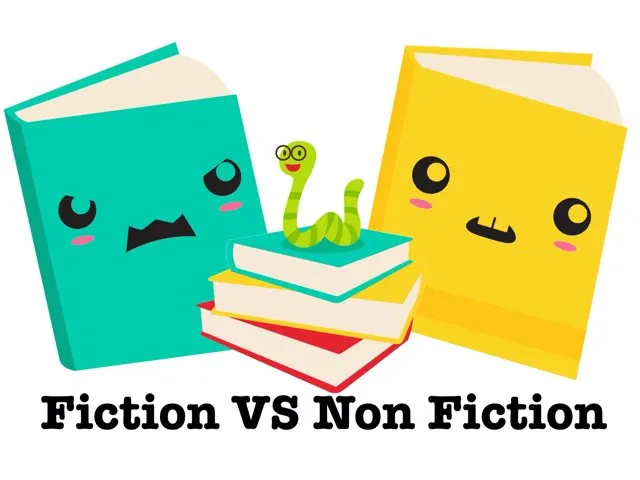
Fiction Beta Reading Focus
- Plot coherence
- Character development
- Emotional engagement
- Pacing
Non-Fiction Beta Reading Focus
- Clarity of ideas
- Logical flow
- Reader comprehension
- Practical usefulness
Tailoring feedback goals ensures relevant insights.
How Beta Reading Improves Editing Outcomes
Beta reading reduces editorial costs by:
- Resolving major issues early
- Preventing structural rewrites
- Allowing editors to focus on refinement
Editors work more efficiently when manuscripts are already reader-tested.
Common Beta Reader Mistakes to Avoid
- Asking too many questions
- Ignoring consistent feedback
- Revising emotionally
- Expecting perfection before editing
- Confusing reader opinion with market reality
A clear process prevents these issues. Using beta readers early can reduce overall self-publishing cost by minimising late-stage revisions and structural rewrites.
FAQs
Q1. What are beta readers in publishing?
A. Beta readers are test readers who provide feedback on a manuscript from a reader’s perspective before publication.
Q2. Do all authors need beta readers?
A. While not mandatory, beta readers significantly improve manuscript quality and reader engagement.
Q3. Are beta readers the same as editors?
A. No. Beta readers focus on reader experience, while editors handle structure, language, and technical quality.
Q4. How do I find beta readers?
A. Beta readers can be found through writing communities, reader groups, or professional beta reader services.
Q5. How much feedback should I expect?
A. Effective feedback highlights patterns, not line-by-line corrections.
Q6. Can beta readers replace editing?
A. No. Beta reading complements professional editing but does not replace it.
Concluion
Beta readers are a critical part of a professional publishing process, helping authors refine their manuscripts before they reach the marketplace. When approached strategically, beta reading leads to stronger books, better reader experiences, and more confident publishing decisions.