
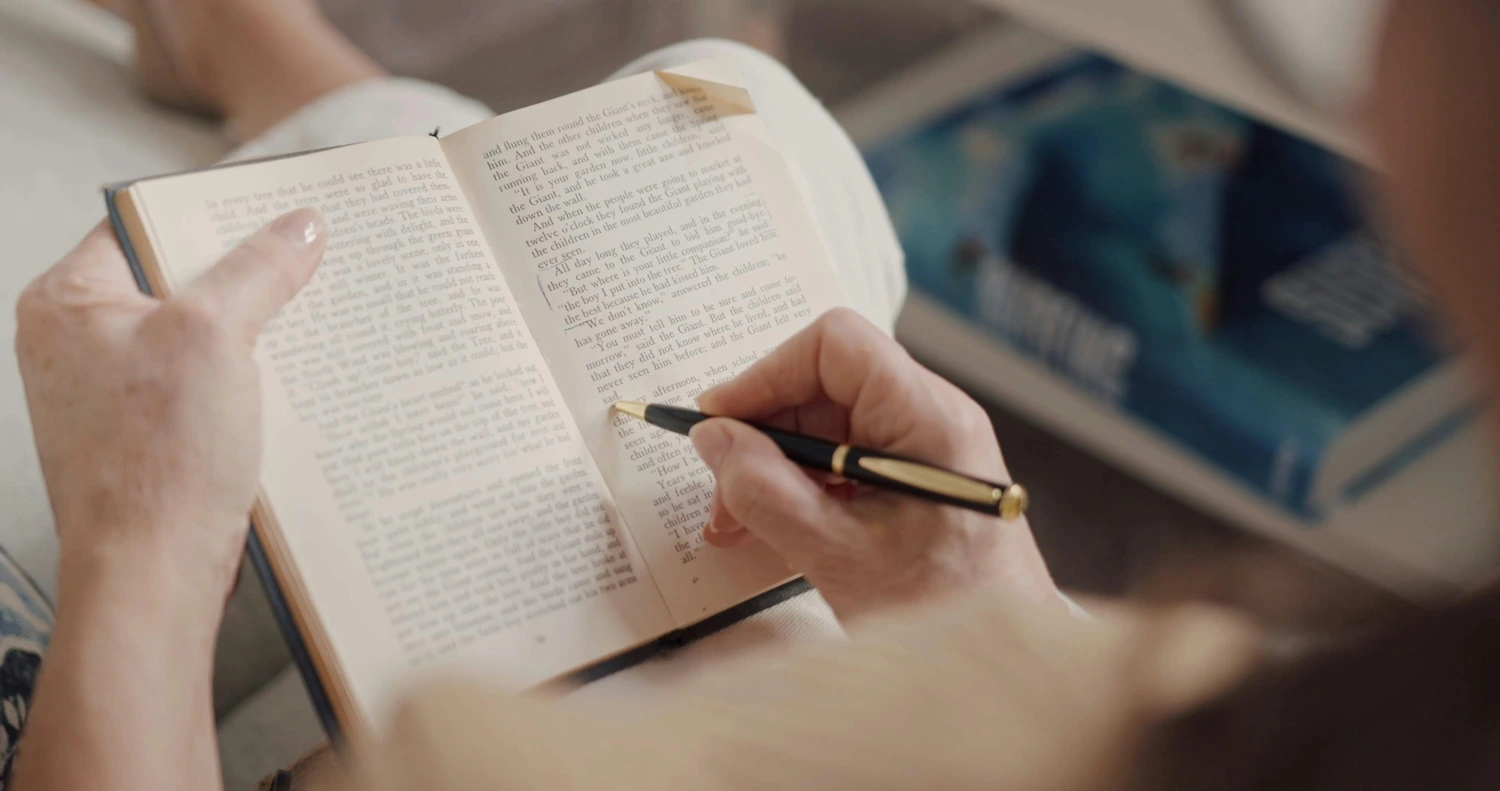
Writing early reader books for Australian children is both a creative joy and a responsibility. These books often shape a child’s first relationship with reading, language, and storytelling. To succeed, writers must understand how young Australian readers think, learn, and connect with stories.
Understanding Aussie Early Readers

Early readers (generally ages 5–8) sit at a crucial transition point. They are moving from being read to, toward reading independently. At this stage, stories must balance simplicity with engagement, structure with delight, and learning with fun.
Australian early readers are no different in their love of humor, animals, adventure, and emotional warmth, but they do respond especially well to familiar settings, voices, and cultural cues. Stories that reflect school life, family dynamics, outdoor play, pets, and everyday Aussie experiences help children feel seen and understood. This is where thoughtful content writing becomes essential, as it helps shape clear, age-appropriate narratives that are both engaging and developmentally suitable for young readers.
Parents, teachers, and librarians are also gatekeepers, so clarity, readability, and positive messaging matter just as much as entertainment.
Start With the Early Reader Mindset
Writing for early readers is not about “dumbing down” language; it’s about precision. Every word must earn its place.
Key mindset shifts:
-
You are writing for developing readers, not fluent ones.
-
Short sentences build confidence.
-
Repetition reinforces learning
-
Familiar patterns help comprehension
Early readers want to feel successful. When a child finishes a book on their own, they feel proud, and that feeling is what turns them into lifelong readers.
Keep Language Simple but Never Boring

Early-reader language should be:
-
Clear
-
Concrete
-
Active
Use short sentences and straightforward vocabulary, but don’t shy away from personality. Humor, rhythm, and gentle surprises keep young readers engaged.
Dialogue works especially well at this level. It breaks up text visually and mirrors how children naturally process language. Just make sure it sounds natural and age-appropriate.
If you want to strengthen this balance between clarity and engagement, it helps to understand the fundamentals of book creation. Resources like this guide on how to write a book can help writers adapt their skills to different age groups.
Use Familiar Australian Settings and Experiences
Early readers connect most strongly with what they recognize. That doesn’t mean every story needs to be set on a beach or in the bush, but grounding stories in Australian life helps children emotionally connect.
Ideas include:
-
School classrooms and playgrounds
-
Backyards, parks, and local streets
-
Family homes and weekend routines
-
Pets, wildlife, and outdoor adventures
You don’t need to overuse slang, but authentic details like school assemblies, footy training, or summer heat add texture without confusion.
Strong Characters Matter More Than Complex Plots
At this level, character comes before plot.
Early-reader protagonists should:
-
Be close in age to the reader.
-
Face simple, relatable problems.
-
Show curiosity, kindness, or determination.
The story problem should be clear and resolved quickly. Big emotional arcs are unnecessary, but emotional clarity is essential. Children want to understand how a character feels and why.
To deepen emotional resonance without increasing reading difficulty, learning how to build emotional depth is key.
Structure Is Your Secret Weapon

Early-reader books thrive on predictable structure:
-
Clear beginning, middle, and end
-
One main problem
-
One main solution
Chapters (if used) should be short and end with a gentle hook that encourages the child to keep going. Visual breaks, white space, and illustrations all support readability.
Planning your story carefully before writing saves time and prevents confusion later. A strong outline keeps the story tight and child-friendly.
Illustrations Are Part of the Story
In early reader books, illustrations aren’t decoration; they’re storytelling tools. Images:
-
Support comprehension
-
Provide context clues
-
Reduce cognitive load
Writers should leave room for illustrators to work their magic. Avoid over-describing visuals that can be shown in pictures. Trust the collaboration.
Respect the Adult Gatekeepers
While children are the readers, adults are often the buyers. Teachers, parents, and librarians look for:
-
Clear reading levels
-
Positive themes
-
Age-appropriate humor
-
Educational value without preaching
Books that encourage empathy, resilience, and curiosity tend to perform well in schools and libraries.
If you plan to take your book further, understanding how publishing works locally is crucial.
Consistency Builds Reading Confidence

Early readers often follow series. Familiar characters and recurring formats make reading feel safe and enjoyable.
Consider:
-
A recurring main character
-
Similar story lengths
-
Predictable structure across books
Series help children progress naturally and encourage repeat reading something educators love.
Edit Ruthlessly (and Kindly)
Editing early-reader books is about clarity, not complexity. Read your manuscript aloud. If it sounds awkward, it will feel harder to read.
Ask:
-
Can a child decode this word?
-
Is this sentence too long?
-
Does each page move the story forward?
Professional editing tailored to children’s books can make a significant difference in readability and market readiness.
Test With Real Young Readers
Nothing replaces feedback from actual children. Observe where they pause, where they laugh, and where they lose interest.
Teachers and parents can also provide insight into:
-
Reading level accuracy
-
Engagement
-
Age appropriateness
Early feedback helps refine your story before publication.
Building a Long Term Career Writing for Kids

Writing early-reader books can be deeply rewarding, but it’s also a long-term craft. Success comes from:
-
Understanding child development
-
Practicing clarity and restraint
-
Listening to educators and readers
Writers who respect young readers and meet them at their level build trust and loyal audiences.
FAQs
Q1. What age group are early reader books for in Australia?
A. Early readers are usually aged 5–8, covering Foundation to early primary school levels.
Q2. How long should an Aussie early reader book be?
A. Most range from 500 to 2,000 words, depending on reading level and format.
Q3. Should I use Australian slang in early-reader books?
A. Use it sparingly. Familiar expressions are fine, but clarity should always come first.
Q4. Do early reader books need illustrations?
A. Yes. Illustrations are essential for comprehension and engagement at this level.
Q5. Can first time writers succeed with early reader books?
A. Absolutely. Early reader books reward clarity, empathy, and understanding of young readers more than complex writing skills.
Conclusion
Writing Aussie early reader books is about connection, clarity, and care. By respecting young readers’ abilities, reflecting their world, and crafting stories that build confidence, writers can help shape a lifelong love of reading one simple, joyful story at a time.